Many people believe that discomfort during squats is an inevitable part of lower body workouts, but this is a myth. Proper technique can mitigate knee pain and enhance your exercise experience. Similarly, yoga after knee replacement might seem risky, but it’s actually a gentle way to regain strength. Even wrist pain in yoga can be addressed with simple modifications, and shoulder pain during squats can be reduced significantly with the right strategies. Understanding these elements is crucial for a pain-free, effective workout regimen.
While some assume that knee pain or associated discomforts are just a part of any workout, this doesn’t have to be the case. Let’s explore how you can manage and prevent these issues, ensuring that exercises like squats and yoga are both safe and beneficial.
Understanding Knee Pain During Squats
Common Causes of Knee Pain
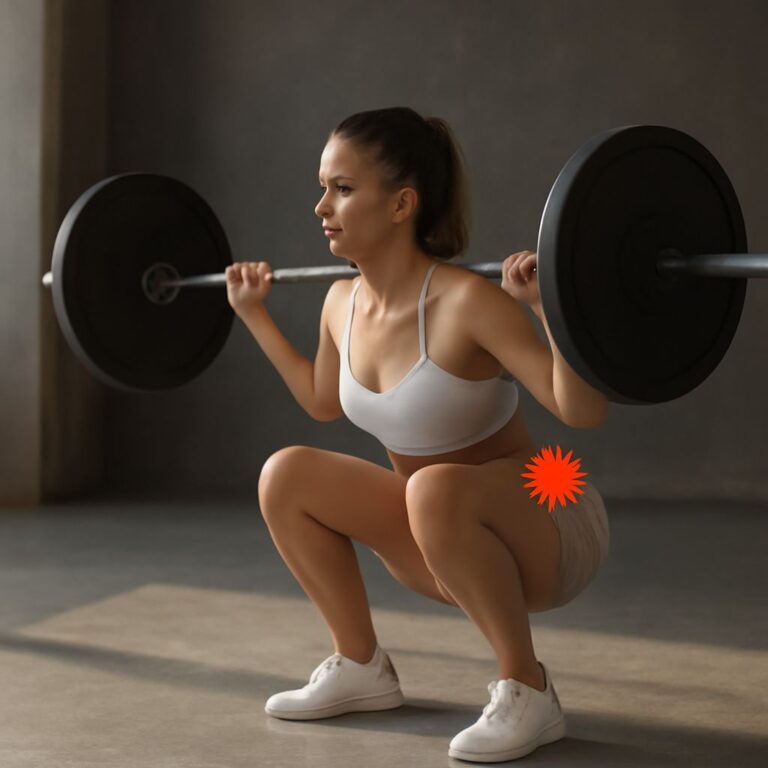
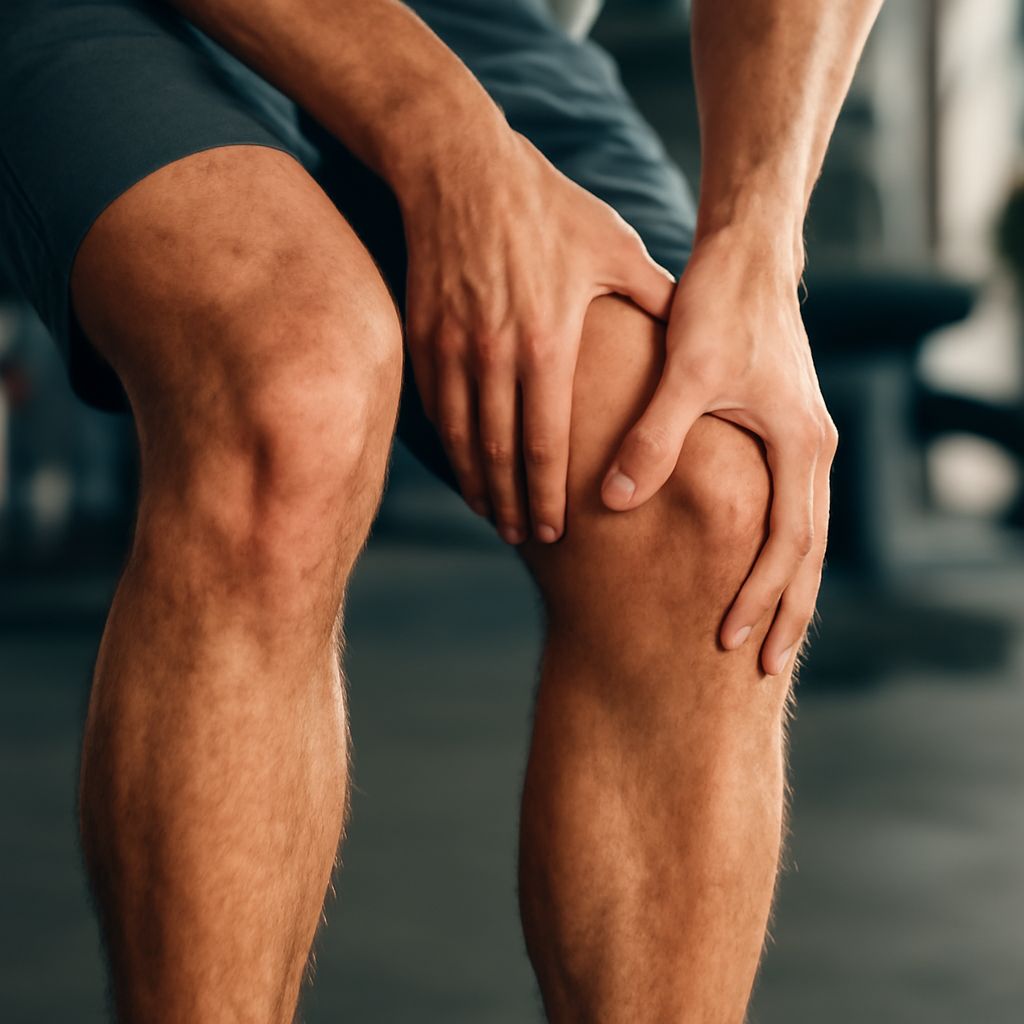
Knee pain during squats is often due to improper form or overloading the joints. Misalignment of the knees over the toes can lead to stress on the joints. Additionally, weak hip muscles may cause excessive inward movement of the knees, increasing strain. Identifying these common causes can help in making necessary adjustments.
Preventing Knee Pain with Proper Technique
To prevent knee pain, focus on aligning your knees with your toes and maintaining a straight back. Engaging your core and glutes can provide additional stability. Gradually increasing weight and ensuring a full range of motion can prevent strain while enhancing your squat performance.
Yoga After Knee Replacement
Benefits of Yoga Post-Surgery
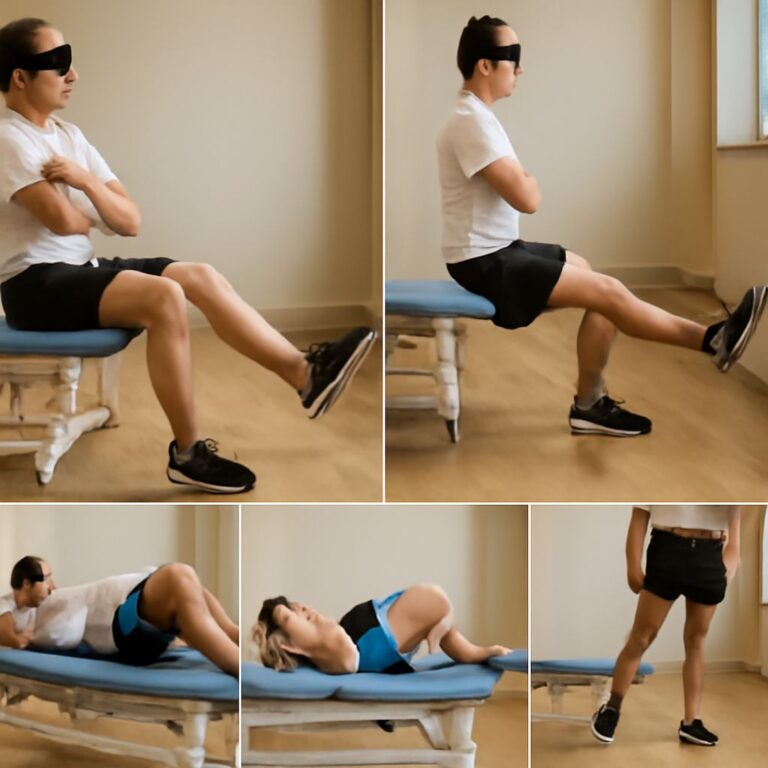
Yoga after knee replacement offers several benefits, including improved flexibility, balance, and muscle strength. Gentle poses can promote blood circulation and aid in the recovery process. Embracing yoga post-surgery is a fantastic way to restore mobility.
Adapting Yoga Poses for Knee Health
For effective adaptation, choose poses that minimize knee pressure. Modifications such as using a chair or blocks can provide support and prevent undue stress. Listen to your body to avoid pushing too hard, especially in early recovery stages.
Managing Wrist Pain in Yoga
Understanding Wrist Pain Causes
Wrist pain in yoga often stems from improper weight distribution or overextension. Placing too much pressure on the wrists during poses can exacerbate discomfort. Understanding these causes is vital for addressing the issue effectively.
Modifications for Wrist-Friendly Yoga
To manage wrist discomfort, try using fists instead of open palms, or grip yoga blocks for additional support. Changing the angle of your hands can also alleviate pressure. Modifying poses allows for a more comfortable practice without losing benefits.
Addressing Deadlift Knee Pain
Proper Deadlift Form to Avoid Pain
In deadlifts, knee pain can arise from incorrect form, such as allowing the knees to drift forward excessively. Proper technique involves hinging at the hips and maintaining a neutral spine. Ensuring a correct posture minimizes knee strain.
Strengthening Exercises for Support
Incorporate exercises that bolster your leg muscles and improve joint stability. Lunges, calf raises, and hamstring curls can strengthen supporting muscles, reducing the likelihood of knee pain during deadlifts.
Handling Shoulder Pain in Squats
Causes of Shoulder Pain
Shoulder pain during squats often results from improper bar positioning or lack of shoulder mobility. This can lead to tension and discomfort. Identifying the underlying causes helps in finding effective solutions.
Techniques to Alleviate Shoulder Pain
Alleviate shoulder pain by adjusting the bar’s position on the back and incorporating shoulder stretches into your routine. Exercises like band pull-aparts can enhance shoulder flexibility and strength, reducing discomfort during squats.
Next Steps: To maintain a pain-free workout, prioritize technique and make necessary adjustments. Regularly incorporate flexibility exercises and strength training into your routine. Consulting with a physical therapist or qualified instructor can provide personalized advice and ensure you are on the right track. Consistency and attention to detail will enhance your fitness journey.