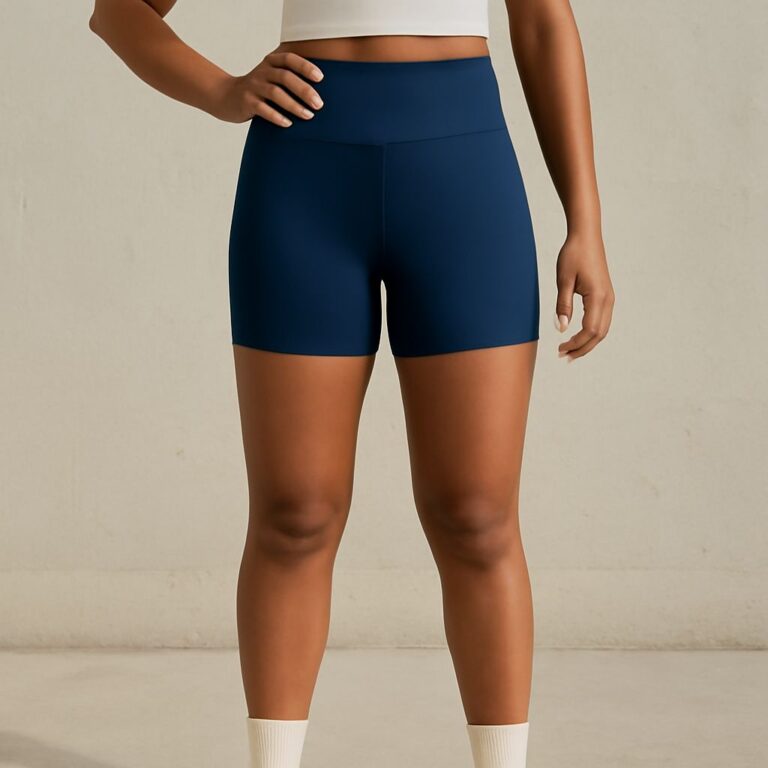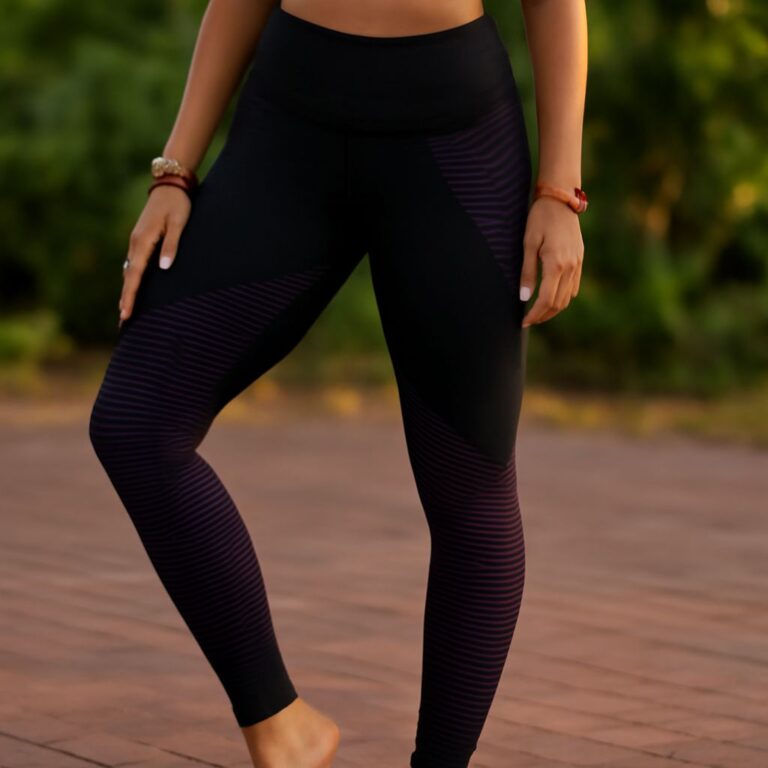
It’s a common myth that any pair of stretchy leggings will work for yoga. Yet, seasoned yogis and newcomers alike quickly discover that yoga pants material is not just about looks or fit—your choice of fabric can completely transform comfort, performance, and even your motivation on the mat. With yoga pants material, the real story is in the details: blends, breathability, and how materials respond to sweat and repeated movement.
Many assume all yoga gear is created equal, but not all fabrics are up for the challenge of downward dogs, deep stretches, and heated flows. Understanding the differences in yoga pants material is essential if you want to avoid uncomfortable distractions, premature wear, and overheating. Let’s unpack what sets top-performing yoga fabrics apart and how to find the best pair for your practice.
Why Yoga Pants Material Matters
The fabric you wear directly impacts how you move and feel throughout your session. A material that allows for flexibility, absorbs moisture, and holds its shape ensures your focus stays on the practice—not on adjusting your clothing. Yoga pants crafted with inappropriate material can lead to chafing, restricted movement, and a loss of support during poses.
Yoga enthusiasts often prefer blends that balance stretch and stability. While heavy cotton may seem comfortable at first, it quickly becomes a burden during intense routines. On the other end, overly synthetic yoga pants materials might trap heat and moisture, leaving you feeling sticky and distracted. Each fabric has unique characteristics influencing breathability, durability, and the overall yoga experience.
Choosing a quality fabric is not just about style; it’s about supporting your performance. Materials specifically designed for athletic wear, such as certain engineered synthetics or high-performance natural fibers, have properties that promote both comfort and longevity. The fabric’s response to repeated bending, stretching, and washing plays a critical role in maintaining fit and feel over time.
For dedicated practitioners, yoga pants material becomes a matter of both confidence and capability. A thoughtfully chosen pair can enhance your practice by wicking sweat, adapting to movement, and providing reliable coverage no matter the pose.
Popular Yoga Pants Materials
Several fabric types stand out in the world of yoga wear, each with their own benefits and trade-offs. Among the most common is a polyester-spandex blend. These yoga pants material choices deliver excellent stretch, allowing for freedom in every pose, while the spandex content adds resilience and a body-hugging fit.
Nylon is another favorite among performance gear. Its smooth texture, quick-drying nature, and resistance to abrasion make it a versatile material for rigorous or hot yoga sessions. Other yogis turn to natural options—bamboo or organic cotton, for example—when breathability and a soft touch take priority, even if these alternatives sometimes offer less compressive support than their synthetic counterparts.
Blends often combine the best traits from several sources. By mixing cotton with spandex, or bamboo with polyester, manufacturers create yoga pants materials that strive to achieve softness, flexibility, and sweat management. Some innovative fabrics even incorporate recycled fibers or moisture-wicking technologies for eco-conscious and high-performance yoga gear.
It’s worth noting that no single material is perfect for every person or practice style. The key is understanding how these options interact with your body and your yoga routine, ensuring your pants both move with you and meet your performance needs.
Key Features to Consider
Evaluating yoga pants goes beyond color and cut. When comparing yoga pants material, start by assessing stretch and recovery. Well-made fabrics should stretch easily in all directions and return to their original shape after movement or washing. Look for terms like “four-way stretch” or “high elasticity” in product descriptions.
Moisture management is also essential. The ideal pants pull sweat away and dry rapidly, preventing discomfort during heated classes. Materials such as moisture-wicking polyester or technical nylon blends excel in this aspect. For yogis who favor organic or natural fabrics, certain bamboo or cotton blends are engineered to dry faster than traditional alternatives.
Durability and opacity are equally important, especially if you enjoy vigorous practices or outdoor yoga. A robust yoga pants material resists pilling, retains color, and prevents see-through issues—often called “squat proof” in yoga communities. Double-check seams and fabric density for clues about long-term wear.
Finally, consider how the fabric feels against your skin. Some people are sensitive to synthetic fibers and may prefer natural or blended fabrics. Others prioritize ultra-lightweight, cooling properties or extra compression for support. Evaluating these features ensures your yoga gear truly works for you.
How to Choose the Right Material
Selecting the perfect yoga pants material means thinking about your typical practice environment and personal preferences. If you attend hot yoga or high-intensity classes, opt for fabrics emphasizing sweat control and cooling. Yogis practicing restorative or slower flows might prioritize comfort and natural feel, choosing cotton blends or bamboo-rich materials when breathability is paramount.
Testing different materials in-store—stretching, bending, and performing a squat—can reveal a lot about comfort, coverage, and recovery. If shopping online, read detailed descriptions and user reviews to understand real-world performance under movement and washing. Keep an eye out for certifications or eco-friendly claims if sustainability is a priority for your yoga gear.
Think about how often you practice. Frequent yogis benefit from more resilient or technical fabrics, while occasional users may be satisfied with simpler blends. Consider your skin sensitivities and style preferences—some materials are softer and more lightweight, while others offer a snugger fit and more support.
Your ideal yoga pants material strikes a balance between functionality, comfort, and style. Taking a mindful approach to selection helps ensure your yoga practice remains distraction-free and enjoyable.
Care Tips for Yoga Pants Material
Proper care extends the life of your yoga pants and keeps the fabric performing at its best. Always check the garment’s label for specific washing instructions. Most high-performance yoga pants material is best washed in cold water on a gentle cycle to protect fibers and maintain stretch.
Skip heavy detergents and fabric softeners, as these can degrade technical fibers or affect the wicking properties. Instead, opt for mild, sports-specific cleaners when possible. Turning pants inside out before washing can also reduce pilling and protect surface textures.
Air drying is the safest method for most yoga materials. High heat from dryers can break down spandex or nylon, weakening elasticity and fit. If you must use a dryer, select a low-heat setting. Regularly inspect seams and fabric surfaces for signs of wear, addressing issues quickly to prevent further damage.
Mindful maintenance not only preserves the quality and appearance of your yoga pants but also ensures ongoing comfort and support through every practice. Investing a little extra care pays off in reliability and performance, keeping your favorite yoga gear ready for every session.