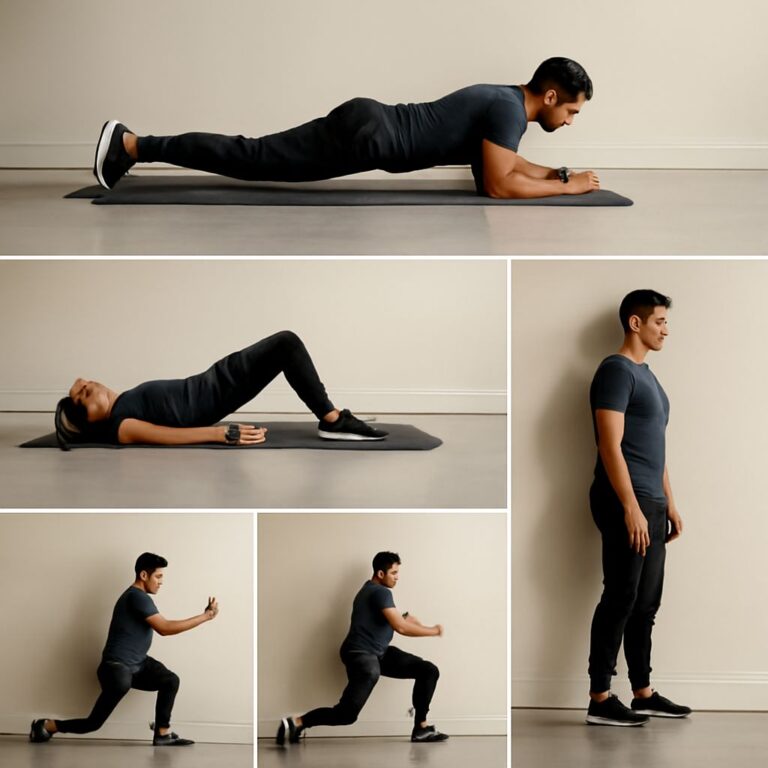
A timed session can be manageable when you know the movements and choose a sustainable pace; the same session can become overwhelming if you rush into unfamiliar skills. A workout of the day, or WOD, gives you a defined set of work to complete. Understanding the format and adjusting it to your ability lets you focus on controlled movement first.
CrossFit sessions for men and women can use the same movement patterns while adjusting repetitions, loads, and exercise variations for the individual. Before starting, identify the purpose of the session, the skills it requires, and how you will measure its finish.
What Does WOD Mean?
WOD stands for workout of the day. In CrossFit, it describes the programmed work for a particular day; it does not refer to one fixed routine. A class may also include a warm-up, skill practice, and a cool-down around that work. Some days emphasize strength, while others combine movements over a set time or distance.
A WOD workout gives you a prescription to read before you begin: movements, repetitions, load if any, time limit, and the intended result. The CrossFit daily workout archive shows how prescriptions and beginner options can differ from day to day.
CrossFit Workouts for Men: How to Read the Board
A published list of CrossFit workouts may include a variety of formats. Read the whole instruction before starting, then ask what counts as one round and how the result is recorded.
- AMRAP: As many rounds or repetitions as possible within a stated time. Complete the listed movements in order, repeat, and stop when time expires. The score is often completed rounds plus any extra repetitions.
- For time: Complete the prescribed work and record the time it takes. A time cap, if listed, is the point at which the session stops even if work remains.
- EMOM: Every minute on the minute. Begin the specified work at the start of each minute; any time left before the next minute is recovery unless the instructions say otherwise.
- Reps and rounds: A rep is one complete movement. A round is one pass through the listed sequence. A prescription of three rounds means repeating that sequence three times.
Some CrossFit workouts for men list a prescribed load, but that number is a reference for the written version, not a requirement for every participant. Select a weight and movement variation that allow you to meet the session’s purpose with control. In CrossFit sessions for male beginners, a coach can explain the intended pace and help each participant choose an appropriate starting point.
Try a Simple Practice Example
The following is an instructional example, not an official named benchmark. After warming up, set a timer for eight minutes and move through:
- Five chair squats: lower toward a stable chair and stand again.
- Five wall push-ups: bend your elbows toward the wall, then press back.
- March in place for 30 seconds at a steady pace.
Repeat the sequence until the timer ends, taking breaks as needed. Count each complete sequence as one round; if time ends after the squats in the next round, record the completed rounds plus five repetitions. Keep the chair against a wall and use a clear, nonslip area. The aim is to keep moving at a pace that permits consistent technique, not to chase a score at any cost.
This daily WOD session practices a squat pattern, an upper-body push, and continuous movement. If eight minutes is too much to maintain control, use five minutes or take planned rests. If a wall push-up is very easy, a stable countertop can provide a more challenging angle. Change one element at a time so you know how the session felt.
Learn the Skills Before Increasing Intensity
Before a WOD training session, practice each movement without a clock. For a squat, find a comfortable depth while keeping your feet grounded. For a push-up variation, maintain a steady body position and choose a surface that lets you press without straining. Learn how to breathe through the effort rather than holding your breath. A coach can watch a few repetitions and suggest a useful adjustment.
Scaling means changing an element of the workout to fit the person while preserving its purpose. Depending on the session, that can mean fewer repetitions, a lighter load, a shorter duration, or a substitute movement. For example, CrossFit’s published options include beginner variations with fewer repetitions or different movements. Record what you changed so that you can compare a later attempt fairly.
When reviewing a selection of CrossFit workouts, check whether each one calls for unfamiliar movements or equipment. A complex lift may need separate instruction before it belongs in a timed session. Stop for sharp pain, and seek appropriate guidance if it persists.
Should You Do a WOD Every Day?
No. Start with a schedule that leaves recovery between demanding sessions, and notice whether you can return with good movement and normal energy. A workout scheduled for the day can be adapted, shortened, or replaced with rest when that better fits your current routine.