How can exercise make carrying groceries or getting out of a chair feel more manageable? Practice the movements those tasks require, then make them gradually more challenging. A functional fitness workout can combine bending, pushing, pulling, and carrying so that strength and control develop across several familiar actions.
Exercises for functional training can be adapted to your current ability. The session below uses a chair, a light weight, and a resistance band; it gives you a way to practice each pattern and adjust the difficulty without needing a gym.
Functional Training Exercises and Daily Tasks
Functional training exercises connect practice to a task that matters to you. A chair squat resembles sitting down and standing up; a carry gives you practice holding a load while walking. The exercise and the daily task are not identical, but the movement, strength, and balance you practice can support your ability to perform the task.
The connection also helps you choose an appropriate challenge. If a grocery bag feels awkward, begin with a light object and a short, clear walking path. If standing from a low seat is difficult, use a higher chair until you can move with control. Functional fitness workouts can use simple equipment: what matters is matching the movement and effort to your goal.
Set Up Your Session
Choose a firm chair that will not slide, a light dumbbell or securely closed water container, and a band in good condition. Clear a walking path and wear shoes that give you stable footing. Start with three to five minutes of easy walking or marching in place.
Complete the five functional exercises below in order. Begin with one set of 6 to 10 controlled repetitions per exercise, except for the carry, which uses distance. A repetition is one complete movement; a set is a group of repetitions before a rest. Pause between movements until your breathing settles. Choose a level that feels manageable while you learn, and stop an exercise if it causes sharp pain.
Five Movements to Practice
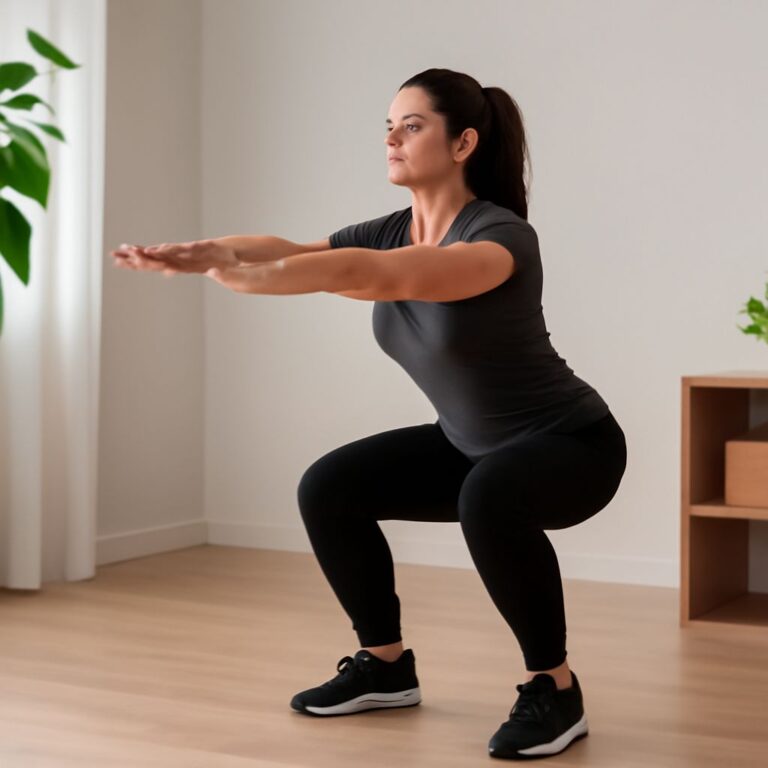
1. Chair squat: getting up from a seat
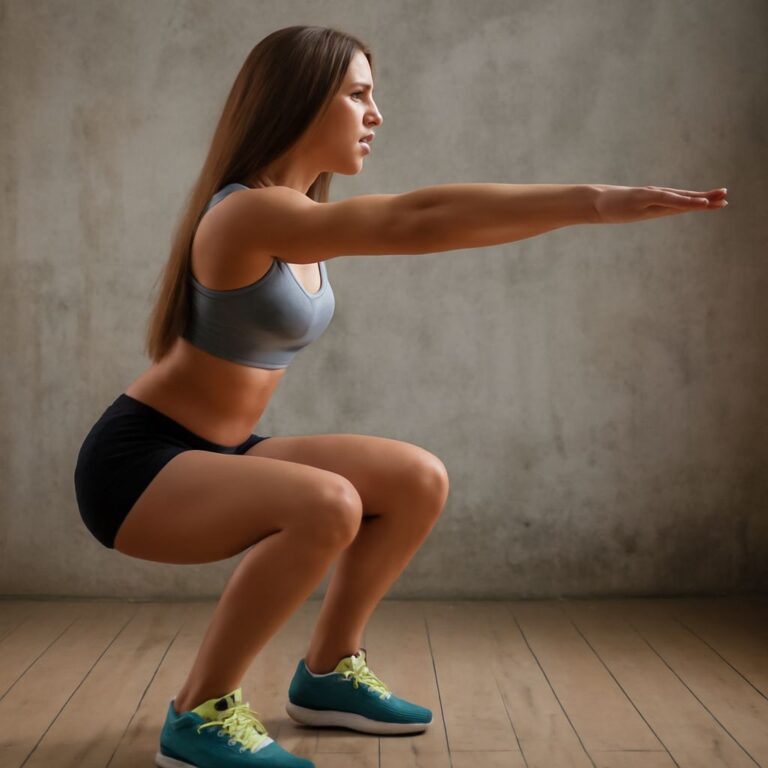
Stand in front of the chair with feet about hip-width apart. Move your hips back and bend your knees, touch the seat lightly or sit down, then press through your feet to stand. Keep the movement controlled and your knees generally in line with your toes.
Use a higher seat or your hands for assistance if needed. To make the movement harder, pause just above the chair before standing. This version practices the leg and hip action used when rising from a chair without requiring the depth of a floor-level squat.
2. Hip hinge: reaching for an object
Stand with your feet hip-width apart and knees slightly bent. Slide your hips backward as your torso leans forward, keeping your back comfortably straight. Stop when you feel tension in the backs of your thighs, then bring your hips forward to stand. Keep the object you are reaching for close to your body when you eventually add a load.
Begin without weight and use a wall behind you as a target for your hips. This pattern resembles reaching down to pick up a bag. If you cannot keep your balance, shorten the range and use a stable support until the movement feels familiar.
3. Carry: moving groceries
Hold a light weight in each hand at your sides. Stand tall and walk 20 to 30 feet along a clear path, then turn carefully and return. Keep the loads close to your sides and breathe normally. Start with empty hands if maintaining your balance takes concentration.
To progress, increase either the distance or the load a little at a time. You can later carry one object at a time and switch hands, keeping your trunk upright rather than leaning toward the weight.
4. Wall push: moving something away
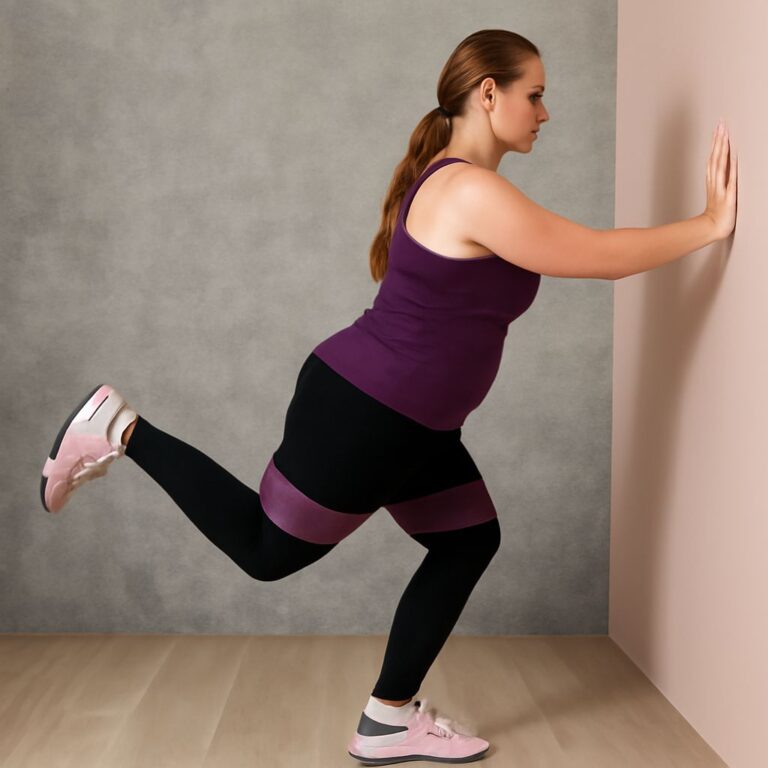
Place your palms against a wall at chest height and step back slightly. Bend your elbows to bring your chest toward the wall, then press back to the starting position. Keep your body aligned and your feet planted. This prepares the pushing pattern used to move a door or cart.
Stand closer to the wall for an easier version; step farther back for more challenge. The wall must be stable, and your hands should not slip.
5. Band row: pulling an object closer
Sit tall with legs comfortably extended and loop a band around your feet. Hold an end in each hand, pull your elbows toward your sides, and slowly return your hands forward. The movement resembles drawing an object toward you and trains the muscles of the back and arms.
Use a lighter band or reduce its stretch if the pull makes you shrug or lean back. Check that the band is secure around your feet before each set.
Adjust the Work to Your Week
A functional training workout should leave you able to repeat each movement with control. When the chosen repetitions become comfortable, add a few repetitions or a small amount of resistance. Change one thing at a time, and rest between demanding sessions so the muscles can recover.
You can use functional training workouts alongside walking or other activities you enjoy. The CDC recommends muscle-strengthening activity on at least two days a week, covering all major muscle groups. Adapt the schedule to your starting point and build toward regular practice.
For your next functional strength workout, choose one everyday task you want to make easier. Set a stable chair in a clear space now and practice five controlled sit-to-stands; note whether you need a higher seat or hand support for your next session.