A useful workout can fit into a busy day when you decide what matters most and give that work enough attention. The right length for your training session depends on its purpose: a short walk, a strength session with rest between sets, and preparation for an endurance event each place different demands on the clock.
When deciding how much time workouts should take, include the warm-up, transitions, and recovery between efforts. A longer session can accommodate more work, but adding minutes is worthwhile only when you have a reason for them and can recover before your next session.
How long should workouts be for different goals?
There is no single duration that suits every person or activity. How long should workouts be when your schedule changes? Match the session to the time available and the task you want to accomplish. The following examples are planning options, not requirements.
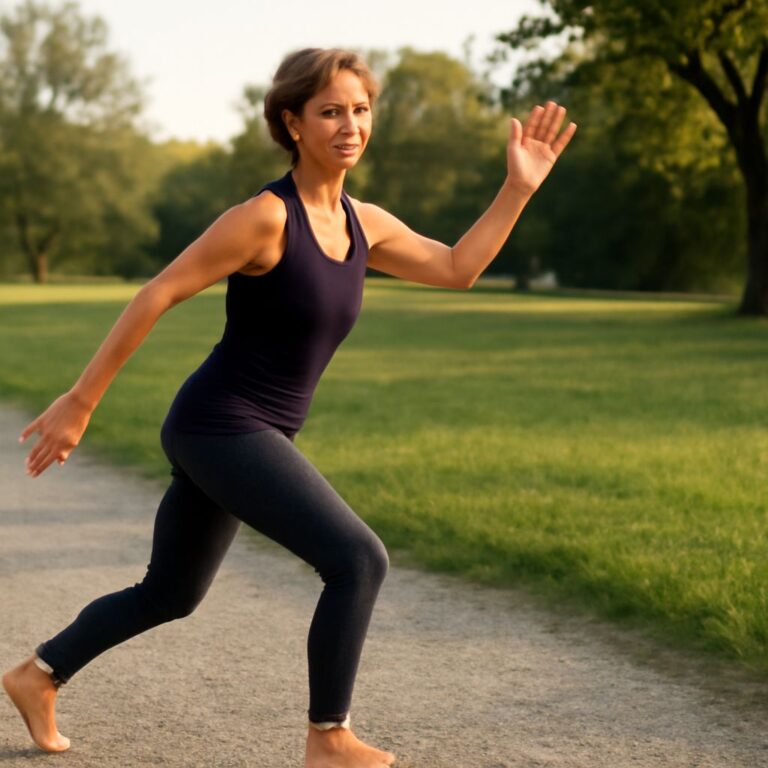
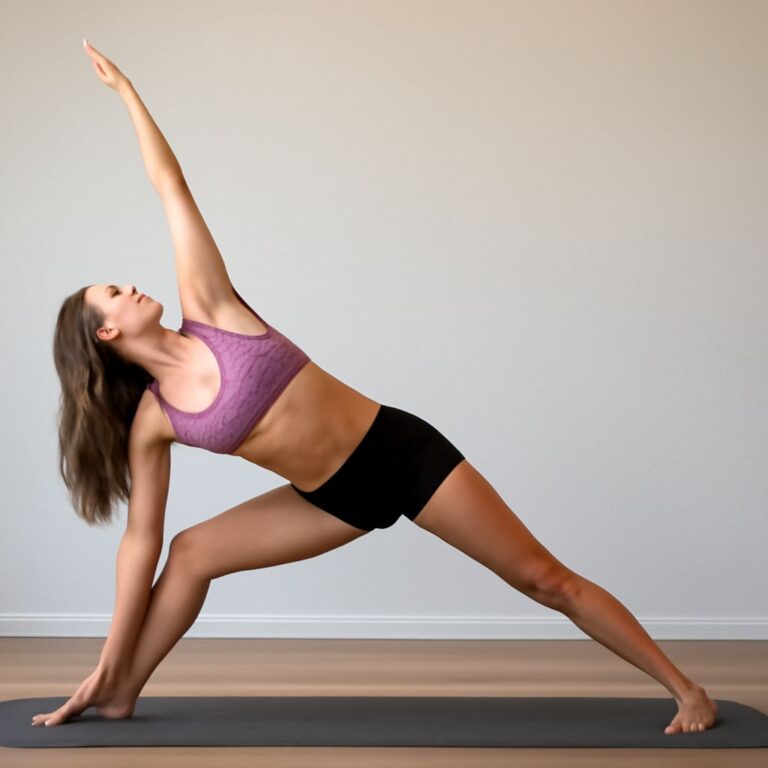
- Ten to 20 minutes: a brisk walk, a short mobility session, or a few strength movements can fit into a small opening in the day. Choose a focused task and allow time to begin at an easy pace.
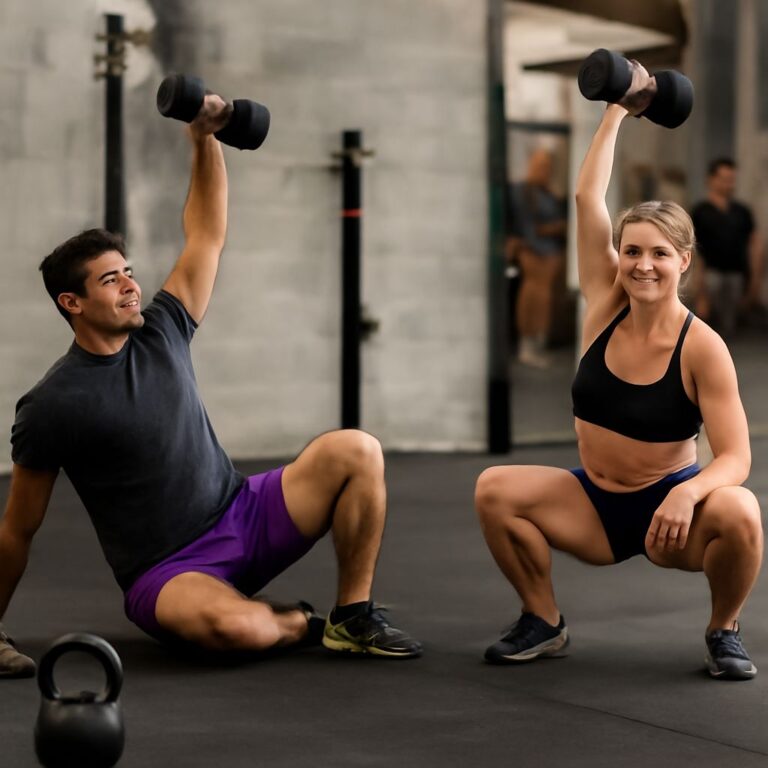
- About 30 to 45 minutes: there is room for a warm-up and a moderate cardio session, or a strength session with several exercises and rest between sets.
- An hour or more: a longer endurance outing, a full strength session with more sets, or a sport practice with technical work and breaks may need this much time.
How long should a workout be if you are just establishing a routine? Start with a duration you can repeat comfortably, then add time gradually as your schedule and recovery allow. Finishing with a clear sense of what you accomplished is more useful than filling an arbitrary slot.
Count the whole session
A workout includes more than the time spent lifting or moving at your target pace. A brief warm-up helps you transition into the activity: for example, walk easily before a brisk walk or use lighter weights before your first working set. At the end, allow a few minutes to slow down and put equipment away.
Rest also changes the total. Three sets of an exercise may take only a few minutes of actual lifting, but pauses between sets, changing weights, and moving to another station add time. Longer rest can help you perform demanding sets with control. Shortening every break may make a session fit the clock while changing the quality of the work.
How long should a workout last when the gym is crowded? Leave a little room for transitions or choose a backup exercise that uses available equipment. If you have only 30 minutes, select two or three movements in advance and keep the plan simple rather than spending half the session waiting for one machine.
Fit duration to the kind of work
For strength training, select movements that cover your priorities and schedule enough rest to repeat them with good technique. A short session might include a squat variation, a push, and a pull. With more time, you could add another set, a hip hinge, or a movement for a specific goal. The number of exercises matters less than being able to perform and progress the ones you choose.
For cardio, your available time and intended effort work together. A comfortable walk can last longer than a demanding interval session; a brief, brisk outing can still fit meaningfully into your week. The CDC advises adults to aim for at least 150 minutes of moderate-intensity aerobic activity per week and muscle-strengthening activity on at least two days. Activity can be spread across the week, so a single session does not need to contain the whole target. Individual needs and starting points vary.
If you are training for a particular event, some sessions may need to be longer to practice the demands of that event. Balance those outings with easier days and time for the rest of your life. A longer workout is a tool for a specific purpose, not a measure of commitment on its own.
Decide what to keep when time is short
Ask yourself, “How long should my workout be today?” Then choose the main task before choosing the number of minutes. If you have 15 minutes for strength, warm up briefly and focus on one or two movements you know. If you have 15 minutes for cardio, start easily, spend most of the remaining time at a suitable pace, and slow down before finishing.
You can also split activity across the day when that suits your schedule. Two shorter walks may be easier to arrange than one longer outing. For a strength plan, you might train different movements on separate days, while keeping track of the work you complete over the week.
How long should your workout be when you feel unusually tired? Consider a shorter or easier session, or take a rest day. Persistent fatigue, pain, or a decline in performance can be a sign to reassess the workload; seek professional advice when symptoms persist or concern you.
Choose a duration you can protect in your calendar, then check whether it accommodates your warm-up, main work, and necessary rest. If it does not, reduce the number of exercises or divide the plan across days. If you consistently finish with time and energy to spare, add a small amount of work that serves your goal.