Many believe yoga is simply a relaxation exercise, focusing primarily on deep breathing and sitting still. However, Bow Pose Yoga challenges this misconception by offering a dynamic way to build strength and flexibility. This asana, known in Sanskrit as Dhanurasana, is not just about flexibility but involves engaging various muscle groups for enhanced strength and balance.
Bow Pose Yoga, or Dhanurasana, requires a concerted effort from the practitioner, targeting the back, chest, and shoulders. As you learn techniques for Bow Pose Yoga, you’ll discover its potential to transform both body and mind, integrating strength, flexibility, and focus into your daily practice.
Understanding Bow Pose Yoga
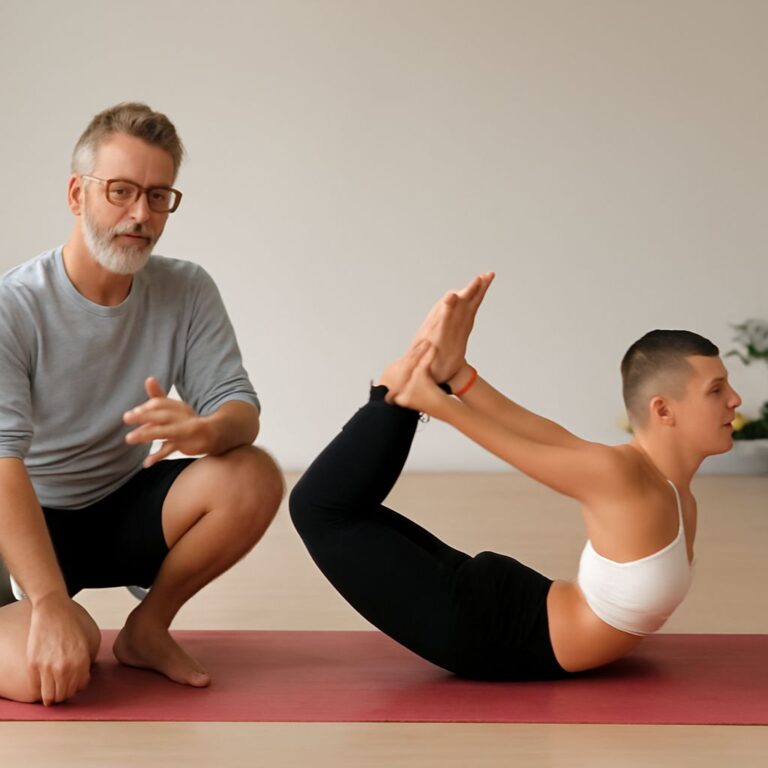
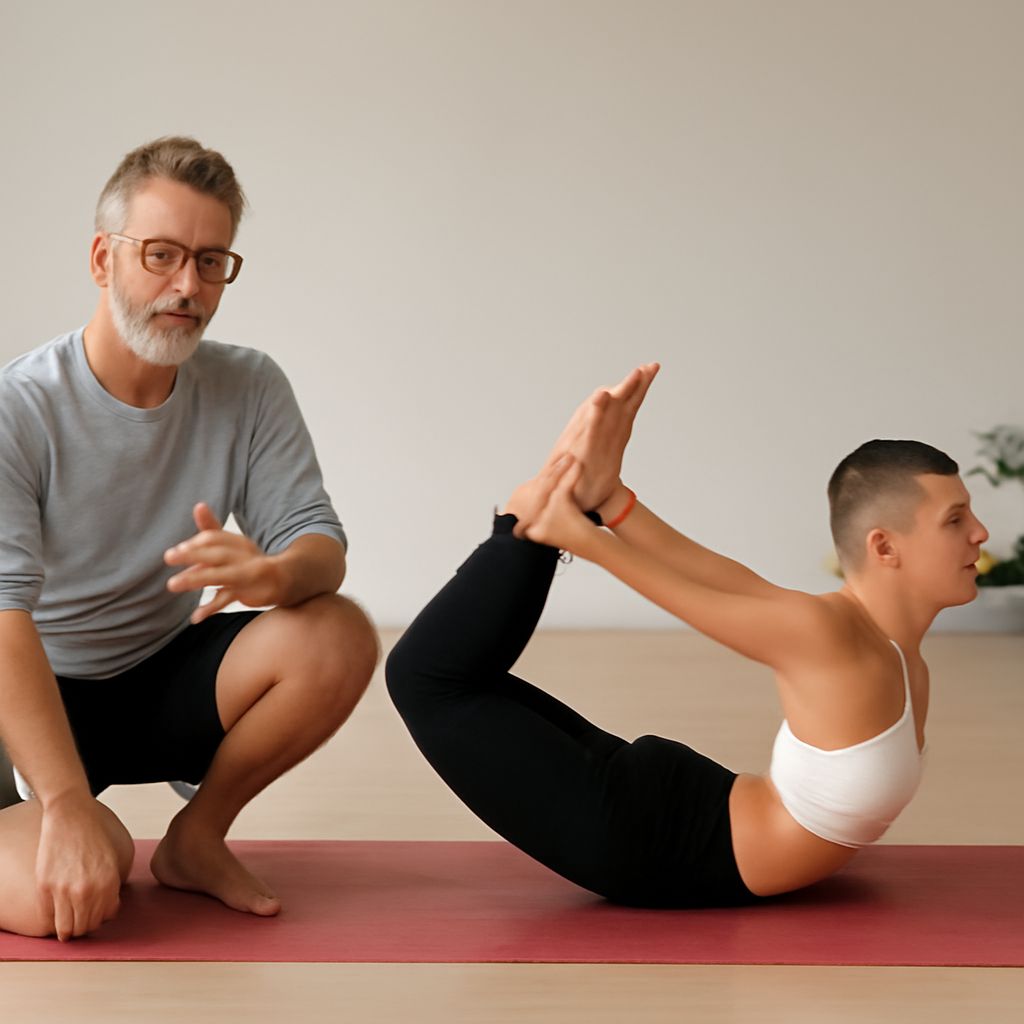
Bow Pose Yoga, or Dhanurasana, is a foundational backbend pose that resembles an archer’s bow when performed correctly. In this position, your body forms a graceful curve, with your arms pulling your legs back, creating tension much like a bowstring. This posture requires coordination and balance, engaging the core muscles and improving spinal flexibility.
Performing Bow Pose Yoga involves lying on your stomach, bending your knees, and reaching back with your arms to grasp your ankles. As you inhale, lift your heels away from your buttocks and simultaneously raise your head and chest off the floor. This motion creates the iconic bow shape, stretching the spine and strengthening the back muscles.
Benefits and Techniques for Bow Pose
The benefits of practicing Bow Pose Yoga extend beyond physical flexibility. Regular practice can enhance your posture, alleviate back pain, and boost circulation. For those who sit for extended periods, incorporating Dhanurasana into your routine can counteract the negative effects of prolonged sitting, such as tight hip flexors and weak back muscles.
To safely perform Bow Pose Yoga, attention to technique is crucial. Start by warming up with gentle stretches to prepare your body. Focus on maintaining a steady breath throughout the pose to support balance and concentration. If you’re new to Dhanurasana, consider using a yoga strap around your ankles to gradually build flexibility and strength.
Additionally, varying your approach to Bow Pose Yoga by incorporating props or modifying the depth of the bow can help accommodate different skill levels. Engaging in preparatory poses such as Cobra or Locust can also ease the transition into a full Bow Pose, ensuring that your body is suitably prepared.
As you advance, experimenting with subtle changes in technique, such as deepening the arch or adjusting the angle of your arms, can further enhance the benefits of Bow Pose Yoga. This experimentation fosters a deeper connection with your body’s capabilities, promoting self-awareness and mindfulness in your practice.
By integrating these techniques into your yoga routine, Bow Pose Yoga becomes more than just an exercise; it evolves into a holistic practice that nurtures both physical and mental well-being. Through consistent practice, the positive impacts of Dhanurasana on your overall health and vitality will become increasingly apparent.