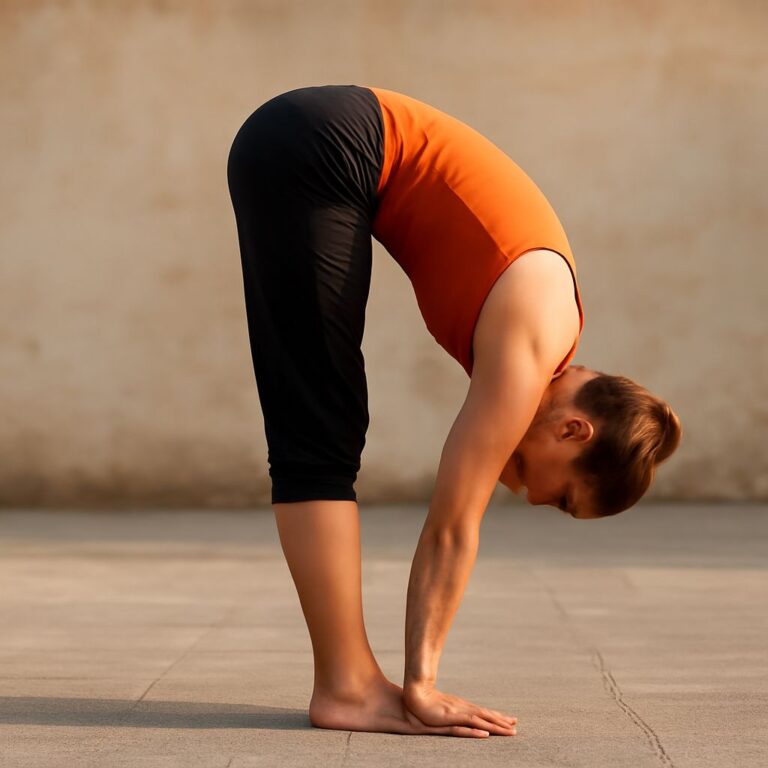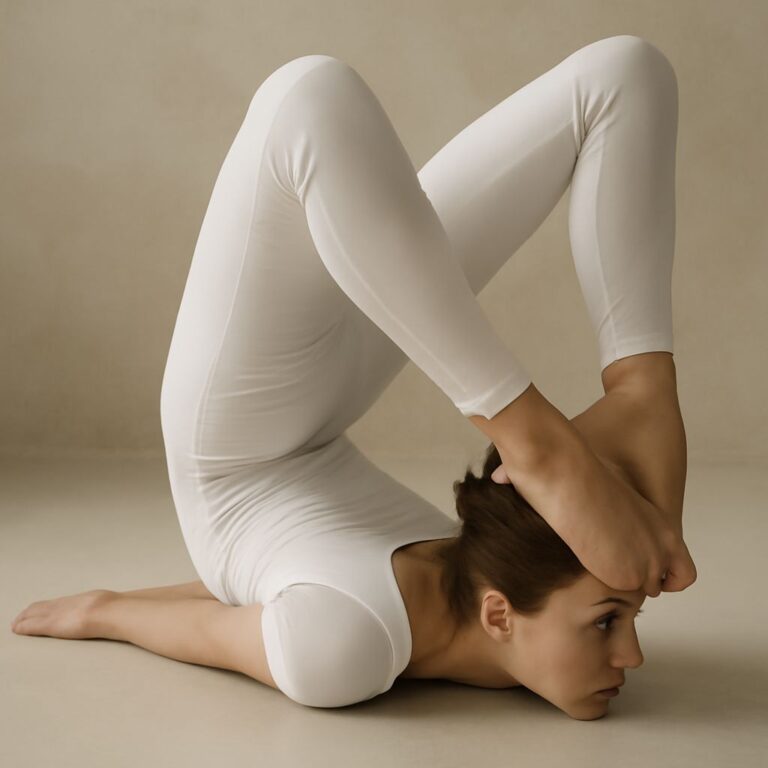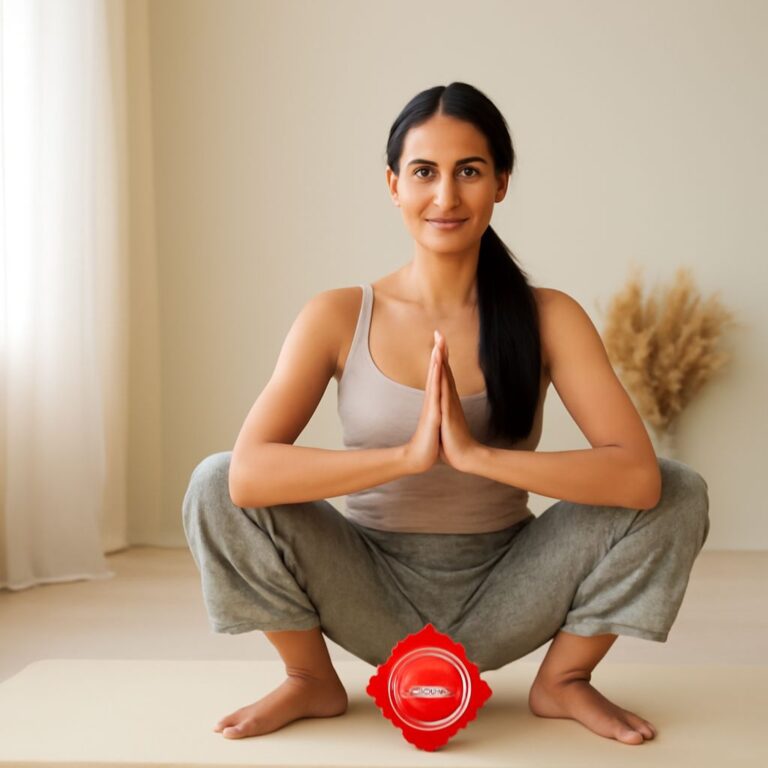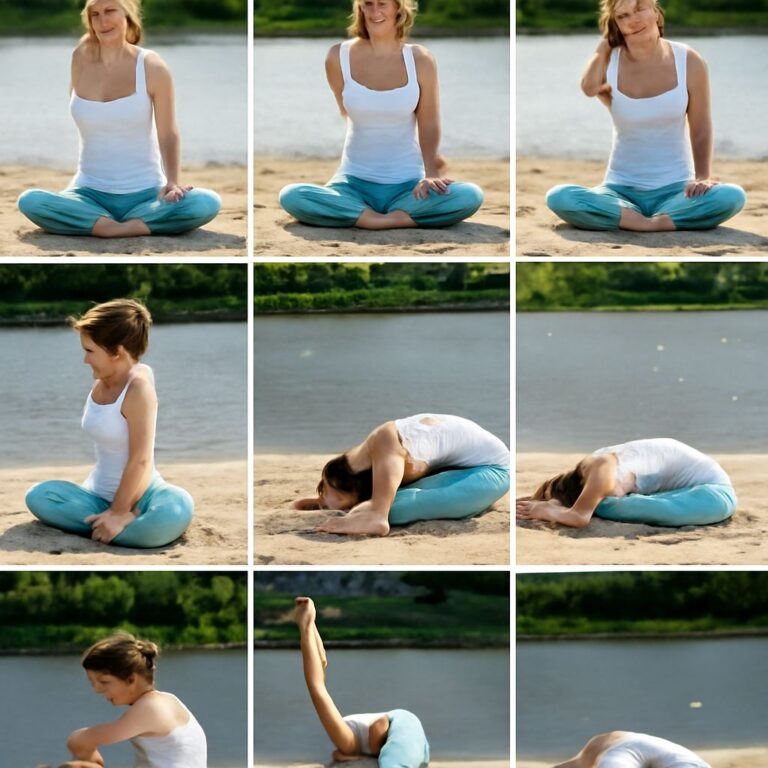
Think advanced arm balances are reserved for seasoned yogis or acrobats? The fallen angel yoga pose, or Devaduuta Panna Asana, defies this myth. While the posture looks impressive, it is accessible to a wide range of practitioners with patience, proper technique, and mindful progression. Many are surprised to discover that, beyond its dramatic flair, this asana offers deep mental and physical rewards that go well beyond aesthetics.
In the world of yoga, mastering the fallen angel yoga pose can become a transformative journey. Whether you’re seeking to enhance your strength, cultivate inner focus, or simply inject creative play into your yoga practice, exploring this asana opens the door to new challenges and discoveries. Let’s demystify this pose and learn how you, too, can integrate fallen angel into your practice—safely and effectively.
What is Fallen Angel Yoga Pose?
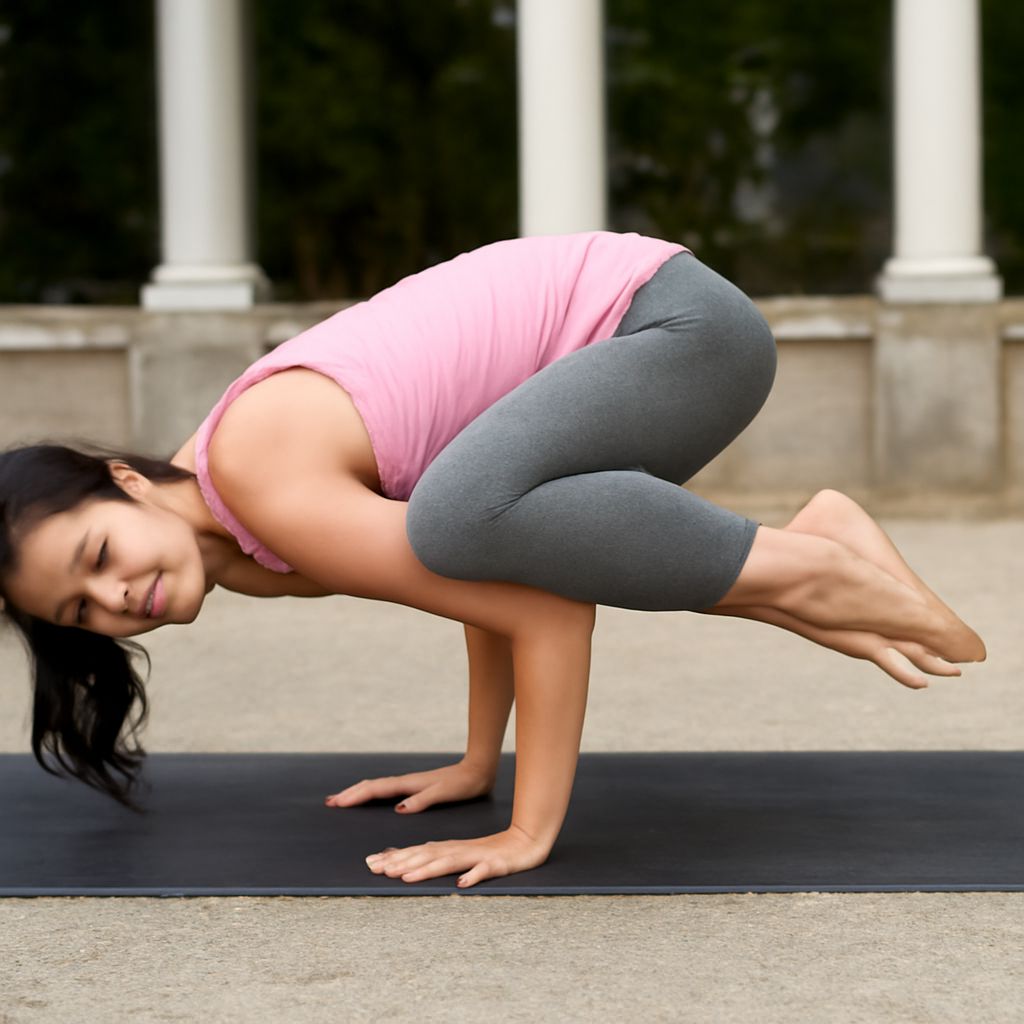
The fallen angel yoga pose is a unique arm balance that fuses strength, flexibility, and poise. Emerging from the side crow (Parsva Bakasana), this asana involves balancing on bent arms while one cheek or temple gently touches the mat and the legs extend upward and out, creating a striking, angelic shape. The result is an asana that looks both grounded and ethereal—a fusion of earth and air, challenge and grace.
Unlike foundational poses like Downward Dog or Warrior II, fallen angel requires combining multiple skills at once: core engagement, shoulder stability, balance, and mindful alignment. Rather than brute force, it’s often the subtle interplay of muscle control, breath awareness, and focus that helps yogis rise (and tip) into the posture.
In Sanskrit, “Devaduuta Panna” means “Fallen Angel,” referencing the pose’s celestial yet grounded nature. By venturing into this pose, practitioners not only experience a test of physical prowess but also a metaphor for navigating challenge with elegance and humility.
Fallen angel yoga pose is not just about spectacle. It’s an opportunity to cultivate new dimensions of your yoga practice, whether you’re working on arm balances, seeking playful exploration, or developing deeper bodily awareness.
How to Do Fallen Angel Yoga Pose
Approaching the fallen angel yoga pose requires both preparation and mindful technique. Begin with a thorough warm-up that activates the wrists, shoulders, core, and hips. Poses like plank, side plank, and twisted chair (Parivrtta Utkatasana) are excellent for priming your body for this arm balance.
To enter the pose, first set up in a squat with your knees together, twisting your torso so that one elbow hooks outside your thigh. Plant your hands on the floor shoulder-width apart, fingers spread wide for stability. Shift your weight forward, stacking your arms as you would in a side crow. Once balanced, begin to tip your head toward the mat, allowing the side of your face to softly meet the floor while your legs float upward and away. Focus on gently extending the upper leg diagonally toward the ceiling, using your bottom leg for support and balance.
Breathing steadily is key—inhale as you engage your core and press through your hands, and exhale as you extend the legs and settle into the posture. Keep your gaze soft and steady, choosing a focal point to maintain equilibrium. To exit, gently lower your legs, return your weight to your feet, and rest in child’s pose to release tension in your arms and neck.
Progressing safely involves listening to your body and honoring its limits. Use props or a folded blanket beneath your head for extra support, and don’t hesitate to practice with a wall nearby for confidence as you explore this intricate asana.
Benefits of Fallen Angel Yoga Pose
Practicing fallen angel yoga pose offers a spectrum of physical and mental rewards. On the strength front, the asana cultivates robust arms, shoulders, and core stability. Balancing with one cheek or temple on the ground also engages deep spinal muscles and enhances body awareness, improving overall coordination and control.
Mental focus sharpens as you balance between effort and ease, reinforcing mindfulness and presence. Many find that working with poses like fallen angel inspires confidence, resilience, and a willingness to embrace challenges both on and off the mat.
Beyond the visible benefits, incorporating elements of the fallen angel posture can improve shoulder mobility and hip flexibility. Many practitioners appreciate how arm balances foster a playful, exploratory attitude—a crucial ingredient for sustained growth in any yoga practice.
Repeatedly working on components of this pose, such as twisting, floating the legs, or maintaining core contraction, can also transfer benefits to other advanced postures and everyday movement patterns, strengthening not just muscles, but also self-trust and concentration.
Common Mistakes and Safety Tips
Falling out of the fallen angel yoga pose is a common experience, especially for those new to arm balances. The most frequent misstep is collapsing directly onto the head or neck, which can cause strain. Instead, aim to softly rest the temple or cheek on the ground, distributing weight between your arms and head for a light, supported balance.
Another pitfall is neglecting shoulder engagement. Without strong shoulder activation and elbow alignment, you risk losing stability and potentially injuring yourself. Keep elbows stacked and draw the shoulder blades together for enhanced security.
Rushing into the full pose before mastering preparatory movements—such as side crow, effective core engagement, and gentle twisting—can also lead to frustration or injury. Take your time learning each segment individually before combining them into the full expression.
Always listen to your body’s signals. If you feel any sharp pain or discomfort, back out of the pose and rest. Practice on a cushioned surface or use props to buffer sensitive areas, and consider seeking guidance from an experienced instructor if you’re attempting the pose for the first time.
Modifications and Variations
Fallen angel yoga pose can be tailored to suit a range of bodies and abilities. Beginners often benefit from keeping the bottom leg on the ground, extending only the top leg skyward. This partial version builds confidence and strength while maintaining balance.
Using blankets or yoga blocks beneath your head or hands can provide extra lift and cushioning, making the transition smoother. For those with wrist or shoulder sensitivities, practicing preparatory exercises—such as supported side crow, twisting lunges, or gentle arm balances—can lay a solid foundation before progressing further.
As you advance, explore creative variations: play with the angle of your lifted leg, add a bind with the arms, or transition fluidly between side crow and fallen angel. Each adaptation offers a new challenge and helps keep your yoga journey vibrant and evolving.
Remember, modifications aren’t signs of limitation—they’re tools for refining alignment, gaining awareness, and building the skills necessary to fully embody the pose in your own time.
Incorporating Fallen Angel into Your Yoga Practice
Integrating fallen angel yoga pose into your routine can invigorate your practice. Try adding it after a sequence of twists, arm balances, or core-focused postures, when your body is warm and prepared for a challenge.
Combine the pose with mindful breathing techniques, allowing you to stay present and responsive to subtle shifts in balance. Journaling about your experiences with the pose, noting progress and perceived challenges, can enhance your mindset and motivation.
Connect the posture with other asanas, such as side crow or tripod headstand, for an energizing flow. Challenge yourself to explore both right and left sides evenly, cultivating balanced strength and flexibility throughout your body.
Next steps: Approach fallen angel yoga pose as a continuous journey, not a final destination. Begin with preparatory movements, gradually work toward the full pose, and revisit modifications as needed. With regular practice, patience, and attention to form, you’ll discover newfound strength, poise, and joy on the mat.