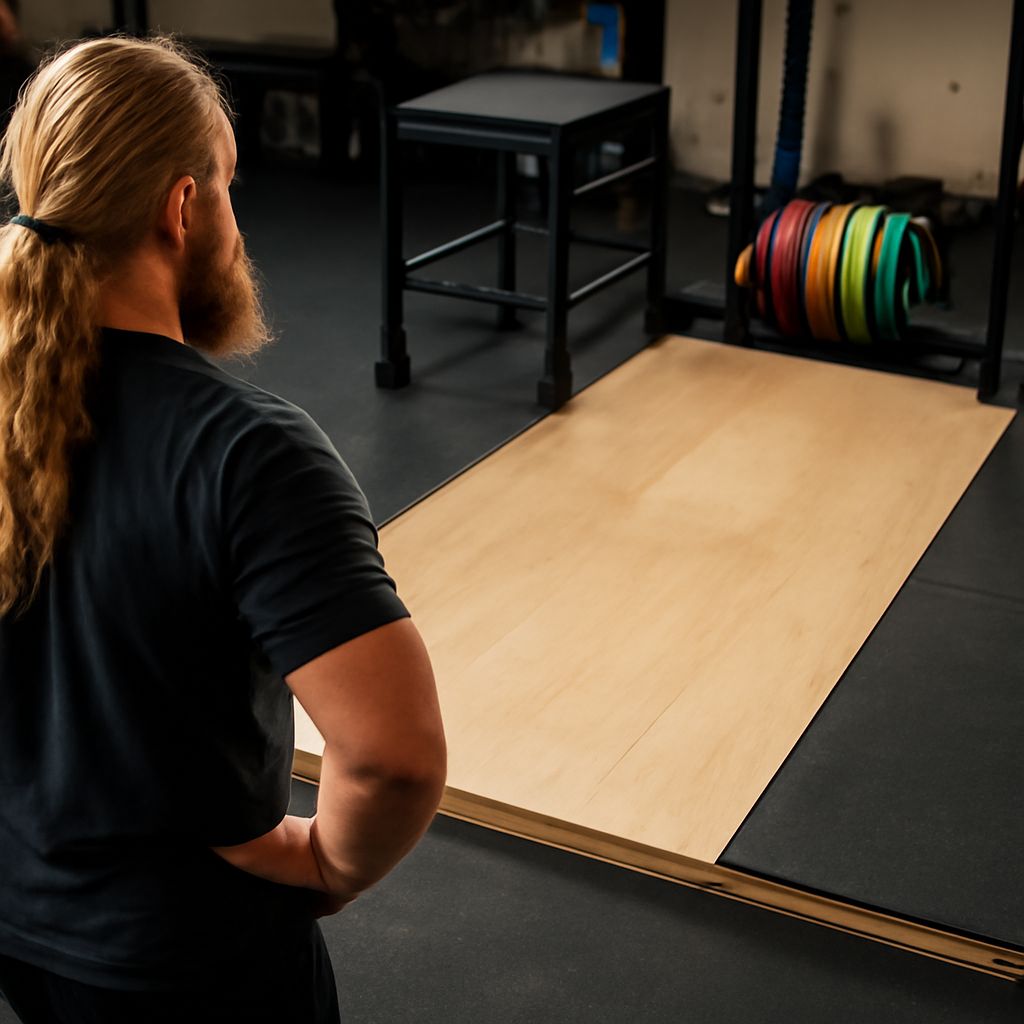
Deadlift platforms are often shrouded in mystery, yet constructing one yourself is not as daunting as it may seem. Many believe that building a deadlift platform, especially a DIY version, is complex and reserved for professional strength trainers. However, the reality is much simpler. With a few essential tools and the right materials, you can easily create your own customized platform.
Misconceptions surround the idea of a DIY deadlift platform being expensive or ineffective. But in truth, building your own deadlift platform can be a cost-effective and efficient way to enhance your strength training setup. Plus, you can even venture into making a DIY yoga bolster or a deadlift jack, further expanding your homemade fitness equipment arsenal.
Why Build a Deadlift Platform?
Benefits of a Deadlift Platform
Constructing a deadlift platform provides numerous advantages. Primarily, it offers a solid and even surface, crucial for performing deadlifts safely and effectively. The platform can protect both your flooring and your equipment from damage, thus prolonging their lifespan. Additionally, the platform grants you the ability to customize dimensions and materials to suit your specific training needs.
Cost Savings of DIY
Opting for a DIY approach can result in significant cost savings. While commercial platforms can be pricey, building one yourself allows you to select budget-friendly materials without compromising on quality. By doing it yourself, you also gain the satisfaction and confidence that comes with creating your own strength training equipment.
Materials Needed for a DIY Deadlift Platform
Essential Tools and Supplies
To build a deadlift platform, you will need several key tools and materials. Essential supplies include plywood sheets, rubber mats, screws, and simple hand tools like a drill and saw. Ensuring you have all necessary items before starting will make the building process smooth and efficient.
Choosing the Right Wood
Selecting the appropriate wood is vital for the stability and durability of your platform. Plywood is often recommended due to its strength and versatility. Depending on your budget and the desired robustness of your platform, you can choose between different grades and thicknesses of plywood.
Step-by-Step Guide: How to Build a Deadlift Platform
Preparing Your Workspace
Begin by preparing a clean, spacious area that will accommodate the size of your platform. Ensuring ample space will facilitate easy movement and assembly. Clear away any potential obstructions or hazards that might interfere with the process.
Assembling the Platform
Start by laying out your plywood sheets to form the foundation of the platform. Use the drill to secure the sheets together, ensuring they are tightly joined. Then, proceed to attach the rubber mats on top, which will provide grip and cushioning during your workouts.
Finishing Touches
Once the primary structure is assembled, inspect your platform for any loose screws or unstable sections and make adjustments as needed. Finally, treat the surface with a protective finish to enhance its durability and resistance to wear and tear.
Additional DIY Projects: Yoga Bolster and Deadlift Jack
DIY Yoga Bolster Instructions
Creating a DIY yoga bolster is a straightforward project that complements your strength training regime. Using sturdy fabric and cushioning materials, you can craft a bolster that suits your personal comfort preferences, enhancing your yoga and recovery sessions.
Making a DIY Deadlift Jack
A DIY deadlift jack aids in loading and unloading heavy weights with ease. By using metal pipes and a bit of ingenuity, you can assemble a practical tool that eliminates the hassle and potential strain associated with adjusting the weights on your barbell.
Maintenance Tips for Your DIY Equipment
Caring for Your Deadlift Platform
Regular maintenance is key to preserving the quality of your deadlift platform. Routine checks for any signs of wear, such as loose screws or splintered wood, will ensure safety and longevity. Cleaning the rubber surface periodically will also maintain its grip and performance.
Preserving Your DIY Yoga Bolster
To keep your DIY yoga bolster in optimal condition, frequently check for tears or damage in the fabric. Washing the cover regularly and replacing the internal cushioning as needed will extend the bolster’s usability and comfort.