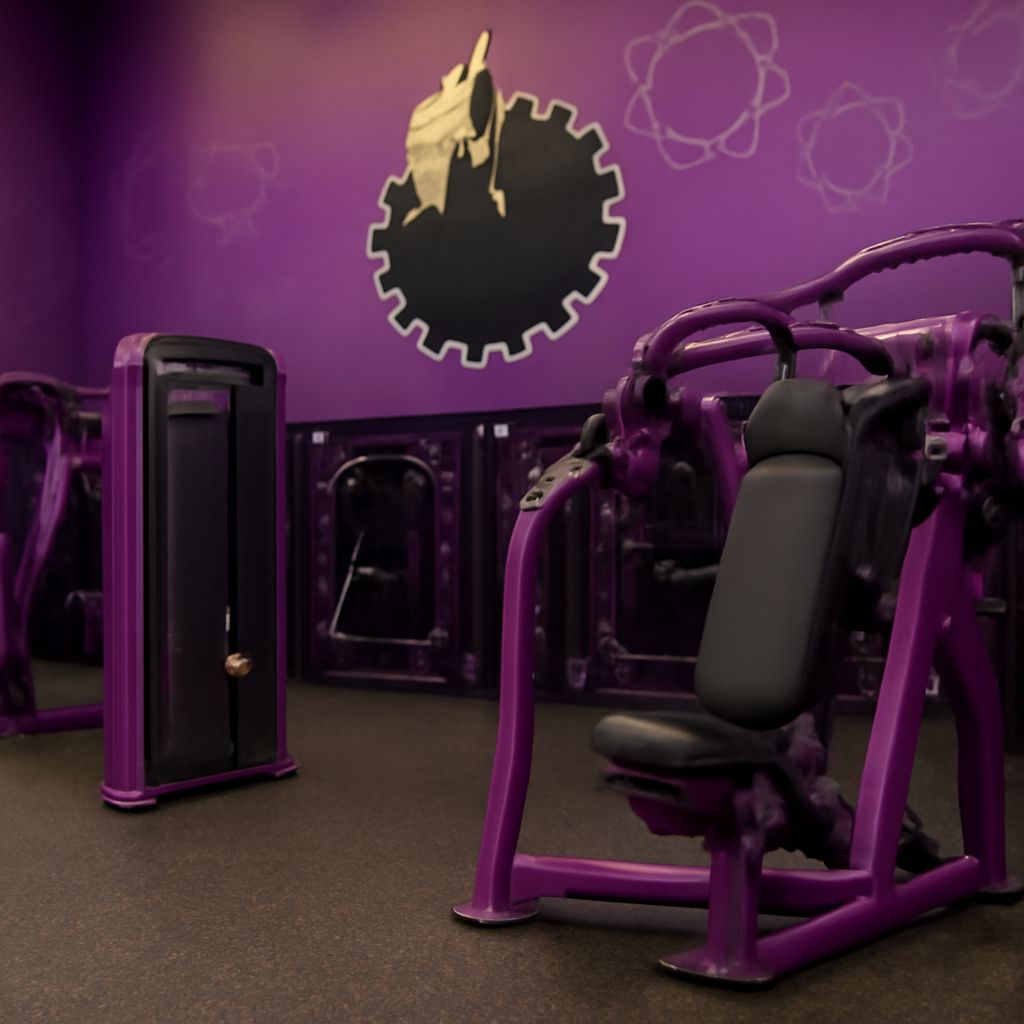
Knowing what a machine does helps you walk into a gym and choose a station with a purpose. Learning the names of workout machines also makes it easier to ask staff for help, read a training plan, and adjust the equipment before you begin.
Names for exercise equipment become more useful when paired with a shape and a movement. A moving belt suggests walking or running; a seat facing a large footplate suggests pushing with your legs. Use those clues alongside the instructions attached to each station.
Exercise Equipment Names: Start With the Movement
Gym equipment generally falls into a few practical groups. Cardio machines support continuous movement such as walking or pedaling. Strength machines provide resistance as you push or pull, often along a guided path. Free weights and bands also provide resistance, but you control more of the path yourself.
The exercise equipment names on signs and plans can vary slightly between gyms. Look at the handles, pads, seat, and direction of movement before starting. A diagram on the frame can show the intended position; a staff member can demonstrate the adjustments if the layout is unfamiliar.
Cardio Stations You Can Identify
These types of exercise machines are usually arranged in rows and have a screen showing time, speed, or resistance:
- Treadmill: A long moving belt sits between two side rails, with controls at the front. You walk or run as the belt moves beneath you. Find the start, speed, stop, and emergency-stop controls before stepping on; begin at a slow walking speed and attach the safety clip if supplied.
- Stationary bike: Pedals, handlebars, and a saddle resemble a bicycle, but the machine stays in place. Adjust the saddle so you can pedal smoothly without fully locking your knee at the bottom of the stroke. Some models have a chair-like seat with a backrest and pedals in front.
- Elliptical: Two large foot platforms travel along an oval path; many models also have moving handles. Stand on the platforms and move your legs in a smooth stride. Start with low resistance and check how to stop before increasing your pace.
- Rowing machine: A sliding seat faces a handle connected to a resistance mechanism, with footrests in front. You push with your legs and then pull the handle toward your torso before returning under control. Secure the foot straps and begin with a light setting while learning the sequence.
Different categories of cardio machines can offer different movement experiences. Choose a station whose movement you can perform comfortably and whose controls you understand, then build time or intensity gradually.
Strength Machines: Seats, Pads, and Cables
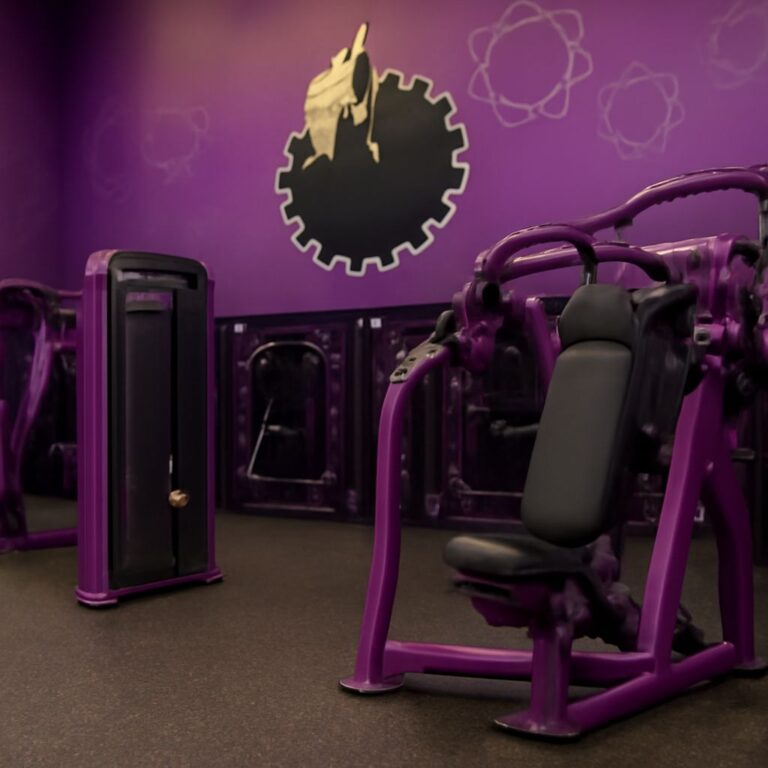
The following workout machine names describe common stations. On a selectorized machine, a pin selects a plate in a stack; insert it fully before moving. Start light enough to learn the path without jerking the handles or lifting your body out of position.
- Leg press: Look for a seat or backrest facing a broad platform. Your feet press against the platform as your knees and hips straighten. Adjust the seat or starting position so you can keep your back supported and move through a comfortable range; avoid forcefully locking your knees.
- Chest press: A seat and backrest face handles that move forward. Adjust the seat so the handles are near mid-chest, plant your feet, and press forward before returning slowly. The American Council on Exercise describes this setup in its illustrated guide.
- Lat pulldown: A long overhead bar hangs above a seat, often with pads to hold your thighs in place. Pull the bar toward your upper chest and return it overhead with control. Adjust the thigh pad and select a load that lets you remain seated without swinging.
- Seated row: Handles or a cable sit in front of a seat. Pull the handles toward your body and let them return slowly as your arms extend. Adjust the seat or foot support so you can sit upright and reach the handles without rounding forward.
Some exercise machine names describe the action, while others describe a body area, such as the latissimus dorsi muscles of the back. When the label is unclear, identify whether the handles move toward you or away from you, then read the station’s diagram before selecting a weight.
Other Equipment on the Gym Floor
Other types of exercise equipment may be stored on racks instead of attached to a frame. Dumbbells are short hand-held weights; kettlebells have a rounded body and a handle. Both can be used for presses, carries, or squats. Choose a weight you can lift and return safely without needing momentum.
Resistance bands are elastic loops or strips that become harder to stretch as tension increases. Check for damage and use a secure anchor where one is needed. A weight bench provides a surface for seated or lying exercises; make sure its adjustment is locked before placing your weight on it. A mat provides padding and grip for floor work, rather than resistance.
The names of gym equipment are only the first step. Read the setup instructions, make the adjustments while the station is still, and try a few slow movements with light resistance. If a handle, pin, or moving part seems damaged, leave it unused and tell staff.
Quick Reference
- Identify: Match the station’s shape and label to the movement you intend to do.
- Adjust: Set the seat, pads, footrests, or resistance before starting.
- Test: Find the stop control on cardio equipment; use a light load on strength stations.
- Ask: Request a demonstration when the setup or movement is unclear.