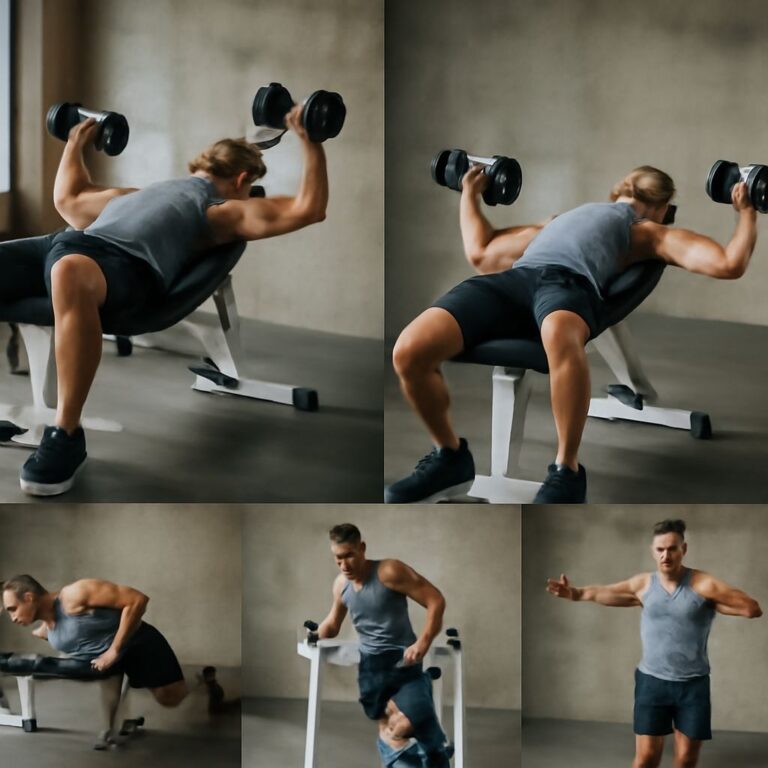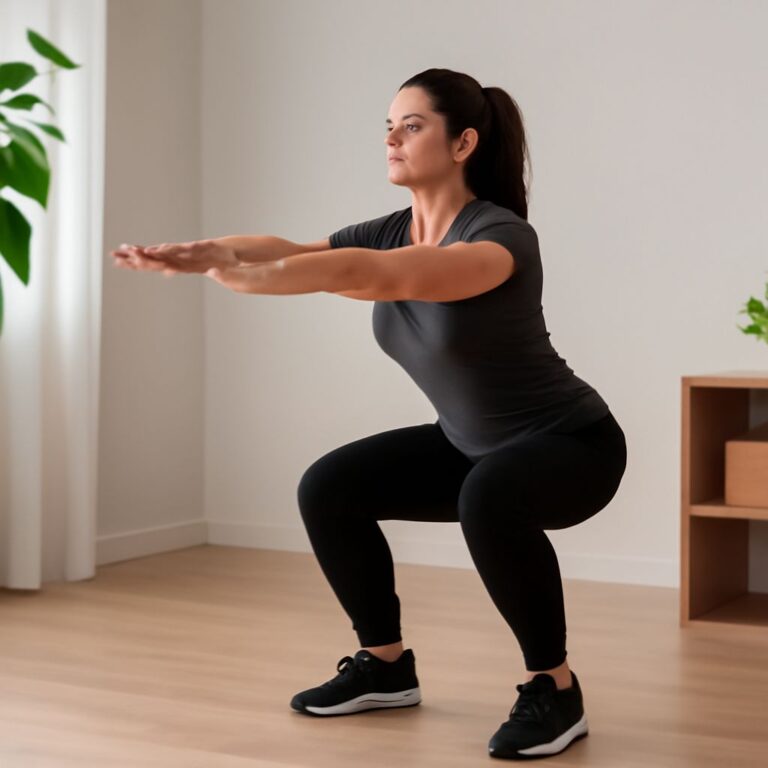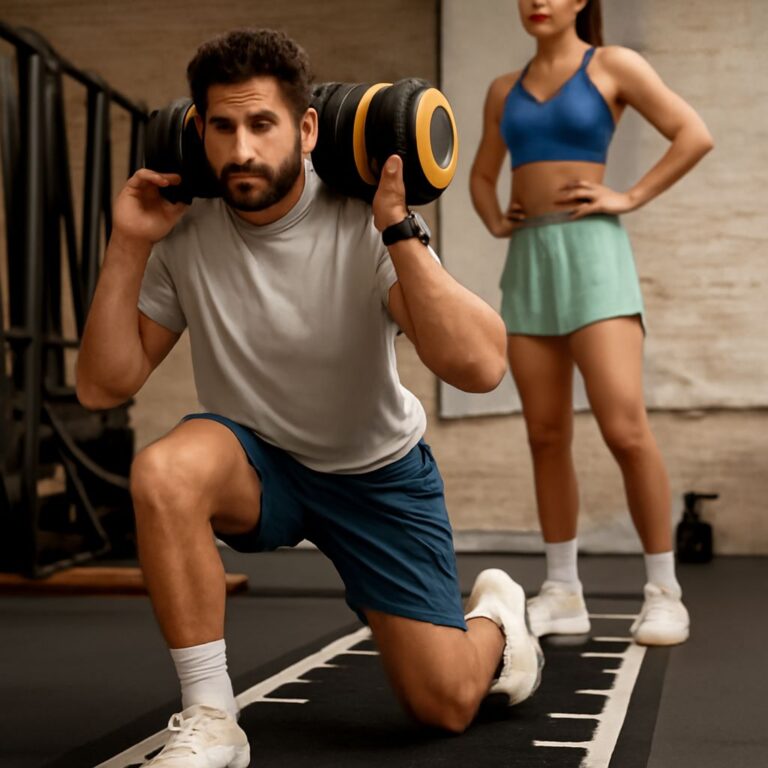
There’s a common fitness myth that strong glutes are only important if you’re an athlete or obsessed with looks. But the reality is glute exercises aren’t just about shaping your backside—they’re foundational for anyone serious about health and functional strength. Whether you call them butt workouts, glute building exercises, or simply the best glute workouts, training this muscle group delivers benefits well beyond appearance.
In this guide, you’ll learn why glute exercises should be a core part of your strength training. We’ll break down the best glute exercise routines, cover diverse glute building exercises, and show you how to get maximum results from your efforts. Get ready to power up your performance—and your confidence—one rep at a time.
Why Glute Exercises Matter
The glutes—comprising the gluteus maximus, medius, and minimus—rank among the body’s largest and most powerful muscles. Their function extends beyond aesthetics; strong glutes help stabilize your pelvis, support your lower back, and drive athletic movements like jumping and sprinting. Many people spend hours on butt workouts hoping for a sculpted look, but the true value of these movements goes far deeper.
Everyday activities, from squatting down to pick something up to standing from a chair, engage your glutes. A lack of targeted glute exercise routines often leads to underdeveloped or inactive muscles, which can trigger compensations elsewhere. For example, weak glutes can contribute to chronic back pain, poor posture, and decreased athletic performance. Prioritizing glute building exercises isn’t just about strength or tone; it’s about supporting your overall mobility and reducing injury risks.
Incorporating glute exercise sessions into your weekly plan supports everything from core stability to hip health. Focusing on the posterior chain through regular glute workouts can improve deadlift and squat numbers, as well as running economy. For those looking to master their fitness foundation, building the glutes leads to more efficient movement patterns and increased everyday power.
Not only do strong glutes enhance your performance in the gym, but they also play a crucial role in general wellbeing. When you dedicate time to developing this muscle group, you’re investing in long-term movement health and resilience. It’s not just about glute isolation; it’s about creating a balanced, powerful body from the ground up.
Best Glute Workouts and Techniques
To build the best glute workouts, variety and intention are key. A solid glute exercise routine starts with compound movements like hip thrusts, deadlifts, and squats. These lifts challenge your glutes while also recruiting supporting muscles, leading to more functional strength. For example, barbell hip thrusts directly target gluteus maximus activation, while sumo deadlifts and Bulgarian split squats engage both the glutes and stabilizing muscles in the hips and legs.
Supplementing heavy lifts with targeted glute building exercises can accelerate your progress. Incorporate unilateral (single-leg) exercises such as step-ups and single-leg glute bridges to address muscle imbalances and improve glute activation. Glute-focused accessory work, like cable kickbacks or mini-band lateral walks, helps you isolate weaker areas and build shape. Even bodyweight routines can deliver results, provided you emphasize proper form and progressive overload.
A well-structured butt workout should blend heavy, low-rep lifts with lighter, higher-rep isolation movements. This combination maximizes both strength and muscle growth. For those doing DIY glute workouts at home, resistance bands and slow eccentric tempos are invaluable tools. Try glute bridges using bands for added resistance, or experiment with elevated lunges to increase hip extension demands. Change up your stance and tempo to challenge the glutes from different angles and promote well-rounded development.
Smart programming makes all the difference. Aim to train your glutes two to three times per week, allowing at least 48 hours between intense sessions for recovery. Vary your rep ranges, adding both heavy sets (4–8 reps) and high-rep burnouts (15–25 reps) to stimulate growth and endurance. Don’t forget to prioritize mind-muscle connection—consciously squeeze the glutes during each rep for optimal results. Consistency, progression, and attention to detail are what separate average glute exercise routines from the truly effective ones.
Safety recap: When performing glute building exercises, always prioritize form to avoid injury. Start with lighter resistance until you master technique, and gradually progress as strength increases. If using weights or bands, double-check your equipment before every workout and always warm up to protect your joints and muscles.