Yoga practice is often misunderstood as simply a method for relaxation or gentle stretching, but that’s only part of the story. Many believe that fit yoga is reserved for ultra-flexible or athletic individuals, dismissing it as inaccessible or ineffective for “real” fitness. These myths can keep beginners and even seasoned exercisers from discovering how powerful and adaptable a yoga practice can be.
At its core, yoga practice offers a comprehensive pathway to wellness—one that moves beyond surface-level flexibility to support strength, balance, endurance, and mental clarity. Fit yoga, in particular, blends traditional postures with dynamic movements, providing a holistic approach that cultivates both physical and mental fitness. Let’s explore what fit yoga really means, and how you can incorporate this transformative yoga practice into your daily life.
What is Fit Yoga?
Fit yoga is not a standalone style but rather a term describing an intentional approach toward combining yoga’s ancient roots with modern fitness principles. Instead of focusing solely on relaxation or meditation, fit yoga integrates strength-building, increased stamina, and flexibility-boosting elements. This approach is suitable for all fitness backgrounds, from those brand-new to yoga practice to athletes seeking complementary benefits.
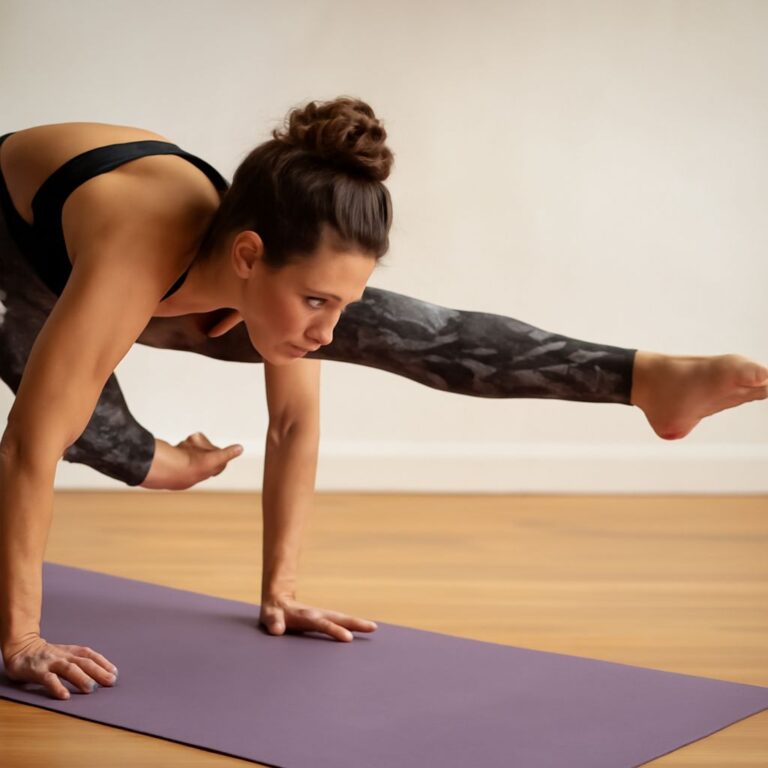
The structure of a fit yoga routine can vary. Some classes emphasize power sequences—such as dynamic vinyasa flows—while others weave strength poses like plank or chair into traditional stretching. This method is about adapting yoga practice to suit your goals, whether that means boosting cardiovascular health, building muscular endurance, or supporting weight management. Through consistent fit yoga sessions, practitioners often see gains in both core strength and mobility, while also experiencing improved body awareness and coordination.
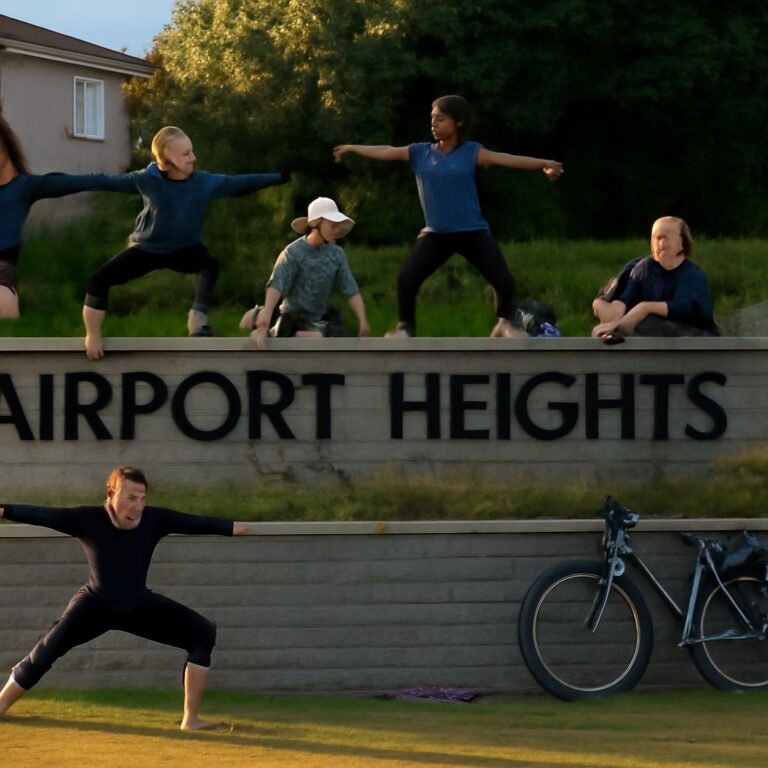
Another hallmark of fit yoga is its commitment to functional movement. Yoga practice, in this context, isn’t isolated from other physical activities. Instead, it is a training ground for movement patterns that translate into daily tasks and athletic pursuits. For example, practising warrior series can enhance lunging mechanics, while balance poses like tree or eagle support joint stability. This synergy between fit yoga and everyday functionality is what makes the discipline especially powerful for long-term wellness.
Crucially, fit yoga never neglects the mindful aspect. While physical intensity may be higher in these yoga practice sessions compared to gentler styles, breathwork (pranayama) and mindful awareness remain central. This blend of exertion and introspection distinguishes fit yoga from standard gym routines, offering a space where body and mind are strengthened together.
Integrating Fit Yoga Into Your Routine
Bringing fit yoga into your wellness plan doesn’t require a radical overhaul. Begin by identifying your current activity level and fitness objectives. Are you seeking to build total-body strength, enhance flexibility, or recover from injury? Yoga practice can be adapted to serve each of these goals—sometimes all within a single session.
To start, experiment with integrating short fit yoga sequences into your weekly schedule. Even fifteen to twenty minutes a day can produce noticeable benefits over time. Focus on poses that challenge your muscles—like boat pose, chaturanga, or side plank—while also including stretches that lengthen tight areas. For those who already have a fitness regimen, yoga practice can be a valuable cross-training tool. Pair a strength-training day with a yoga flow focused on mobility, or unwind after cardio sessions with restorative postures.
For sustained progress, consistency is key. Try varying your fit yoga approach with different class formats or online tutorials—many platforms now offer yoga practice options tailored to all levels and schedules. Don’t shy away from using props, such as blocks or straps, which can help you maintain alignment and deepen stretches. As your practice evolves, explore new challenges by holding poses longer or adding dynamic transitions between asanas. This organic progression keeps yoga practice engaging and supports continuous improvement.
Incorporating mindfulness is essential to the fit yoga journey. Instead of rushing through sequences, prioritize conscious breathing and self-awareness, tuning in to how your body responds. Every yoga practice session is an opportunity to cultivate patience, focus, and acceptance—qualities that extend far beyond the mat. For those managing stress or seeking mental clarity, setting an intention at the start of each fit yoga session can anchor your practice and maximize its holistic benefits.
Finally, remember that fit yoga is an evolving journey rather than a fixed destination. Whether you’re mastering inversions or working through foundational movements, every stage of yoga practice brings valuable insights. Listen to your body’s feedback, celebrate small milestones, and trust in the process. Over time, the cumulative effect of consistent fit yoga will be a more resilient, agile, and centered you—qualities that support not just physical fitness, but a vibrant, balanced life.