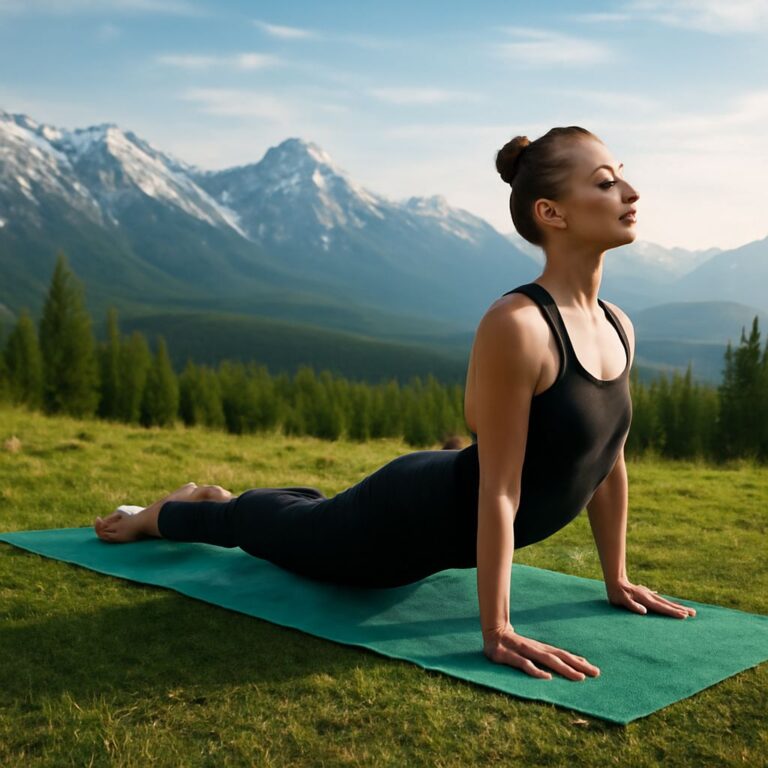
Yoga has long been associated with calm, flexibility, and physical well-being—yet confusion often swirls around lesser-known branches like vin yoga. Some dismiss vin yoga as a minor variant, while others incorrectly blend it with unrelated styles, missing its distinct lineage and approach. In reality, vin yoga stands apart, offering a unique combination of traditional principles and modern adaptations that can transform both the body and mind for practitioners of all levels.
If you’re looking for an authentic yet adaptable practice, vin yoga is far from a fleeting trend. By understanding where vin yoga comes from, how it’s practiced, and the real benefits it delivers, anyone from curious beginners to seasoned yogis can find new depth and inspiration on the mat.
What is Vin Yoga?
At its heart, vin yoga merges time-honored yoga philosophies with intentional, flowing movement. Rather than simply repeating static poses, vin yoga sessions emphasize seamless transitions, mindful breathwork, and a meditative presence throughout the sequence. This style encourages integration—blending strength, flexibility, and awareness, rather than isolating any single aspect of the practice.
In vin yoga, practitioners typically follow a sequence where each posture prepares the body for the next, creating a sense of unity and continuity. The focus on continuous movement, often guided by the breath, marks a clear distinction from other forms that might prioritize holding poses. With each session, individuals are invited to explore their limits gently, fostering both physical resilience and a deeper mind-body connection.
The emphasis on personal rhythm means that vin yoga can be adapted for a wide range of goals and abilities. Whether modifying sequences for accessibility or intensifying the practice for challenge, the core philosophy remains: unity of movement, breath, and intention.
History and Origins
Unlike yoga styles that have appeared only recently, vin yoga traces its roots to ancient traditions while evolving to suit contemporary needs. Drawing inspiration from classical texts and the teachings of early yogic masters, vin yoga embodies principles of fluidity, balance, and adaptability. Over generations, practitioners have refined this style—incorporating elements from related traditions and responding to new understandings of health and movement.
Historical accounts suggest that vin yoga’s foundational techniques were practiced for centuries, initially in small spiritual communities. Over time, these methods spread, adapting and integrating with various cultural interpretations. The movement towards a more dynamic, breath-linked flow became central, distinguishing vin yoga from static or rigid forms that dominated other schools of thought.
This evolution wasn’t just about physical technique. The philosophical framework of vin yoga encourages practitioners to honor both the tradition and their individual journey. Teachers and students alike continue this legacy, balancing respect for the past with openness to innovation in their daily practice.
Core Practices in Vin Yoga
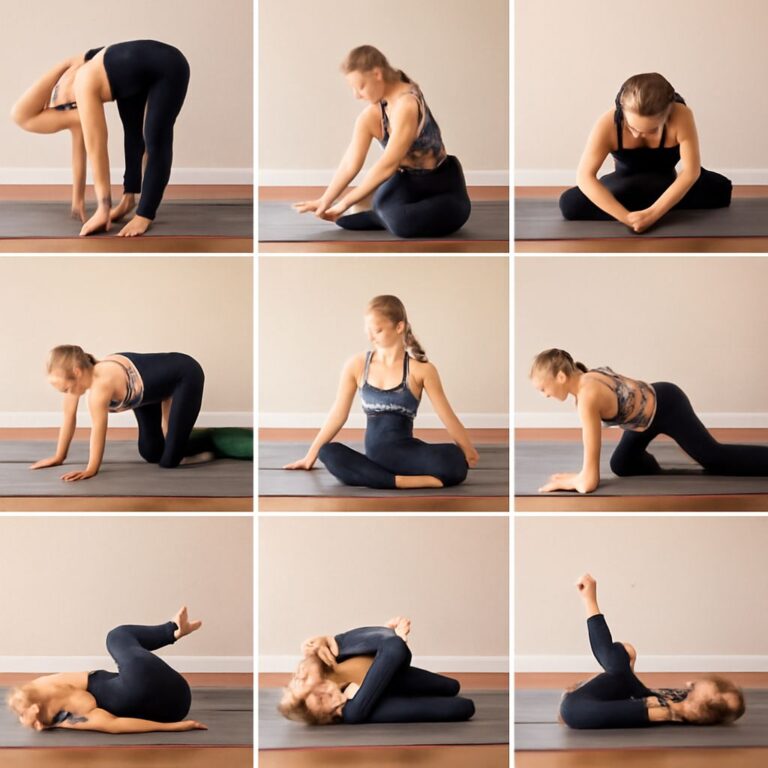
The hallmark of vin yoga is its seamless sequencing, where transitions are as meaningful as the poses themselves. A typical session might begin with grounding breathwork and gentle stretching, gradually building heat with more challenging asanas. Each movement is synchronized with an inhale or exhale, fostering mindfulness and presence in every phase.
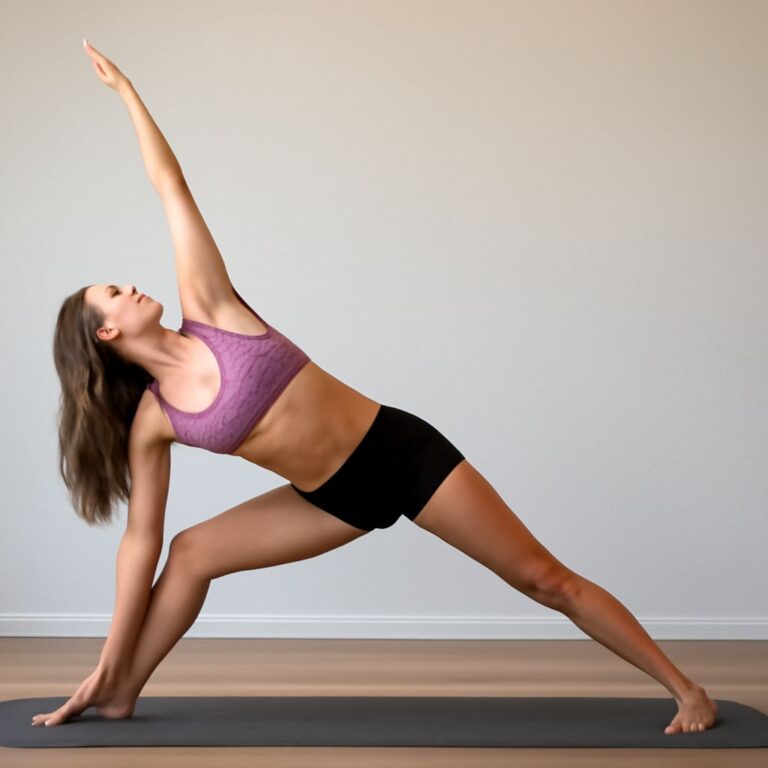
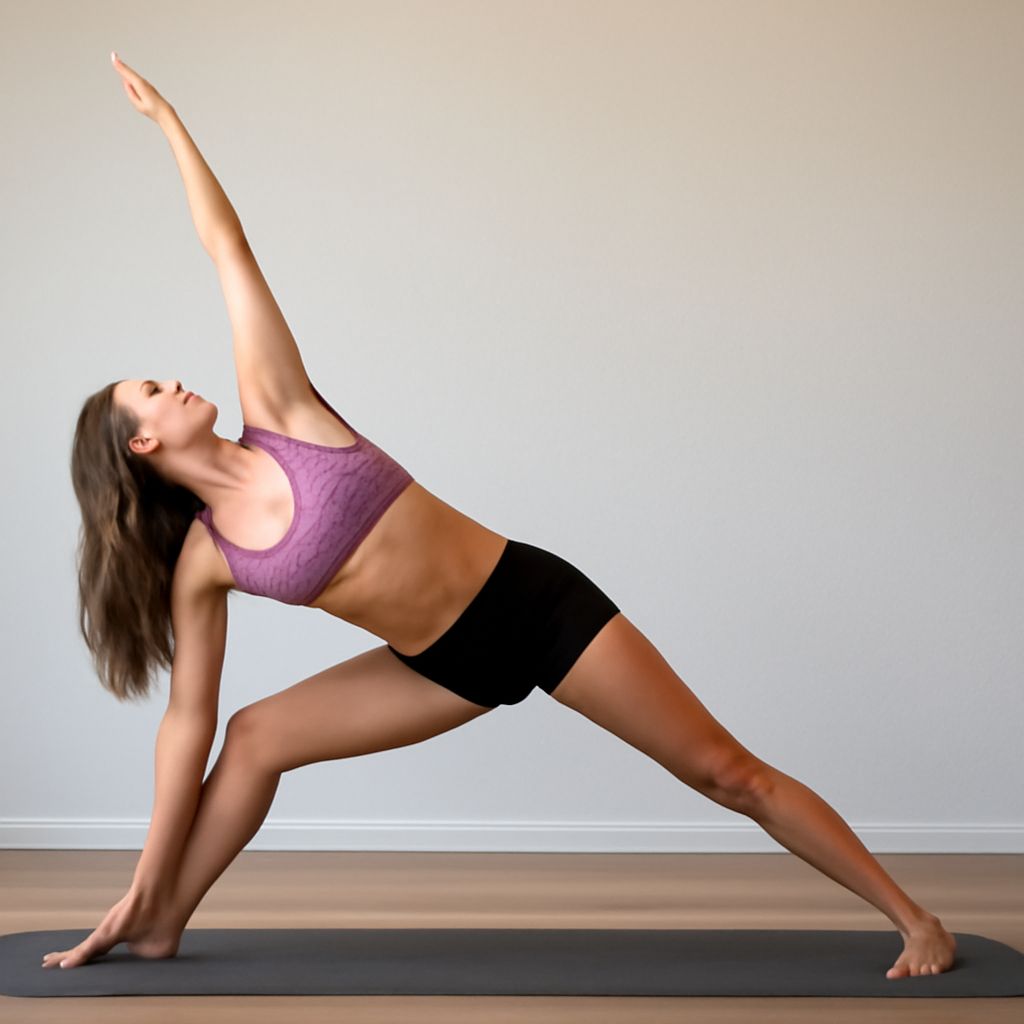
Central practices include a variety of sun salutations, which serve as the backbone for exploring different postural families. Balancing poses, gentle backbends, and mindful forward folds are woven together, allowing for creative expression and personal adaptation. Instead of rigidly following a single routine, vin yoga instructors often tailor sequences to the group or individual needs, making the practice inclusive and dynamic.
In addition to physical postures, vin yoga places strong emphasis on integrating meditation, guided relaxation, and self-awareness techniques. These elements not only complement the physical aspect but also deepen the practitioner’s engagement with their inner experience, reinforcing the holistic philosophy that defines this tradition.
Vin Yoga vs Other Yoga Styles
Comparing vin yoga with other prominent styles reveals its unique position in the broader yoga landscape. While hatha yoga tends to focus on isolated poses and precise alignment, vin yoga’s flowing approach prioritizes movement and breath, cultivating rhythm and grace over perfection. Similarly, although ashtanga yoga incorporates sequences and breath, it often follows a rigid, set series, whereas vin yoga encourages creative adaptation and personal pacing.
Those accustomed to restorative or yin yoga will find vin yoga more dynamic, yet still accessible. The emphasis doesn’t fall solely on long holds or deep stretching, but rather on cultivating a balanced mix of effort and ease. Practitioners seeking a heart-pumping workout can intensify sequences, while those needing a gentler practice can scale back without losing the core benefits. This flexibility sets vin yoga apart, accommodating a broad range of intentions and physical abilities.
Even when compared to vinyasa yoga—perhaps its closest relative—vin yoga distinguishes itself through its grounding in tradition and its nuanced attention to individualization. Rather than following a uniform script, teachers and students collaboratively shape each practice, ensuring a bespoke experience rooted in time-tested principles.
Health Benefits of Vin Yoga
Engaging in vin yoga can provide a diverse spectrum of health benefits. Physically, the combination of strength-building poses and gentle stretches helps improve muscle tone, joint mobility, and stamina. The emphasis on mindful breathing supports cardiovascular health and can aid in lowering stress levels by activating the parasympathetic nervous system.
Regular sessions also enhance balance and coordination, as practitioners learn to move fluidly between postures. From a mental perspective, the meditative focus woven through vin yoga sequences helps reduce anxiety, sharpen concentration, and encourage a more positive outlook. Many report improvements in sleep quality and resilience against daily stressors.
Unlike some exercise regimens that risk overexertion or burnout, the adaptable nature of vin yoga allows for gradual progress. Whether aiming for physical rehabilitation, stress relief, or spiritual growth, individuals can tailor the practice to their evolving needs for truly sustainable wellness.
Who Should Practice Vin Yoga?
One of vin yoga’s greatest strengths lies in its accessibility. It welcomes those brand new to yoga, as well as experienced practitioners seeking renewed inspiration. Older adults, athletes, busy professionals, and people managing injuries can all benefit from its adaptable sequences and focus on self-care.
Vin yoga is particularly well-suited to individuals who prefer a practice that balances movement with mindfulness. Those recovering from illness or stress may find its gentle, breath-centered approach supportive and restorative. Meanwhile, anyone looking to deepen their self-awareness through mindful movement will appreciate vin yoga’s inclusive spirit.
Teachers can modify classes to suit prenatal students, those with limited mobility, or groups seeking a more meditative experience. This versatility makes vin yoga a valuable tool for building community and supporting lifelong health.
Getting Started with Vin Yoga
Embarking on your vin yoga journey begins with finding a qualified instructor familiar with the style’s philosophy and sequencing. Look for classes that emphasize breath, continuous movement, and individual adaptation. Many studios and online platforms now offer vin yoga classes for various levels, making it easy to try a session at home or in a group setting.
Start with shorter practices, focusing on mastering foundational transitions and coordinated breathing. Gradually explore more complex sequences as your confidence and body awareness grow. Essential equipment is minimal—a non-slip mat and comfortable clothing are usually all you need.
For those interested in a do-it-yourself approach, numerous resources offer guided videos, audio instructions, and written sequences. Over time, keep tuning into your body’s feedback, adjusting the practice to balance challenge with comfort. With consistent practice, vin yoga becomes not just an exercise, but a meaningful ritual for holistic well-being.