“There aren’t health risks with any yoga positions or forms”—this claim floats around yoga circles and online forums alike, but how accurate is it? Some believe that, with proper technique and mindful breathing, yoga is universally safe. Yet, others caution about potential injuries or adverse effects from certain postures, especially for beginners or those with pre-existing health conditions. The intersection of yoga philosophy and breath use further complicates the discussion, raising vital questions about safety, tradition, and the body’s limits.
Let’s unravel the myth and explore what truly makes yoga safe—or risky. By diving deep into both the physical practice and the philosophical roots, we can illuminate how yogic breathing and mindful movement interact to support well-being, while also acknowledging the nuances that keep each practitioner’s journey unique.
Understanding the Safety of Yoga
Yoga, at its core, emphasizes personal alignment and conscious movement. On the surface, it might seem that there aren’t health risks with any yoga positions or forms. Yet, considering the diversity of asanas—from gentle supine poses to advanced arm balances—this view warrants closer analysis. Yoga, when practiced with guidance and self-awareness, minimizes the potential dangers. However, treating all postures as risk-free disregards the individual’s physical condition, limitations, and experience level.
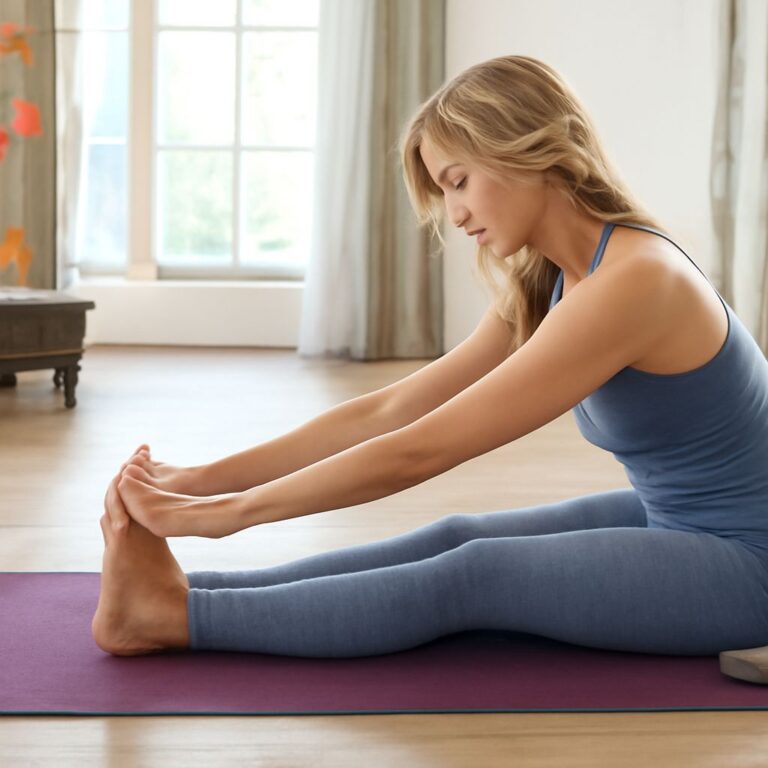
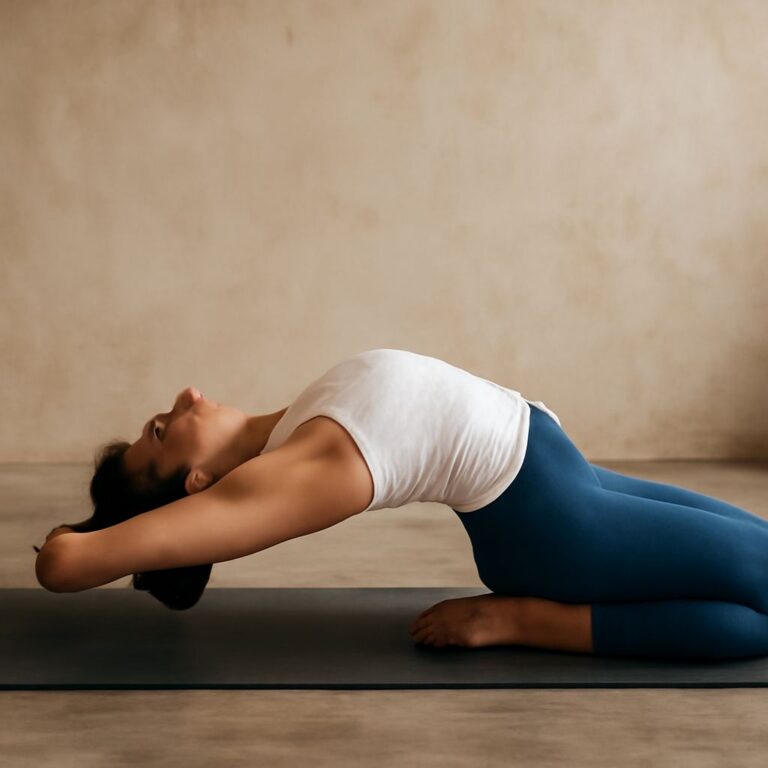
Breaking down the idea of “no risks,” we find that most reported issues arise from pushing beyond one’s capacity, ignoring pain signals, or attempting challenging variations prematurely. Injuries such as strains, sprains, or joint stress can occur not because the pose itself is inherently dangerous, but due to misalignment, overexertion, or lack of proper instruction. For example, transitioning into deep backbends without sufficient preparation may strain the lumbar spine, while forcing the knees in lotus posture can irritate ligaments or cartilage.
Paraphrasing this, yoga postures will not necessarily harm those who approach them wisely, but assuming absolute safety for every body type ignores biological diversity. Beginners learning yoga often benefit from props, modifications, and gradual progression. Teachers skilled in anatomy can assist students in adapting practices, thus reducing chances of injury and making the practice more sustainable. By customizing the yoga process, practitioners cultivate resilience rather than risk.
Supporting this, research points out that incidents of injury in yoga are relatively rare compared to other physical activities. Nevertheless, dismissing any potential harm assumes a “one size fits all” mentality that contradicts the yoga tradition’s focus on self-study and compassion. Instead, an emphasis on mindful, incremental learning honors both safety and the transformative potential of the practice.
Philosophy and Breath Use in Yoga
Turning toward yoga’s philosophical foundation reveals a nuanced approach to risk and well-being. The ancient texts continually highlight ahimsa, or non-harming, as a core tenet. This principle extends beyond interactions with others to include how we treat ourselves on the mat. Yoga philosophy urges practitioners to cultivate self-awareness, respect bodily signals, and nurture a compassionate relationship with their limits—an ethos directly opposed to recklessly attempting advanced forms or ignoring breath cues.
Breath, or pranayama, serves as both the anchor and guardian of the practice. Integrating conscious breathing with movement enables students to tune into the subtleties of sensation, fatigue, and emotional response. When the rhythm of inhaling and exhaling is in sync with movement, the nervous system relaxes, tension dissipates, and the mind grows alert to warning signs. This mindful breathing approach reduces the tendency to push into unsafe territory and fosters a meditative, healing experience. For instance, during challenging postures, employing slow and controlled breaths can help prevent the escalation of stress or muscular strain.
Alternative ways to describe this include: developing self-regulation through breath awareness, practicing attentive inhaling and exhaling during transitions, and encouraging organic movement as an extension of inner listening. Many teachers encourage students to exit a pose or pause if the breath becomes strained, thus using breath as a real-time indicator of safety and readiness. This integration of philosophy and breathwork transforms yoga from a purely physical discipline into an embodied mindfulness practice.
Furthermore, philosophical teachings on satya (truthfulness) and svadhyaya (self-study) inform the practitioner’s ongoing evaluation of what serves their health and growth. Rather than clinging to the notion that there aren’t health risks with any yoga positions or forms, yoga asks us to be honest about our capabilities and to adapt accordingly. This might mean choosing a variation, spending longer in restorative poses, or exploring the meditative aspects of breathwork apart from demanding asanas. In this way, the philosophical framework and breath-based awareness act as a protective layer, guiding practitioners to cultivate safety, integrity, and joy in their practice.