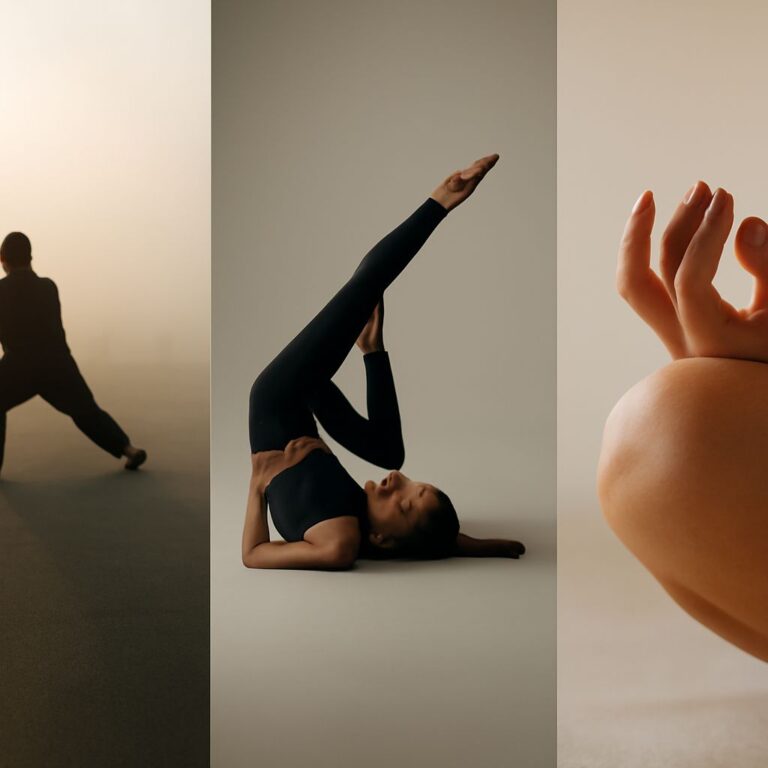
Yoga, often seen as just a series of physical postures, holds deeper dimensions that extend into philosophy and mental clarity. One common myth is that breathwork is an optional aspect of yoga practice, merely a secondary consideration to mastering asanas. However, famous yoga teachers reveal the profound importance of breath, showing how it bridges the body and mind, not just an add-on but the essence of yoga itself. By exploring the insights of these instructors, we gain a clearer understanding of how breath serves as a vital component in achieving balance and peace.
Discovering the breath philosophy of renowned yoga teachers uncovers a world where the simple act of breathing is elevated to a tool for transformation. These instructors emphasize breathwork as essential for enhancing both the physical and mental aspects of well-being. Their approaches to breath philosophy not only debunk common myths but also offer practical pathways to integrate these practices into everyday life.
Introduction to Famous Yoga Teachers
Famous yoga teachers have long emphasized the importance of breath in enhancing yoga practice. Through their teachings, they convey how mindful breathing can deepen the connection between the mind and body. Each teacher brings unique insights, yet they all agree on the centrality of breathwork.
The Philosophy of Breath
The philosophy of breath in yoga is rooted in the belief that breath is life-giving and transformative. In Sanskrit, “pranayama” refers to the regulation of breath, a practice that extends beyond mere respiration. By controlling breath, practitioners can influence their mental and emotional states. This philosophy, shared by influential yoga teachers, is about harnessing the power of breath to cultivate inner peace and clarity.
Breath philosophy emphasizes awareness and control. By focusing on the inhale and exhale, individuals can achieve a meditative state. This conscious breathing is not just a technique but a philosophy that encourages living with intention and mindfulness.
Influential Yoga Teachers and Breathwork
Many influential yoga teachers integrate breath philosophy into their teachings. Teachers like B.K.S. Iyengar highlight how breath control can enhance posture and concentration. Iyengar’s method involves using breath to achieve precision and alignment in asanas, showing how interconnected breath and movement truly are.
Pattabhi Jois, another renowned teacher, incorporates breathwork into the dynamic flow of Ashtanga yoga. His emphasis on synchronized breathing with movement demonstrates how breath can guide and energize the practice. Through his teachings, breath becomes an integral part of the yoga journey, not just a supplemental aspect.
Breath Techniques Taught by Renowned Instructors
Renowned instructors teach a variety of breath techniques that can be adapted to different practices. Techniques such as “ujjayi,” often referred to as “victorious breath,” create a soothing sound that helps maintain rhythm and focus during challenging poses.
Another popular technique is “nadi shodhana” or alternate nostril breathing, which promotes mental clarity and balance. These techniques, though varied, share the common goal of using breath to enhance awareness and relaxation.
Through practicing these techniques, individuals can experience firsthand the transformative power of breath. It’s a practice that famous yoga teachers continue to advocate for its ability to enhance both the physical and spiritual aspects of yoga.
Integrating Breath Philosophy into Daily Practice
The integration of breath philosophy into daily life is about more than just improving yoga practice; it’s about fostering overall well-being. Practitioners are encouraged to apply breath awareness in everyday situations, using it as a tool to manage stress and maintain focus.
Simple practices, like taking a few moments to breathe deeply during breaks, can significantly impact mental clarity and emotional stability. Famous yoga teachers recommend creating daily routines that incorporate breath techniques, making mindfulness a habit rather than a task.
By embracing the breath philosophy taught by these instructors, individuals can experience a more profound connection to themselves and their surroundings. It is a journey of self-discovery and transformation, guided by the simple yet powerful act of breathing.