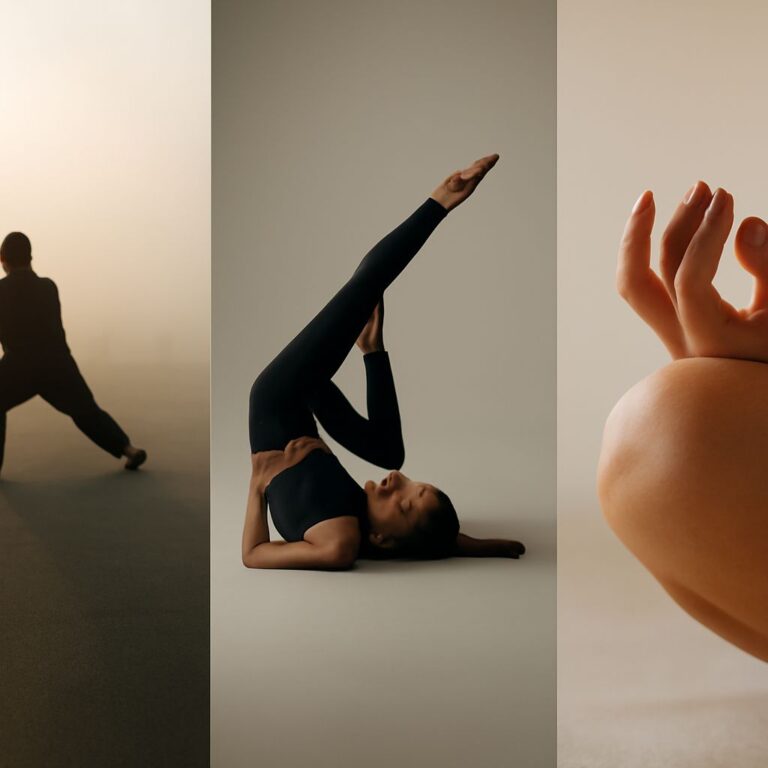
When you think of yoga, images of complex poses and serene meditations might come to mind. However, a lesser-known yet powerful aspect of yoga involves the use of specific hand gestures known as yoga mudras. These simple yet profound techniques are often overshadowed by physical postures but play an integral role in enhancing mental and spiritual well-being.
Despite their simplicity, mudras have been mystified, often misunderstood as mere symbolic gestures. In reality, they are transformational tools that unlock deeper states of awareness and inner peace. In this exploration, we’ll uncover the philosophy of yoga mudras and reveal their tangible benefits for both the body and mind.
Understanding Yoga Mudras
Yoga mudras are subtle hand movements or positions that influence the flow of energy within the body. Derived from ancient Eastern traditions, these gestures are often used to enhance meditation and deepen the connection between the physical and the spiritual self. While practicing mudras, it’s essential to focus on the breath, as this synchronization amplifies their effects.
The word “mudra” itself means “seal” or “gesture,” signifying how they seal energy in the body. When combined with breath control, mudras become powerful tools in yoga. The philosophy behind mudras suggests they can guide energy pathways and balance the body’s internal ecosystem.
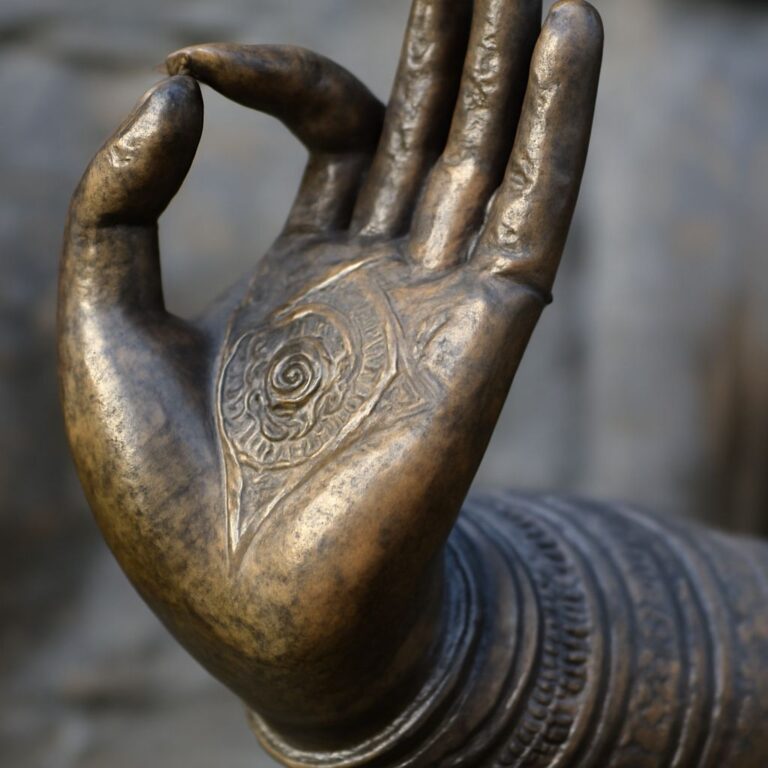
Each mudra has a unique purpose. For instance, the Gyan Mudra, where the thumb and index finger touch, is believed to increase concentration and wisdom. These gestures are not just symbolic; they have physiological and psychological impacts that are supported by modern research.
Benefits of Yoga Mudras
The benefits of yoga mudras extend beyond spiritual growth. They are known for enhancing mindfulness and reducing stress. When incorporated into daily practice, mudras can lead to improved focus and emotional stability. The connection between the practice of yoga mudras and improved mental health is increasingly acknowledged in yoga philosophy.
Mudras work by influencing the nerves, stimulating brain regions, and balancing the body’s internal energies. For example, the Prana Mudra, which involves touching the tips of the thumb, ring, and little fingers, is associated with boosting vitality and reducing fatigue.
Moreover, mudras can aid in physical recovery and health maintenance. Regular engagement with these gestures may improve circulation and support the body’s immune response. By integrating mudras into your yoga routine, you cultivate a holistic approach to wellness that supports both mind and body.
Beyond their physical benefits, yoga mudras also nurture a sense of inner peace. They facilitate a deeper connection to oneself, offering a moment of stillness in today’s fast-paced world. This connection between breath, gesture, and awareness fosters a serene mental state, bringing balance to one’s life.
Bottom line: Yoga mudras, while often overlooked, hold significant power for enhancing both physical and mental health. By incorporating these ancient techniques into your practice, you open doors to deeper mindfulness and inner tranquility. Let these simple gestures guide you on a journey toward holistic well-being.