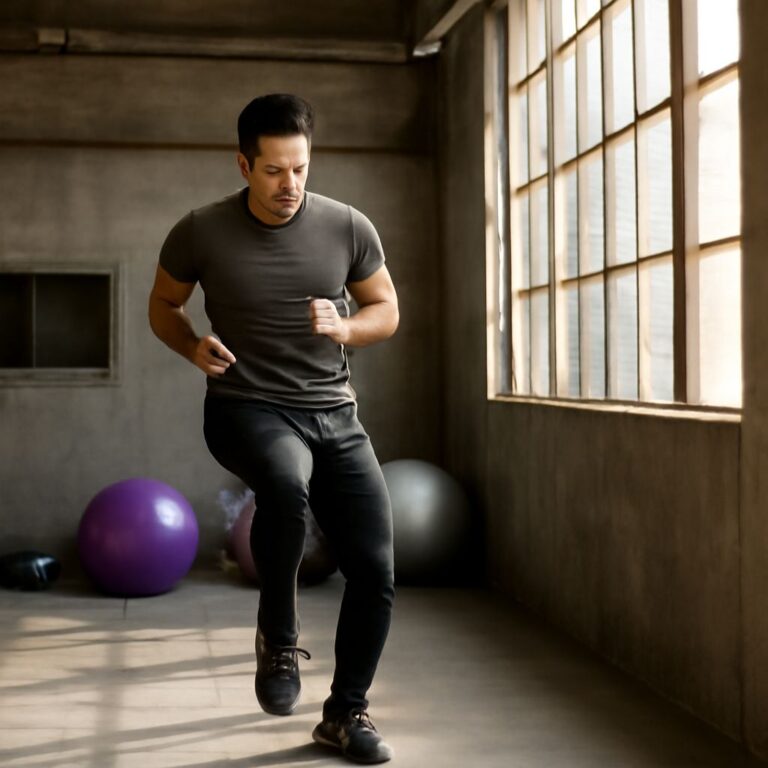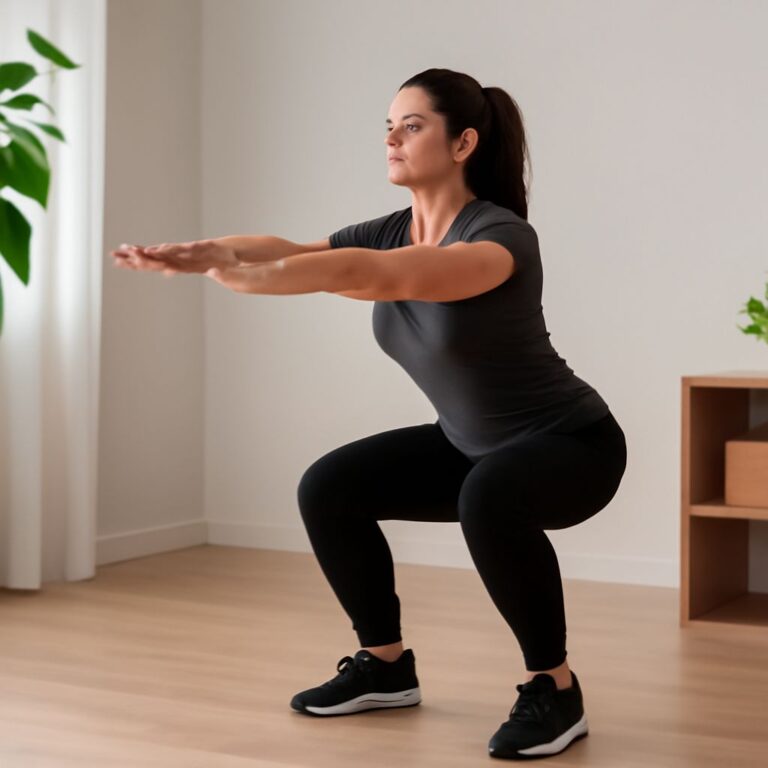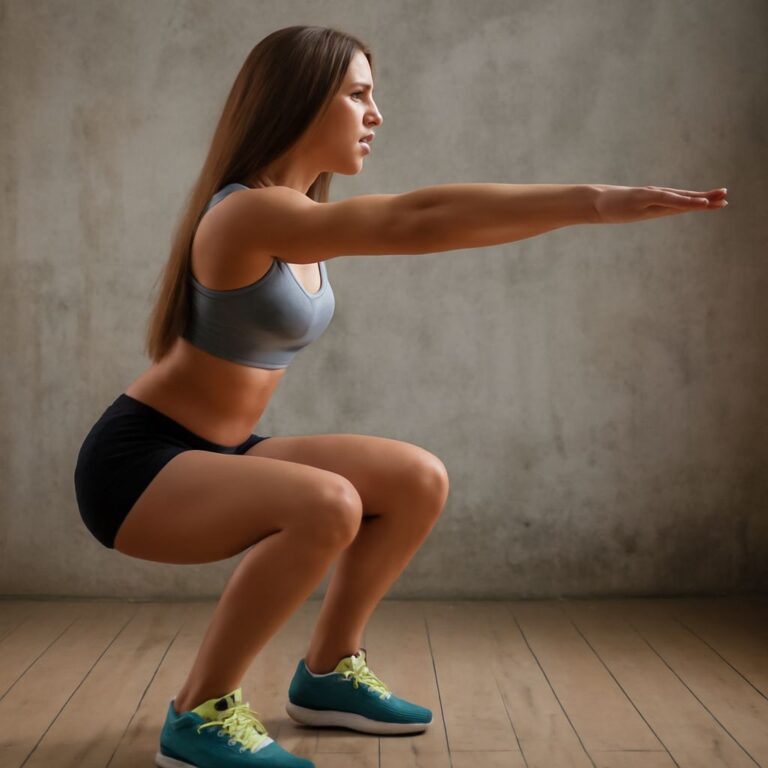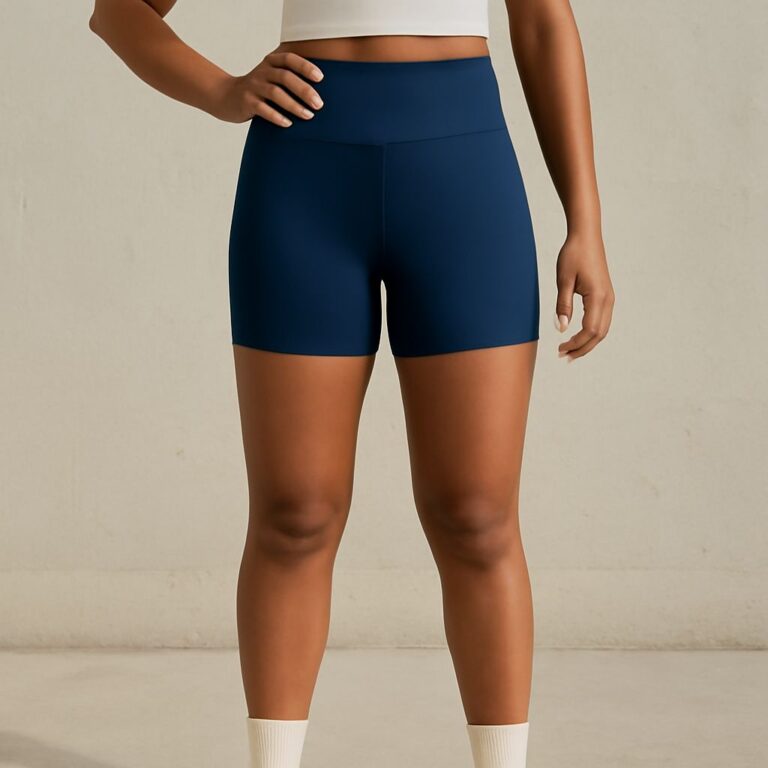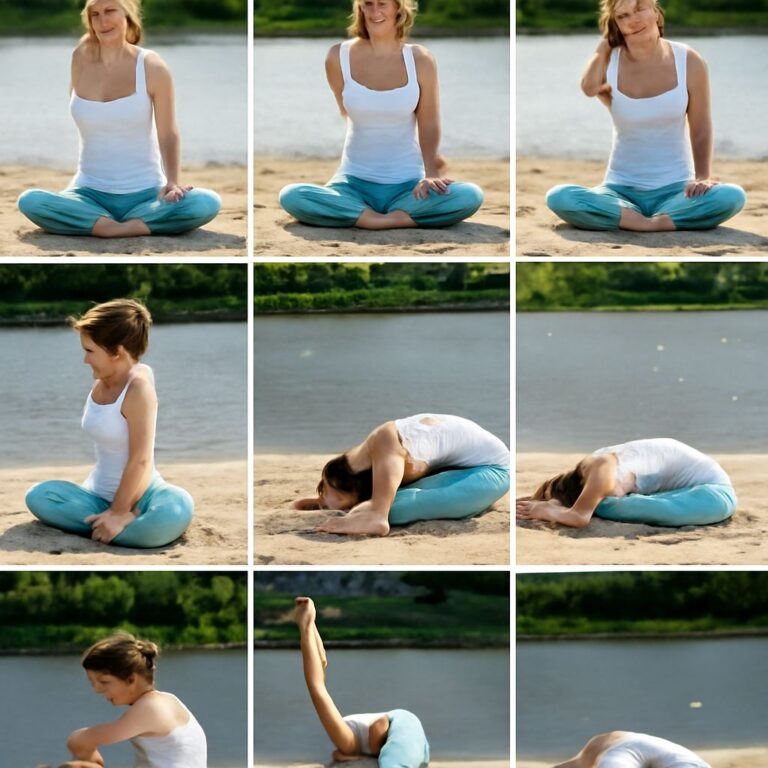
A stronger, more controlled trunk can help you maintain a steady position while your arms and legs move. Training the core involves more than repeating crunches: muscles around the abdomen, back, and hips work together to manage movement and support your body in different positions.
A body-focused core training session can combine an exercise on your back, one on your hands and knees, and a supported carry. Begin with versions you can control while breathing normally. Increase the challenge gradually, keeping the quality of each repetition consistent.
Core body workouts: choose complementary movements
Core body workouts can train several tasks: keeping the trunk steady, controlling movement at the hips, and resisting a pull to one side. You do not need to exhaust every muscle in a single session. A few exercises that ask different things of your body offer a practical way to start.
Use a mat, a stable chair or bench, and a light weight if available. Warm up with a few minutes of easy walking or marching. Then try the following movements in order, resting as needed. Start with one set of each; add a second set on another day if the first remains comfortable and controlled.
Dead bug: coordinate opposite limbs
Lie on your back with your knees bent over your hips and your arms reaching toward the ceiling. Exhale gently as you lower one heel toward the floor and reach the opposite arm back only as far as you can without losing control of your trunk. Return and change sides. Try four to six slow repetitions per side.
For an easier version, keep your arms still and lower one foot at a time, or begin with both feet on the floor and slide a heel away. Keep your ribs relaxed and breathe between repetitions. The aim is a controlled reach, not the greatest distance.
Bird dog: steady the trunk on all fours
Place your hands beneath your shoulders and knees beneath your hips. Reach one leg back while keeping your weight distributed through your supporting hand and knee. Return, then change sides. If this is comfortable, add the opposite arm, reaching forward as the leg extends. Try four to six repetitions per side.
Keep your hips generally level rather than rotating to lift the leg higher. For more support, move just the leg or slide your toes along the floor. Pause briefly at the end of each reach and return slowly without holding your breath.
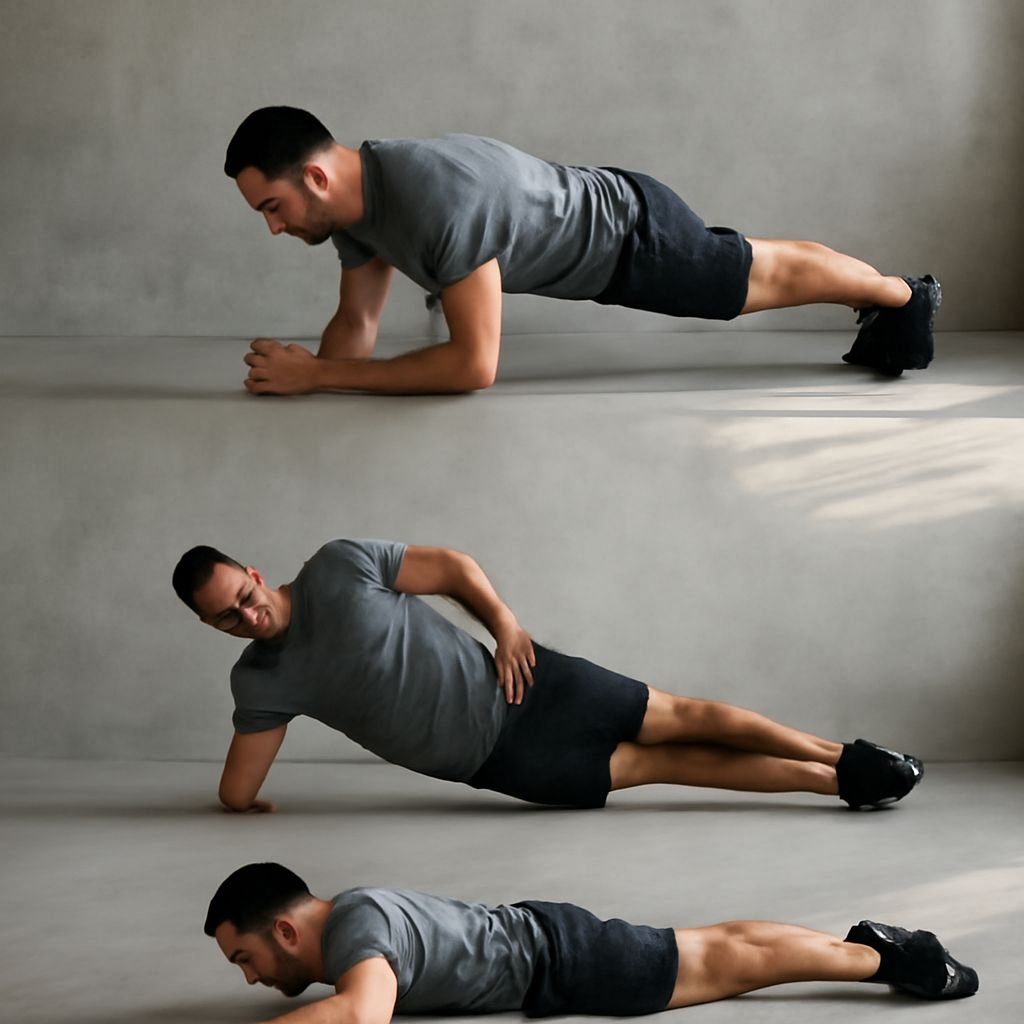
Side plank: work against a sideways drop
Lie on your side with your forearm on the floor and elbow under your shoulder. Bend your knees, then lift your hips until your shoulder, hip, and knees form a comfortable line. Hold briefly while breathing, lower with control, and repeat on the other side. Begin with a hold of about 10 to 15 seconds per side.
If the floor version is too demanding, place your forearm on a stable elevated surface and keep both feet supported. Choose a height and position that let you remain steady. As you become comfortable, a longer hold or a version with straighter legs can add challenge.
Carry: stay upright while walking
Hold one light dumbbell or another easy-to-grip weight at your side. Stand tall, keep your shoulders relaxed, and walk slowly across a clear space. The uneven load encourages you to resist leaning toward or away from the weight. Walk for about 20 to 30 seconds, switch hands, and repeat.
If you do not have a suitable weight, practice the upright walk without one. Use a load you can put down safely and keep your route clear. A strong core workout does not require a heavy carry: a lighter weight that lets you walk evenly is a better practice choice.
Breathe and progress deliberately
A core strength workout should leave room for normal breathing. Exhale during the more demanding part of a movement and inhale as you reset. Gentle abdominal tension can help you maintain your position, but avoid bracing so hard that you cannot breathe or move smoothly.
When the current version feels manageable, change one factor at a time. Add a repetition, extend a hold by a few seconds, or use a slightly more challenging variation. Keep the easier version if your hips twist, your shoulders tighten, or you need to hold your breath to finish. Rest between sets until you can repeat the movement with similar control.
Stop a movement that causes sharp pain or unusual symptoms. If discomfort persists, or an existing condition affects your ability to exercise, seek advice from a qualified healthcare professional about appropriate choices.
Fit the session into your week
A core strengthening workout can stand alone on a busy day or follow a general strength session. Squats, rows, and carries in a broader program also ask the trunk to work, so consider your total effort when deciding how much additional practice to do. Leave time between demanding sessions for recovery and adjust if fatigue affects your technique.
A short body-focused core session is enough to practice the patterns when time is limited. Choose two complementary exercises, such as a dead bug and a side plank, and give each your attention rather than rushing through a long list.
To start now, clear a space on the floor and perform four slow heel slides on each side while breathing normally. Notice whether your trunk stays comfortable and steady; use that observation to choose the starting variation for your next session.