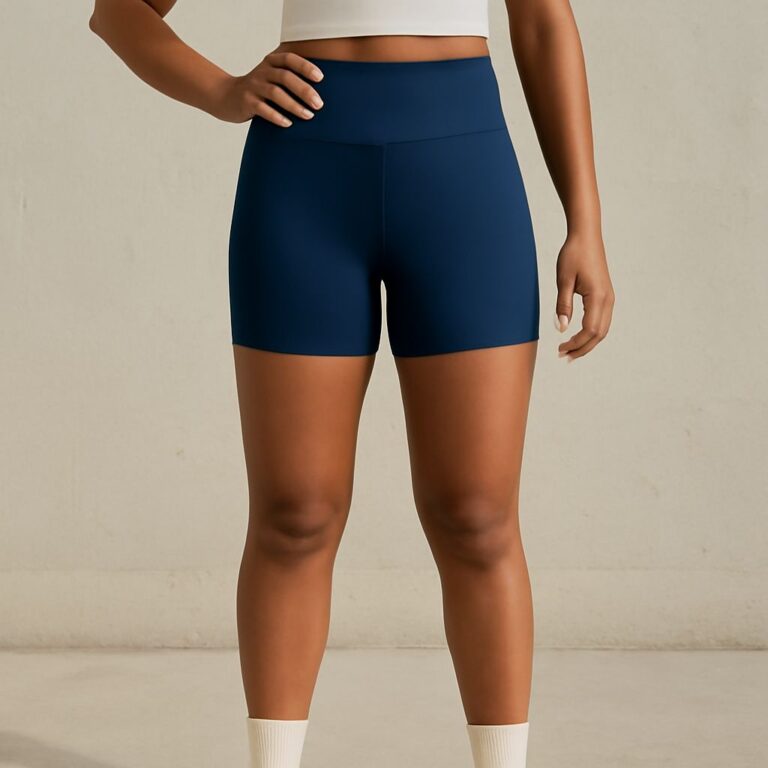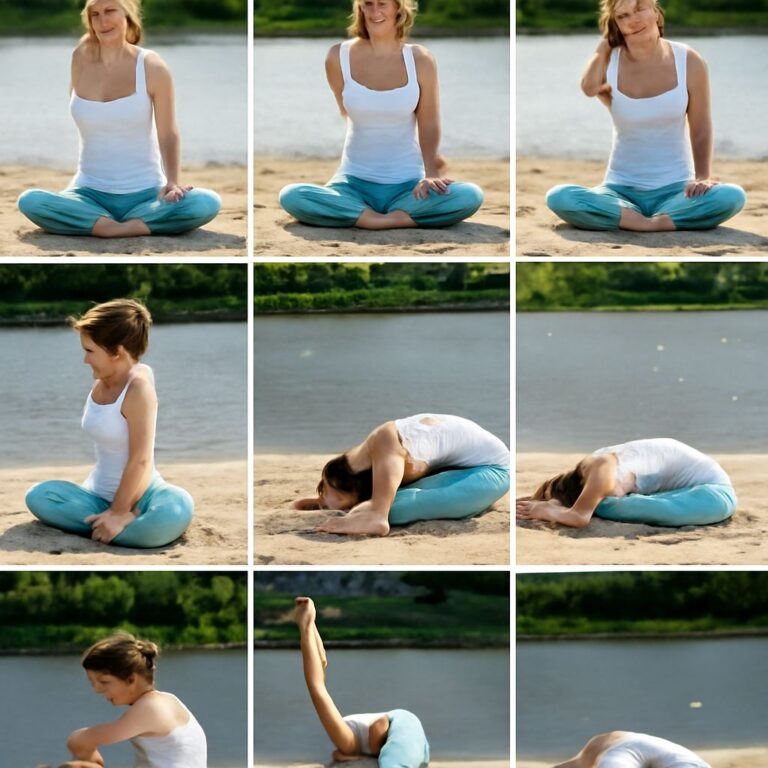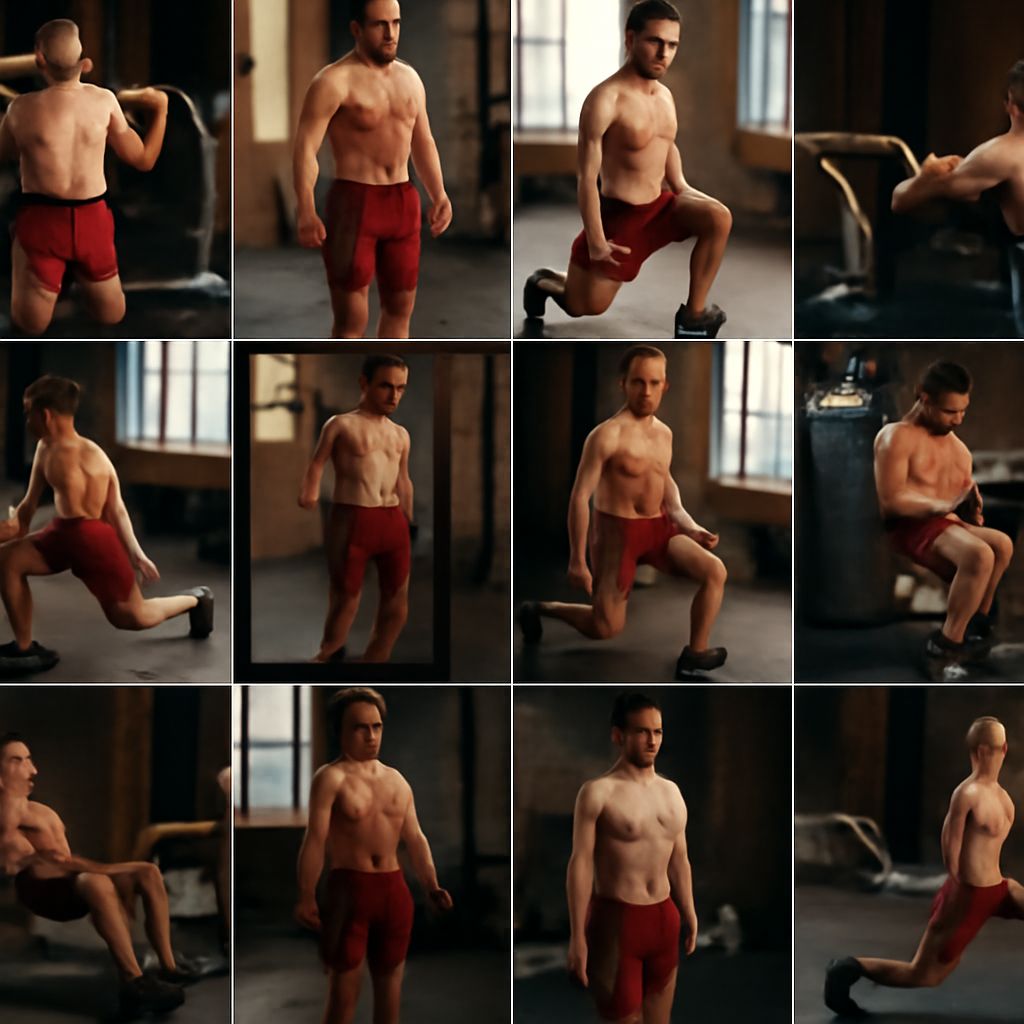
What makes a lower-body session balanced? Choose movements that challenge your legs and hips in complementary ways, then use a load you can control. A strong leg training plan can include a squat, a hip hinge, and a single-leg movement without requiring a different machine for every muscle.
The most effective leg sessions are ones you can repeat and adjust as you gain experience. Your equipment, available time, and goals determine the variations you choose. Start with a few movements, give yourself adequate rest, and record enough detail to make the next session easier to plan.
Best leg workouts start with movement patterns
The best leg workouts combine exercises that place demands on the lower body in different ways. The following patterns provide a practical framework for choosing movements:
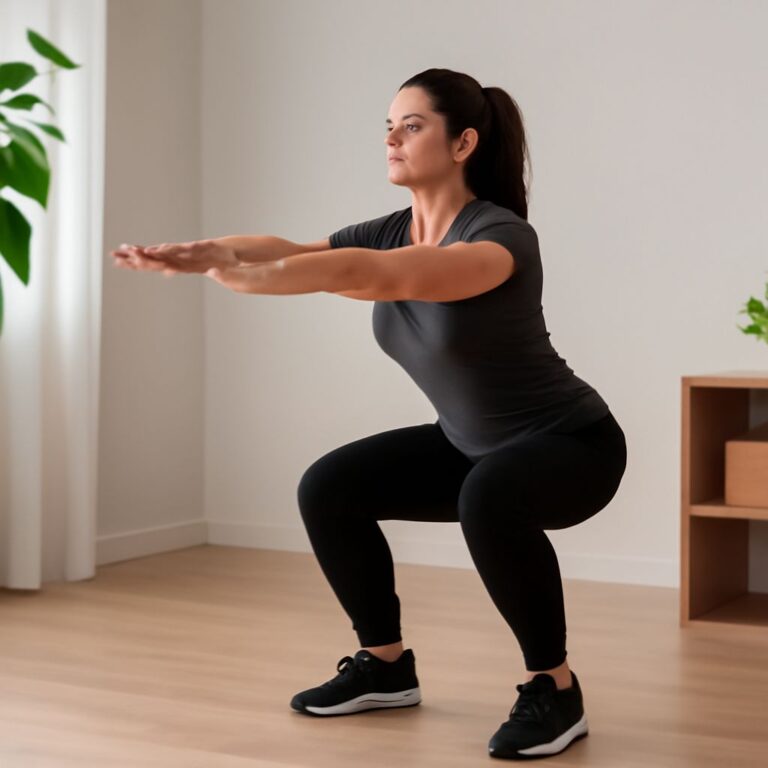
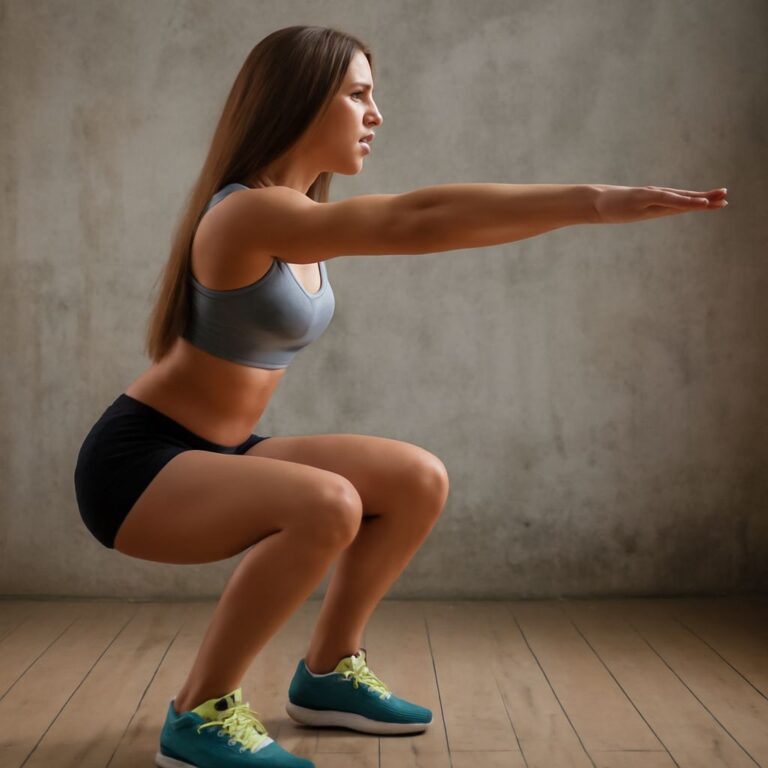
- Squat: bend at the hips and knees, then stand. A bodyweight squat, goblet squat, or leg press can fill this role.
- Hip hinge: move your hips back with a relatively steady torso, as in a Romanian deadlift. This emphasizes the hips and the muscles along the back of the legs.
- Single-leg work: use a split squat, lunge, or step-up to train each side with its own demand for balance and control.
- Optional smaller movements: calf raises or hamstring curls can add focused work when time and equipment allow.
These categories overlap. A squat also uses the hips, and a hinge still involves the legs. The point is to select a useful range of movements rather than add every variation to one session. A leg workout for women can use the same patterns as any other adult’s plan; select the starting load and exercise versions for the individual.
Pick exercises you can set up well
For a squat, try sitting back toward a stable chair and standing again. Keep your feet planted and use a depth you can control. When that feels manageable, hold a dumbbell near your chest for a goblet squat or use a machine that fits your body comfortably. In a leg press, adjust the seat and foot position according to the equipment instructions and avoid lowering farther than you can control.
For a Romanian deadlift, hold light dumbbells in front of your thighs, soften your knees, and move your hips backward. Keep the weights close and your back in a comfortable, steady position. Stop when you can no longer move farther without changing that position, then stand by moving your hips forward. Practice the hinge without weights first if the motion is unfamiliar.
For a split squat, stand with one foot ahead of the other and lower through a comfortable range. Hold a stable support if balance limits the movement. A low step-up is another option: place your whole foot on a secure platform, stand up under control, and step down slowly. Choose the variation that fits your space and allows you to move steadily on both sides.
Organize sets and effort
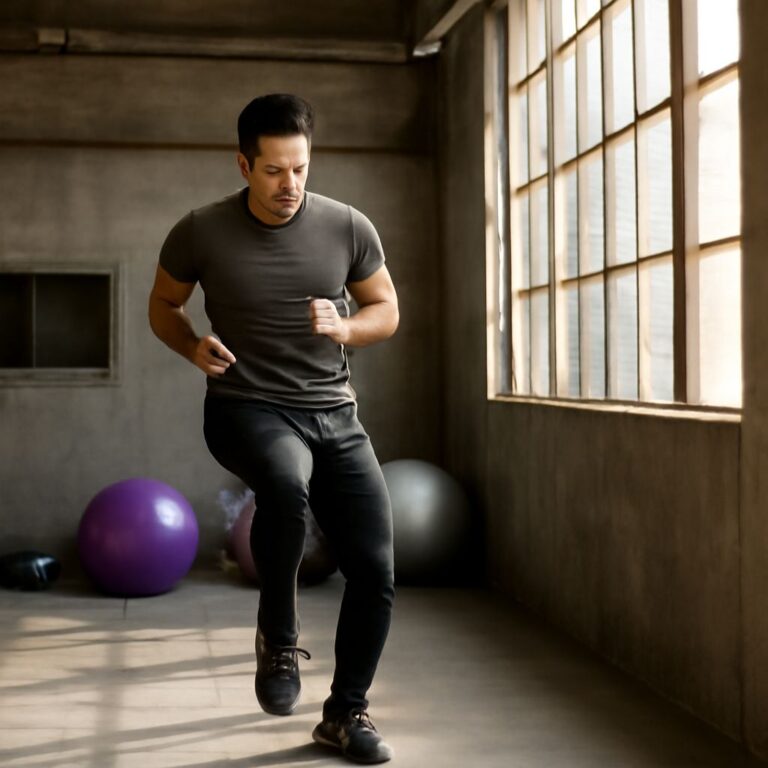
Begin with several minutes of easy movement, then rehearse your first exercise with little or no load. A lower body workout can start with a squat variation, followed by a hinge and a single-leg movement. Place the exercise that requires the most attention early in the session, when you are fresh.
As a starting option, perform two sets of eight to twelve controlled repetitions for each movement. For a single-leg exercise, count repetitions on each side. Rest long enough to repeat the next set with good technique, often one to two minutes. Beginners can start with one set and increase gradually as the session becomes familiar.
Choose a weight that makes the last repetitions challenging while leaving enough control to perform another repetition or two. If you cannot maintain your chosen range, reduce the load. If every set feels easy and steady, add a small amount of weight or a repetition at a later session. Change one variable at a time and note the result.
Fit the plan to your equipment and week
In a gym, a leg press, dumbbell hinge, and supported split squat can make a straightforward combination. With a barbell and a rack, you might choose a squat and a hinge using loads suited to your experience. A trainer can help with setup and technique when equipment is unfamiliar.
When space is limited, a separate home-leg routine can use a chair squat, a bodyweight hinge, and a supported split squat. Clear enough room to move without contacting furniture, and use a stable support. A pair of dumbbells can add resistance later, but controlled bodyweight movements give you a way to practice the patterns first.
After a lower-body workout, legs may feel tired; leave time to recover before another demanding session. Consider walking, sport, and other training when planning the week. Persistent pain, unusual swelling, or symptoms that concern you deserve professional advice; stop a movement that causes sharp pain.
Choose your starting combination
For a shorter session, select one squat and one hinge, then add a supported single-leg exercise if time allows. If your goal is general strength and you have access to equipment, choose variations you can load gradually. If balance, space, or familiarity is the main constraint, begin with stable supports and simpler versions.
The right combination is the one you can set up safely, perform through a comfortable range, and repeat with consistent technique. Record the exercises, sets, and loads you used so you can make a small, informed change at your next session.