Yoga poses & asanas often carry an air of mystery, leading many beginners to believe advanced flexibility is a prerequisite. In reality, foundational postures like gorilla pose yoga can be practiced safely and effectively by yogis of all backgrounds. If you’ve ever wondered whether this unique forward fold is only for the hyper-mobile, it’s time to challenge that myth.
In truth, gorilla pose yoga isn’t just about flexibility—it’s a holistic asana offering powerful benefits for hamstrings, spine, mental well-being, and even wrist health. Read on to discover what makes this pose special, how to perform it safely, and the best tips to refine your practice at any stage.
What Is Gorilla Pose Yoga?
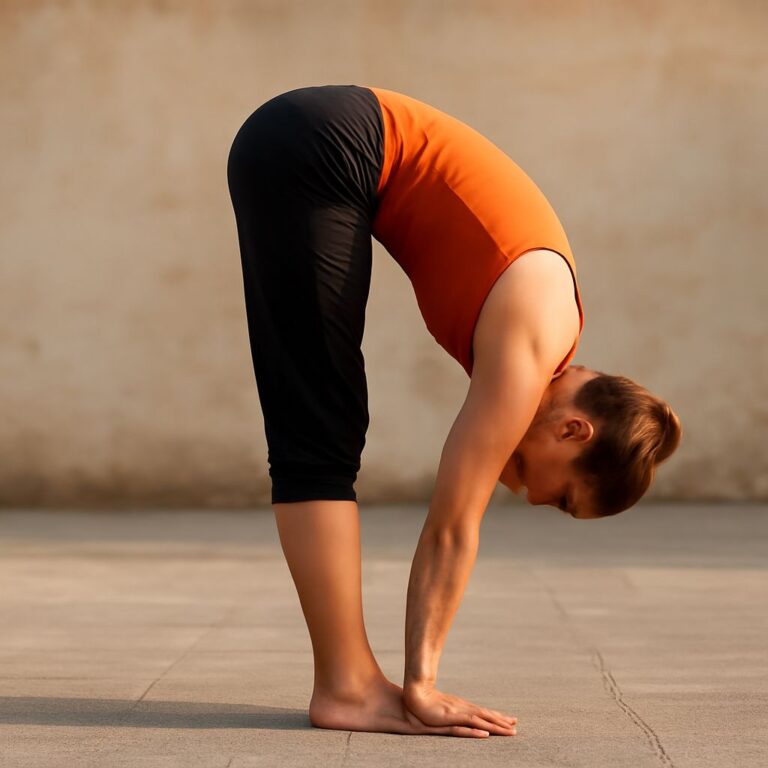
Gorilla pose yoga, also known by its Sanskrit name Padahastasana, is a deeply rejuvenating standing forward bend. The pose is characterized by sliding the hands under the feet, palms facing upward, so that the toes press into the wrists and palms. This simple yet potent gesture creates unique sensations through the backs of the legs, hands, and lower back, making it distinct among yoga poses & asanas.
Unlike more complex positions, the gorilla pose does not demand exceptional agility or a long history of practice. Instead, it provides a safe entry point for working on hamstring length, spinal release, and mind-body relaxation. As you fold forward, the gentle compression of the abdomen against the thighs encourages internal massage and a calming effect on the nervous system. This full-body engagement distinguishes gorilla pose yoga from typical bends or passive stretches, inviting a sense of grounding and present-moment awareness.
Practitioners frequently notice improved flexibility and greater ease in daily movements after incorporating this pose regularly. Moreover, it allows for gradual progression—by bending the knees as needed, even those with tight hamstrings can access the stretch gently. For anyone seeking a deeper connection to breath and body, gorilla pose yoga is an approachable yet transformative asana within the broader world of yoga poses & asanas.
Another often-overlooked advantage is the direct benefit to the wrists and hands. Sliding the hands beneath the feet introduces a subtle traction and stretch, which can be especially helpful for those experiencing tension from typing or repetitive motions. Whether you’re easing into practice or deepening your skills, this posture stands out as a cornerstone for flexibility and holistic well-being.
How to Do Gorilla Pose Yoga Safely
Step-by-Step Instructions
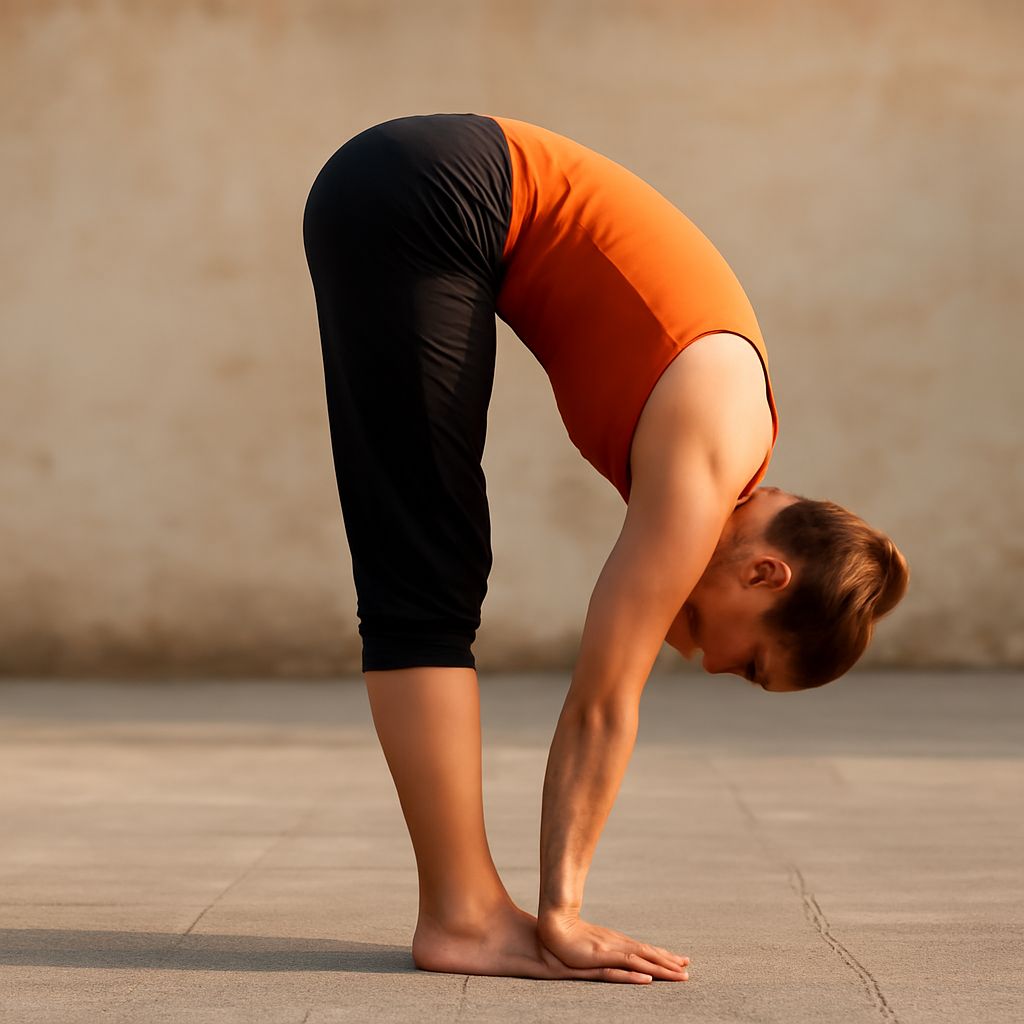
To embrace the advantages of gorilla pose yoga, begin by standing tall with feet hip-width apart. Root down through your feet, and as you exhale, gently fold forward from the hips—not the waist—allowing your chest to move toward your thighs. If the hamstrings feel tight, keep a generous bend in your knees; this accommodates a variety of experience levels and makes the pose accessible.
Next, carefully slide each hand, palm upward, under the corresponding foot so the toes rest at the wrist creases. Spread your fingers and let your weight distribute evenly over your hands and feet. Allow your head to drop naturally, letting the crown point toward the floor, and relax your neck and shoulders.
With each inhale, find length through your spine, and on each exhale, gently deepen the forward fold, inviting the torso closer to the thighs. Focus on grounding the breath, softening the jaw, and releasing any unnecessary tension. Hold the pose for 5-10 breaths, or 30 seconds to one minute, depending on comfort. To exit, release the hands and slowly roll up to stand, stacking the vertebrae one at a time.
Common Mistakes to Avoid
While practicing gorilla pose yoga, it’s easy to fall into habits that undermine the posture’s effectiveness. One frequent error is rounding the upper back excessively, which shifts the effort away from the hamstrings and may strain the spine. Prioritize hinging at the hips and keeping the chest moving toward the thighs, even if this means a pronounced bend in the knees.
Another pitfall is forcing the legs to straighten prematurely. Overemphasizing a flat-legged position invites unnecessary strain and diminishes the stretch’s safety and benefits. Instead, work gradually—consistent practice of this and related yoga poses & asanas will naturally improve flexibility over time.
Be mindful not to grip or tense the hands and wrists. The palms should remain gently under the feet, with the toes providing a mild massage rather than excessive pressure. Using props like yoga blocks under the hands can also support those with limited reach or existing wrist sensitivity, fostering a sustainable and injury-free experience.
Finally, remember that the breath is your ally—shallow, rushed breathing often signals overexertion. Maintain an even inhale and exhale, and prioritize quality of movement over depth. This mindful approach distinguishes the practice from mere stretching, underscoring the comprehensive nature of gorilla pose yoga within the wider practice of yoga poses & asanas.
Key takeaways: Gorilla pose yoga is a versatile forward fold, offering profound benefits for both body and mind—without demanding advanced flexibility. By following careful alignment and gradual progression, practitioners at any level can unlock increased mobility and calm. Integrate this asana into your routine for lasting support on your yoga journey.