When it comes to yoga, misconceptions abound. One common myth is that advanced poses are the only path to physical and spiritual growth. However, even seemingly simple poses like Horse Pose Yoga can provide profound benefits. Another misconception is that only the most flexible individuals can practice this pose effectively. In reality, Horse Pose Yoga is accessible to practitioners of all levels, offering unique opportunities for enhancing both strength and flexibility.
What is Horse Pose Yoga?
Horse Pose Yoga, known as Vatayanasana in Sanskrit, is a dynamic and invigorating asana that focuses on balance, strength, and concentration. Borrowing its name from the stance of a horse, this pose embodies stability and grace. Traditionally practiced in various yoga styles, its versatility makes it suitable for both beginners and seasoned practitioners. By engaging core muscles and encouraging proper alignment, this pose acts as a foundation for developing further yoga skills.
Benefits of Horse Pose Yoga
The advantages of incorporating Horse Pose Yoga into your routine are numerous. Physically, it strengthens the thighs, calves, and glutes, enhancing lower body power. This asana also improves flexibility, particularly in the hips and groin, making it a beneficial pose for those who sit for extended periods.
Beyond the physical, Horse Pose Yoga offers mental and emotional benefits. It encourages focus and mindfulness by requiring balance and coordination, creating an opportunity for meditative practice. Engaging in this pose can also alleviate stress, fostering a sense of calm and centeredness.
Additionally, practicing Horse Pose Yoga can aid in digestive health. The pose stimulates abdominal organs, promoting efficient digestion and contributing to overall well-being. Whether you’re looking to enhance your physical fitness or cultivate inner peace, this pose serves as a valuable addition to any yoga practice.
How to Perform Horse Pose Yoga
Step-by-Step Instructions
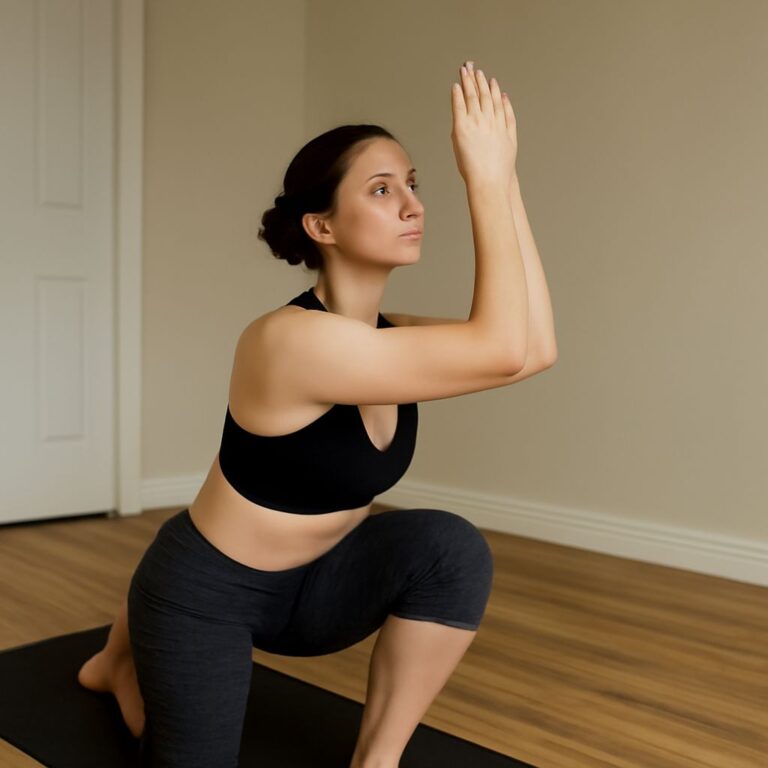
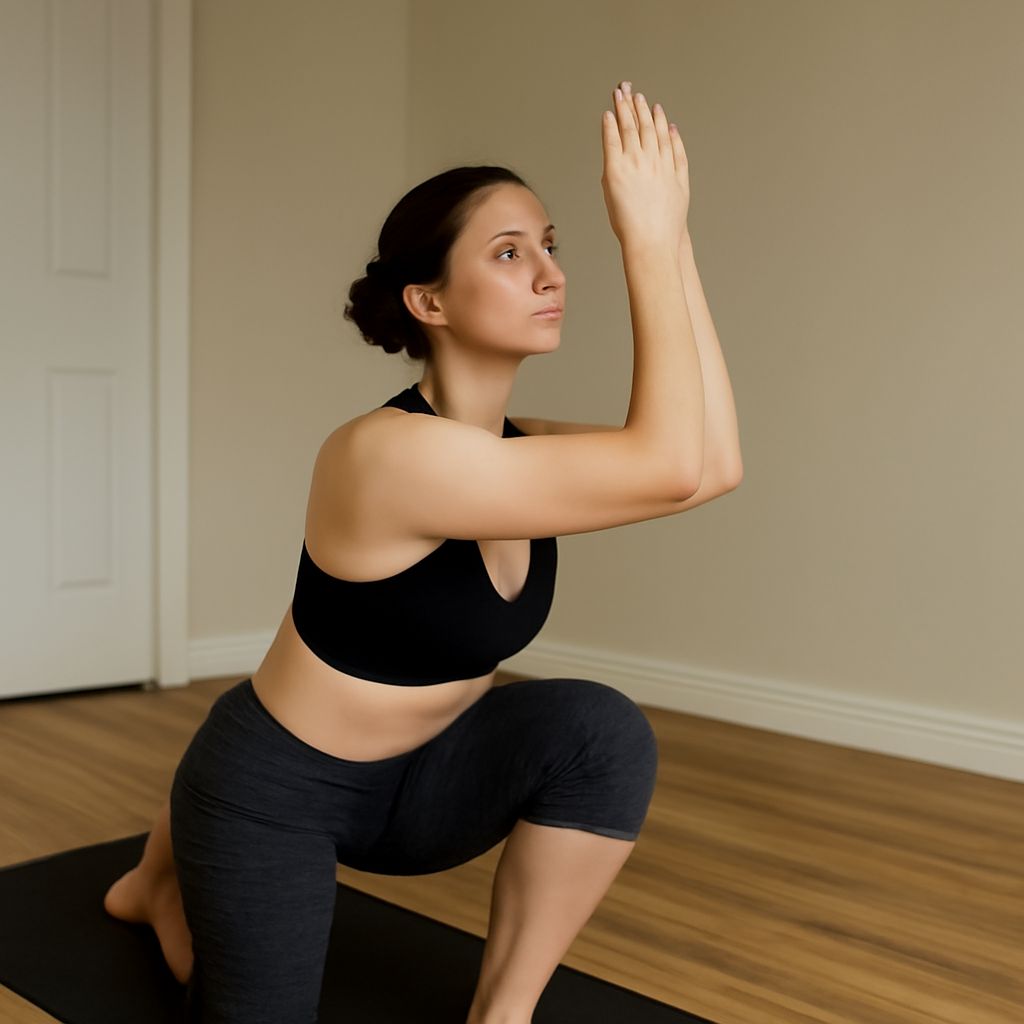
To begin, stand with your feet wider than hip-width apart and turn your toes slightly outward. Bend your knees deeply, aligning them over your ankles as you lower your hips into a squat. Ensure that your back remains straight and your chest is open. Lengthen your spine and engage your core.
Next, extend your arms out in front of you, palms facing down. Alternatively, you may bring your hands to your heart center in a prayer position for balance. Hold the pose for several breaths, maintaining your focus and balance.
To release, slowly straighten your legs and return to a standing position. As you practice, concentrate on your breath, allowing it to guide your movements and deepen your pose.
Common Mistakes to Avoid
While practicing Horse Pose Yoga, it’s important to avoid common pitfalls. One frequent error is allowing the knees to extend beyond the toes, which may strain the joints. Ensure that your knees are aligned comfortably, and adjust your stance as needed.
Another mistake involves arching the back excessively. Keep your spine neutral and your core engaged to prevent unnecessary stress on the lower back. Lastly, avoid holding your breath. Breathing steadily not only supports balance but also enhances the meditative quality of the pose.
Incorporating Horse Pose Yoga into your practice can lead to numerous benefits. Whether you’re seeking physical strength, increased flexibility, or mental clarity, this versatile asana offers a pathway to holistic well-being. Embrace the balance and power of this pose, and experience the transformative potential it holds.