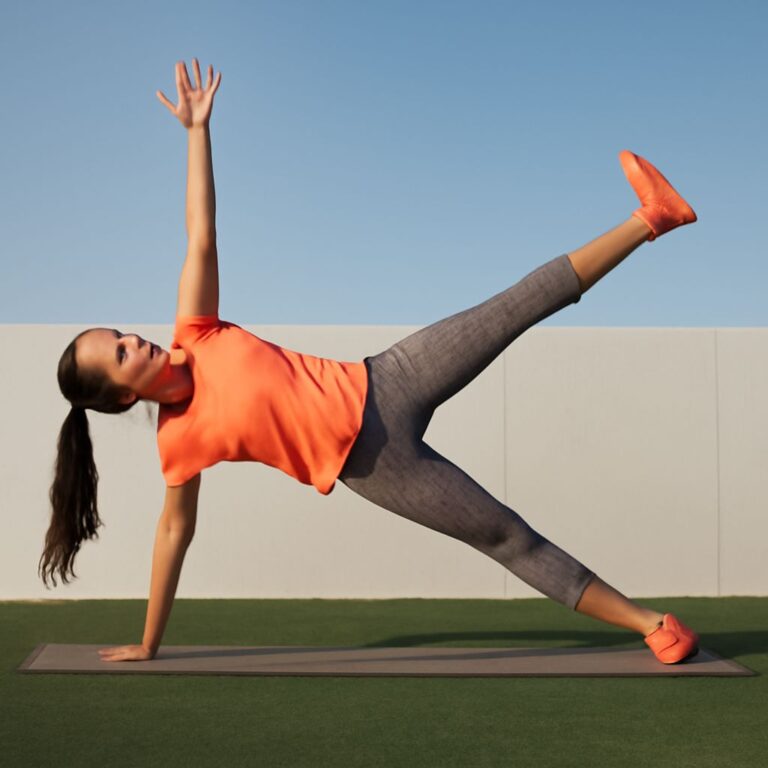
Many believe that yoga is solely about achieving a state of relaxation and zen. However, this ancient practice holds much more beneath the surface, encompassing a variety of poses and techniques designed to enhance physical and mental well-being. One of the most intriguing and beneficial postures is known as the Pigeon Yoga pose. This article will delve into why mastering the art of K1 can transform your flexibility and balance, shattering common misconceptions about the limits of yoga.
K1, or the Pigeon pose, is often misunderstood as merely a stretch for the hips. While it indeed offers an incredible hip-opening experience, it is also a profound tool for enhancing overall flexibility and balance in the body. By exploring the depth of Pigeon Yoga, practitioners can unlock a range of benefits that go beyond the superficial layers of physical exercise.
Understanding Pigeon Yoga
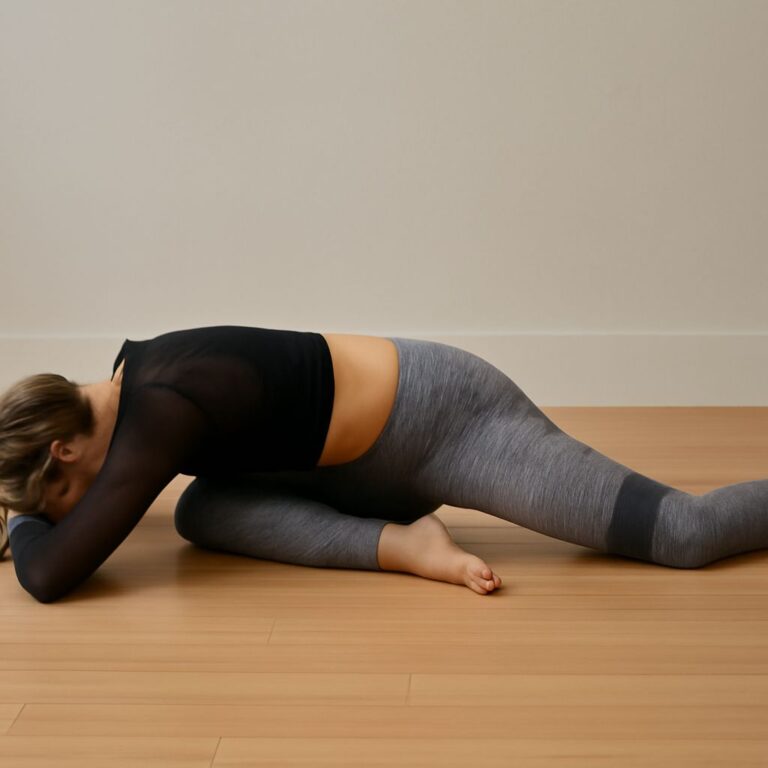
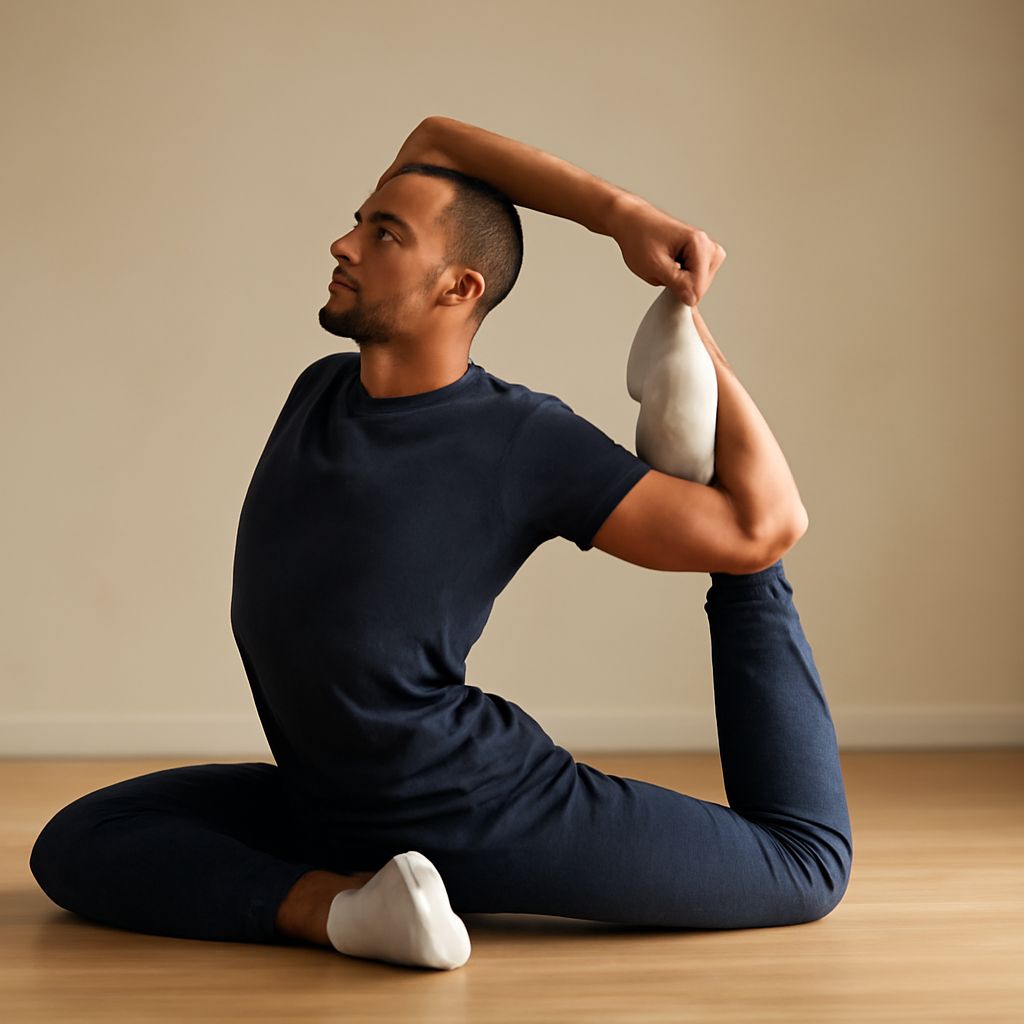
Pigeon Yoga, specifically the K1 pose, is a staple in many yoga practices. Its primary focus is on opening the hip flexors, but it also stretches the thighs, groin, and lower back. This pose involves extending one leg back while bending the other forward, creating a deep stretch across the hip area.
Incorporating this posture into your routine requires attention to detail and patience. It’s essential to ensure that the extended leg remains active, which helps in maintaining balance and preventing unnecessary strain. Practitioners often find that with regular practice, the flexibility gained in K1 aids in other yoga asanas, as well as daily activities.
Pigeon Yoga is adaptable; variations of the pose can accommodate different levels of flexibility and strength. For beginners, it’s advisable to use props like yoga blocks or blankets to support the hips and achieve proper alignment. For advanced practitioners, incorporating arm balances or forward bends can deepen the stretch and enhance the challenge.
Benefits of K1
The benefits of integrating the K1, or Pigeon pose, into your practice are extensive. Primarily, it facilitates a deep release of tension in the hip region, which is critical for many who spend long hours sitting. This release not only improves flexibility but also contributes to better posture and reduced lower back pain.
Another significant advantage is the impact on balance. As you engage your core and stabilize your body in the pose, you cultivate a sense of equilibrium that translates into improved overall stability. This newfound balance can enhance performance in other physical disciplines, such as dancing or athletics.
Pigeon Yoga also has a meditative aspect. The focus required to maintain the K1 pose encourages mindfulness, helping practitioners become attuned to their breath and bodily sensations. This aspect of meditation can reduce stress and promote a sense of calm, enriching the mental benefits of yoga practice.
Additionally, the K1 pose supports emotional release. The hips are often considered a storage site for emotional tension. Engaging in Pigeon Yoga facilitates the release of these built-up emotions, promoting emotional well-being and enhancing mental clarity.
Regular practice of the Pigeon pose, or K1, can lead to enhanced flexibility and balance, contributing to a more harmonious lifestyle. By embracing Pigeon Yoga, practitioners not only improve their physical health but also enrich their emotional and mental states, truly mastering the art of K1.