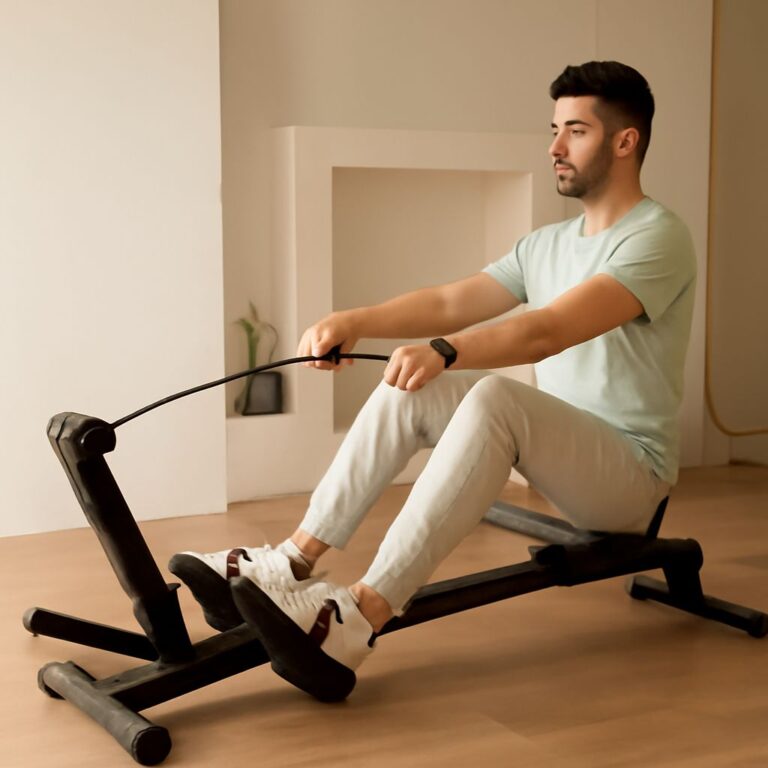
Knowing what aerobic activity feels like helps you choose a pace you can maintain during a walk, bike ride or swim. These activities involve repeated movement that raises your breathing and heart rate. Different forms of aerobic movement can fit into daily life, from walking to a store to dancing at home; the effort depends on how you perform them and your current fitness.
Types of Aerobic Exercise in Everyday Life
What are aerobic exercises? They are activities that use large muscle groups in repeated movement and can be sustained for a period of time. During them, the body relies substantially on oxygen to produce energy. Your heart and lungs respond to the increased demand by working harder than they do at rest.
What is an aerobic exercise in practice? A brisk walk is one example: your legs keep moving, your breathing becomes faster and you can maintain the pace for several minutes. A bicycle ride or a swim can produce a similar sustained effort, although the muscles and equipment involved differ.
A list of aerobic exercise can include familiar activities outside a gym. The examples below offer different settings and levels of impact, so choose one you can perform comfortably and return to regularly:
- Brisk walking: Walk outdoors, on an indoor track or on a treadmill. Increase your pace until breathing is noticeably faster while you can still speak.
- Cycling: Ride on a safe route or use a stationary bike. Adjust speed and resistance to make pedaling feel manageable but purposeful.
- Swimming or water walking: Move continuously in water at a pace that suits your ability. Choose a supervised setting if needed and follow pool safety rules.
- Dancing: Repeated steps to music can raise your effort; choose movements and a pace you can maintain without losing balance.
- Everyday tasks: Walking for errands, pushing a lawn mower or active yard work can count when the effort raises your breathing and heart rate for a sustained period.
Different types of aerobic exercise suit different settings. An aerobic exercise list is a menu, not a ranking. Among these aerobic activity options, the most practical choice may be the one available near home or work. If joint discomfort makes walking difficult, for example, a stationary bike or water-based movement may be more comfortable. Test the activity at an easy pace and adjust the duration to your response.
Recognize a Moderate Effort
The talk test is a simple way to judge intensity relative to your own ability. At a moderate pace, your breathing is faster than at rest, but you can still talk in sentences. Singing would be difficult. At vigorous intensity, you generally need to pause for breath after only a few words. The CDC describes this distinction as a practical guide to effort.
The same activity can feel different from one person to another. A hill that makes one walker breathe hard may feel moderate to a person accustomed to climbing it. Heat, the length of the session and fatigue also change how a pace feels. Use your breathing and ability to talk alongside the speed displayed on a machine or watch.
If you can sing comfortably, increase your pace slightly when you feel ready. If talking becomes difficult and you intended an easier session, slow down or take a break. You can begin below moderate intensity and build gradually; an activity does not need to feel exhausting to be worth doing.
How Does It Differ From a Short, Hard Effort?
What makes a movement aerobic? A steady walk relies heavily on aerobic energy production because it continues at an effort the body can sustain. A brief, all-out sprint also draws on energy pathways that can supply energy rapidly without relying directly on oxygen in the same way. The body uses several pathways together, with their relative contribution changing as intensity and duration change.
A vigorous activity can still be aerobic. Jogging steadily, for example, raises breathing more than a moderate walk but can continue for many minutes. A short sprint is a different kind of effort because its intensity is difficult to sustain. Neither example requires you to perform intervals to get started with regular movement.
Strength exercises have another main purpose: muscles work against resistance, as in standing up from a chair or lifting a weight. They can raise your heart rate too, and both strength work and sustained movement have a place in a balanced routine. The practical difference is what you are asking your body to do and how long you maintain it.
Start With an Activity You Can Repeat
If you are new to regular exercise, begin with a manageable period of movement, such as a short walk, and let your breathing settle afterward. Add time gradually as it becomes comfortable. On a busy day, a few shorter walks can fit more easily than one longer outing; choose a safe route and shoes that feel comfortable.
Stop if you experience chest pain, faintness or other concerning symptoms, and seek appropriate medical help. If you have a health condition or have been advised to limit activity, ask a healthcare professional which level is appropriate before increasing your effort.
Does It Have to Feel Hard to Count?
No. A moderate effort usually means you can talk but not sing, and starting more gently is reasonable if you are building a routine. Pick a familiar activity and adjust its pace to your breathing rather than trying to match someone else’s speed.