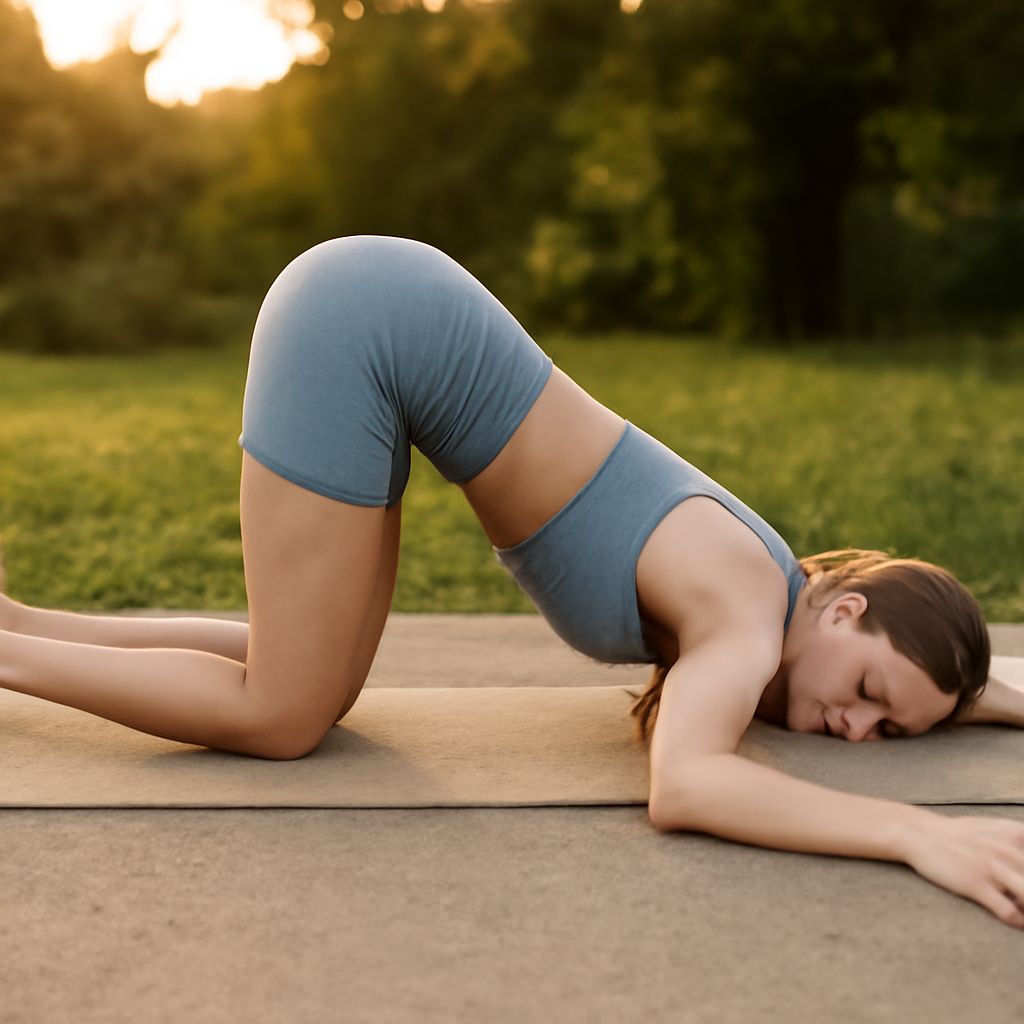
Yoga often comes with a reputation for complexity, with poses that can seem daunting to beginners. Yet, amid the intimidating asanas, the Thread the Needle Yoga Pose stands out as both accessible and beneficial. Common myths suggest that this pose is only for advanced practitioners or that it lacks substantial benefits. However, these assumptions are misleading. In reality, the Thread the Needle Pose offers gentle stretching and significant flexibility improvements, making it suitable for all skill levels.
Whether you’re just starting or have practiced yoga for years, incorporating the Thread the Needle Pose into your routine can enhance your experience. This pose, often underestimated, can bring noticeable improvements in both flexibility and relaxation. Let’s explore its benefits, techniques, and how to seamlessly integrate it into your practice.
Introduction to Thread the Needle Yoga Pose
The Thread the Needle Yoga Pose is designed to offer a gentle yet effective stretch that targets the shoulders, upper back, and neck. Its simplicity makes it a great choice for both beginners and experienced yogis. By threading one arm under the other, the pose encourages a twisting motion that helps release tension. This can be particularly beneficial for those who spend long hours at a desk or are looking to unwind after a stressful day.
Benefits of Thread the Needle
One of the primary benefits of the Thread the Needle Pose is its ability to enhance flexibility. By stretching the shoulder and upper back, it helps increase range of motion and reduces stiffness. Furthermore, this pose promotes relaxation by gently massaging the upper spine and alleviating stress. Regular practice can lead to improved posture and a greater sense of ease in everyday movements.
Additionally, the pose supports better circulation, which can be beneficial for those experiencing tension headaches or neck strain. By gently stretching and twisting, it encourages blood flow to these areas, which can aid in reducing discomfort.
How to Perform Thread the Needle Pose
Step-by-Step Instructions
- Begin on all fours, ensuring your hands are directly under your shoulders and knees under your hips.
- Inhale and reach your right arm out to the side at shoulder height.
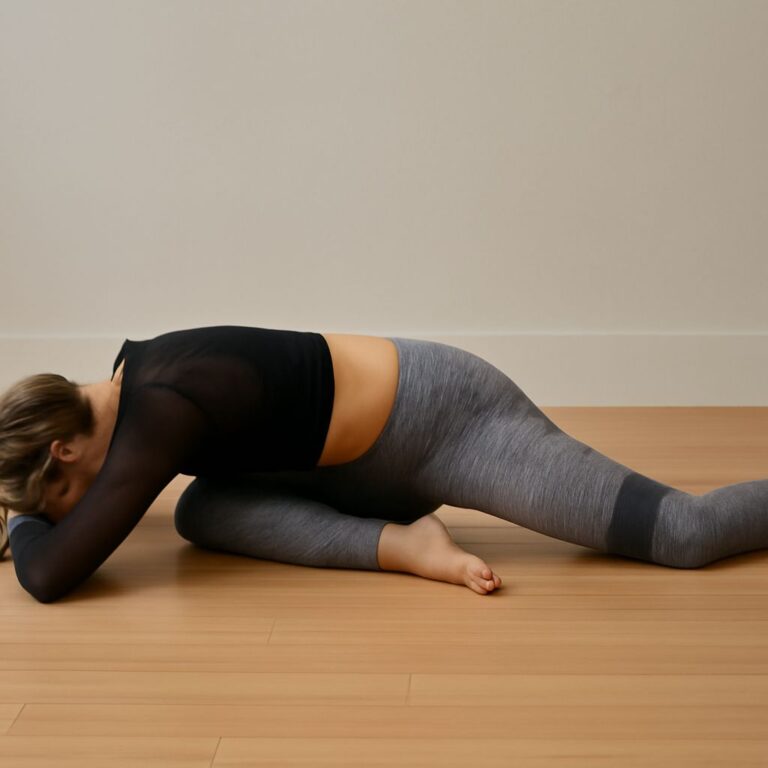
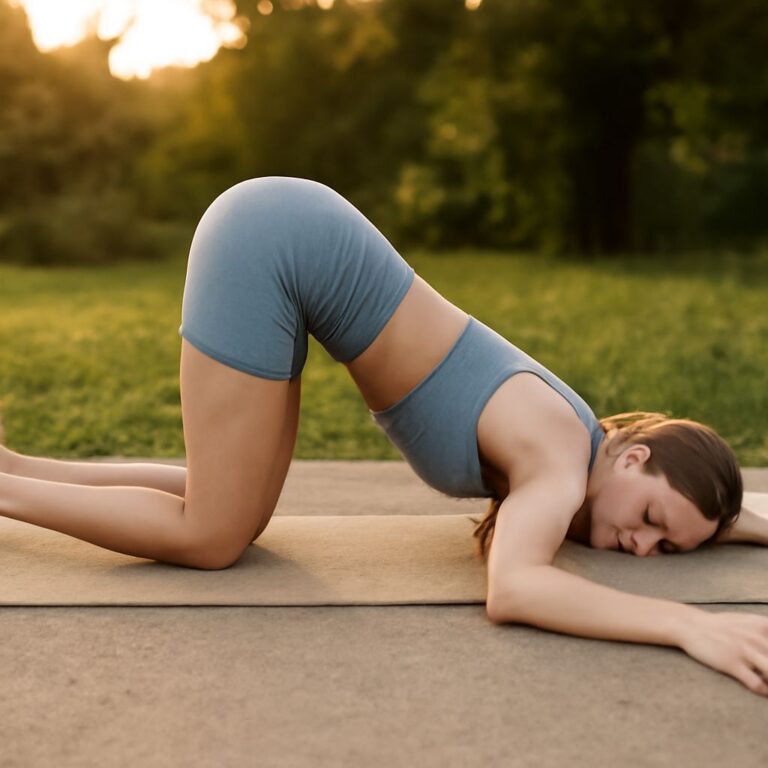
- As you exhale, thread your right arm under your left arm, lowering your right shoulder and ear to the mat.
- Keep your left hand pressing into the floor, or extend it overhead for a deeper stretch.
- Breathe deeply and hold the pose for 30 seconds to 1 minute.
- Slowly release the pose and repeat on the opposite side.
Common Mistakes to Avoid
- Avoid rushing: Take your time to move into and out of the pose gently.
- Maintain alignment: Keep your hips level and avoid twisting them excessively.
- Do not force the stretch: If you feel pain, ease up on the stretch until it feels comfortable.
Modifications and Variations
For those with limited flexibility, modifications can make the pose more accessible. Placing a cushion under the shoulder can provide added support and comfort. Alternatively, those seeking a deeper stretch can extend the supporting arm further overhead or bring the supporting hand to the small of the back.
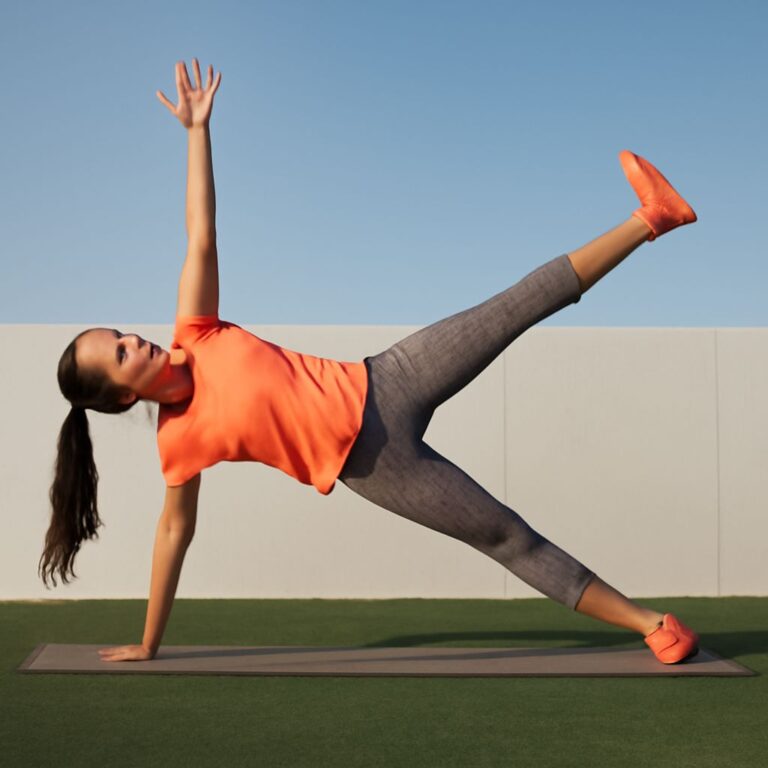
Advanced practitioners might try lifting the opposite leg for balance, further engaging the core and adding a challenge to the pose. Always ensure these variations are performed with care to prevent strain.
Incorporating Thread the Needle into Your Routine
The Thread the Needle Pose can be easily included in a warm-up or cool-down routine, providing a calming transition between more intense poses. Practicing it alongside other flexibility-enhancing asanas like Child’s Pose or Cat-Cow can create a balanced flow that nurtures both the mind and body.
Consider adding this pose to your daily practice, especially if you experience tight shoulders or neck tension. Consistent practice can lead to lasting improvements in both your physical and mental well-being.
Safety Recap: When practicing the Thread the Needle Pose, listen to your body and avoid pushing beyond your comfort level. Use props as needed to maintain alignment and reduce strain. Remember, yoga is about finding balance and peace, not achieving perfection.