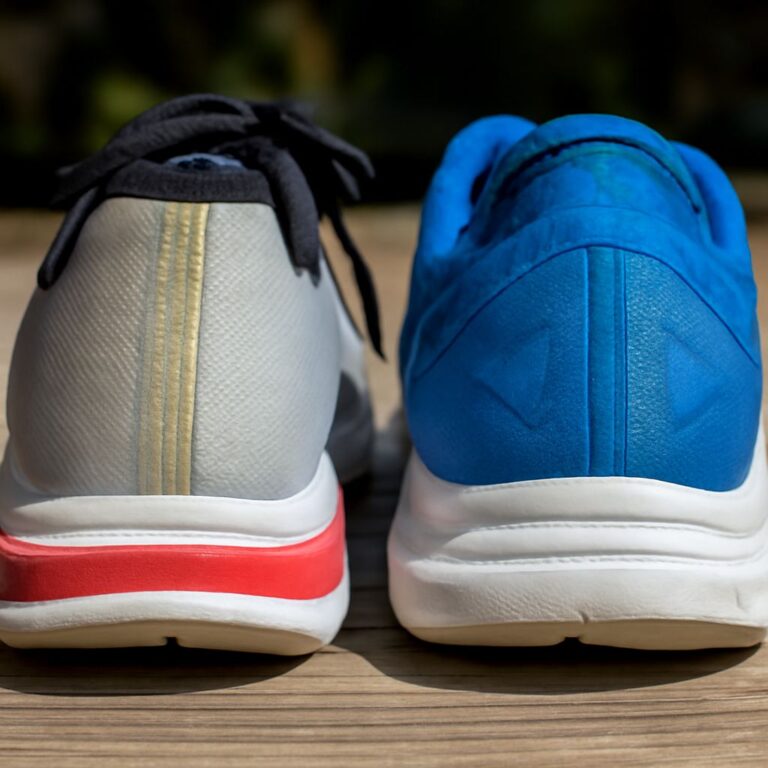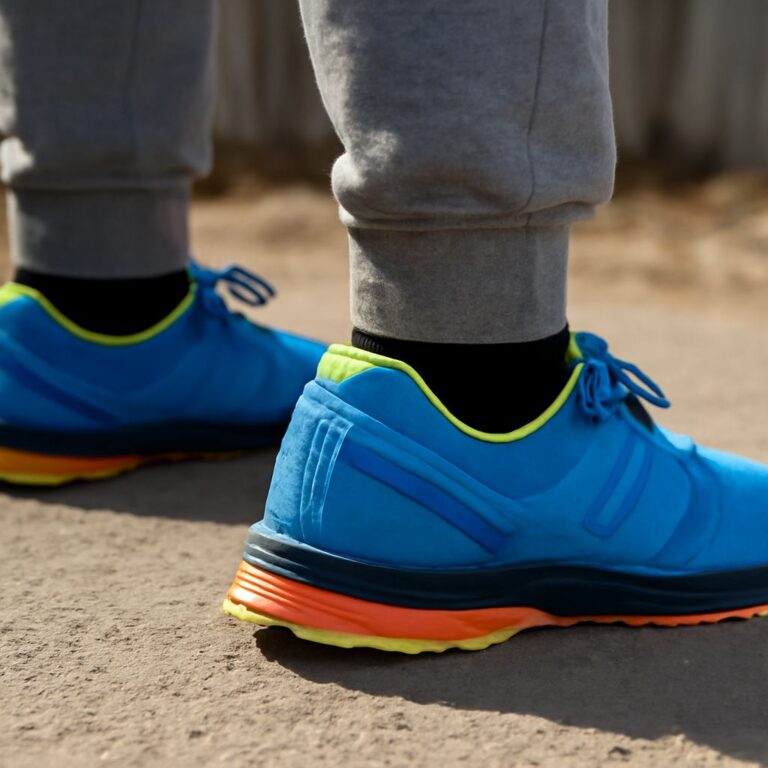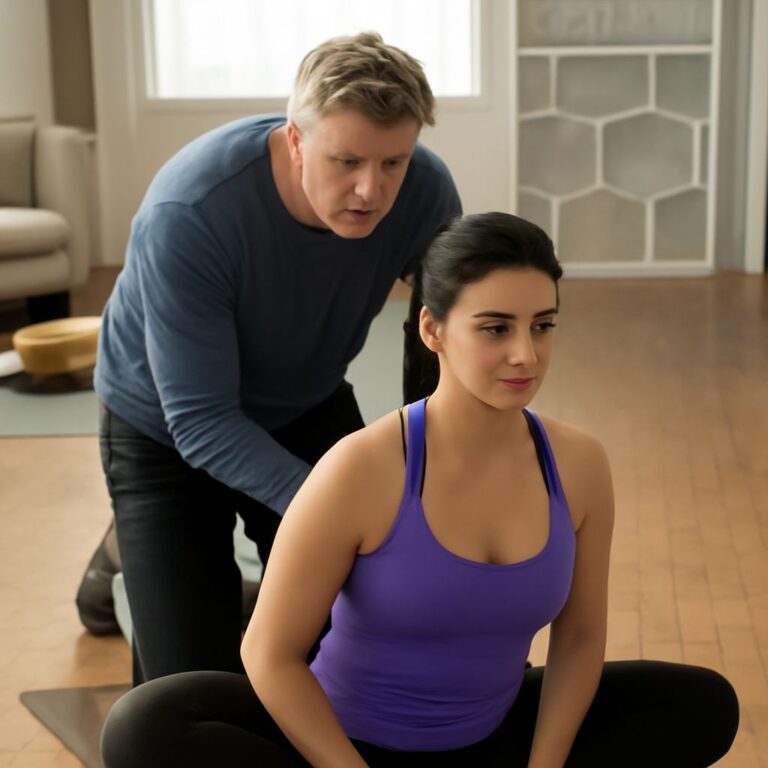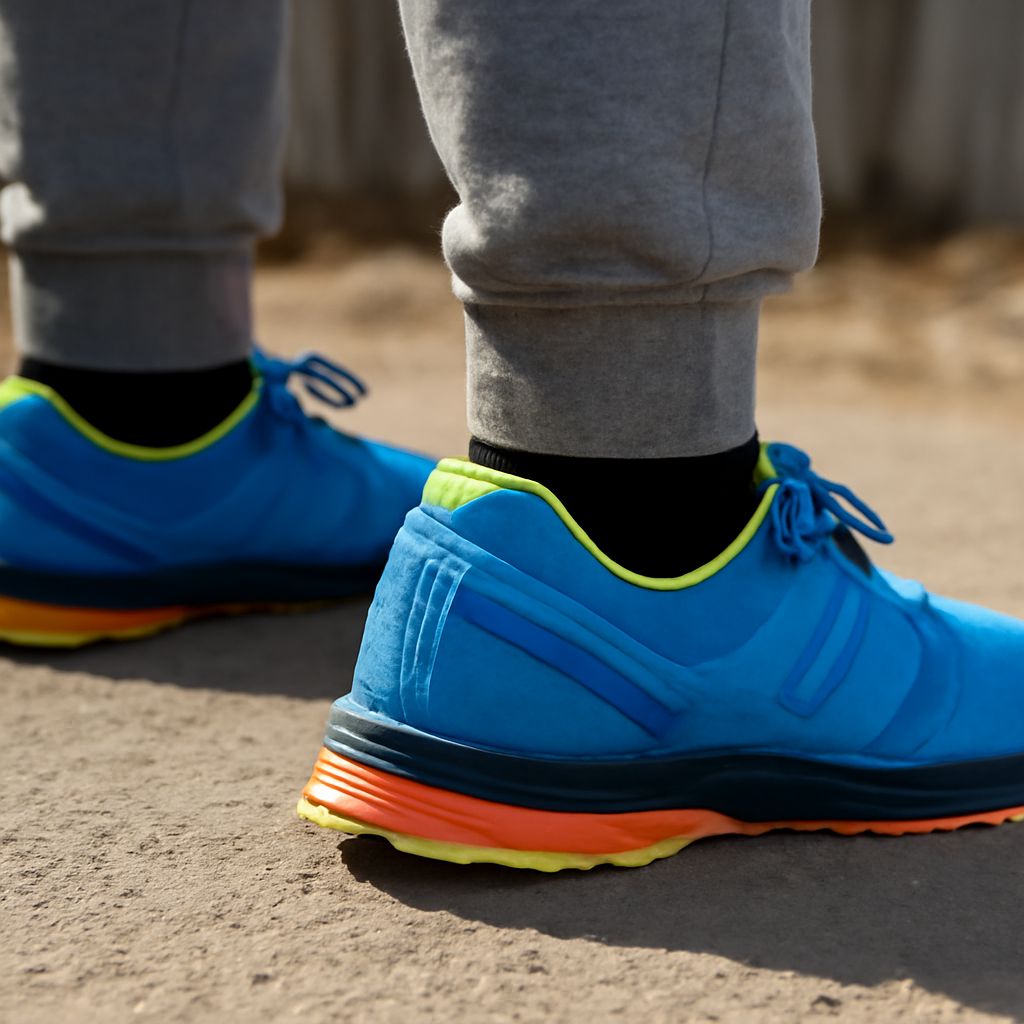
Can a thin, flexible shoe work for your runs? It can, provided its fit suits your feet and you give your body time to adapt. Shoes for barefoot-style running put less material between your feet and the ground, so the surface feels more immediate and familiar distances may place different demands on your calves and feet. Running shoes designed for natural movement vary considerably, making their construction worth examining before you buy.
Natural Running Shoes and What Makes Them Minimal
Many natural running shoes share a minimalist design that combines a thin, flexible sole with little cushioning, a low heel-to-toe drop, and room for the toes to spread. Drop is the difference in height between the cushioning under the heel and under the forefoot. A zero-drop shoe places both at the same height; it can still have a thick, soft midsole and substantial structure. Look at the whole shoe, including how easily it bends and twists, rather than judging by drop alone.
A conventional cushioned trainer generally puts more foam between the foot and ground. That foam softens the feel of the surface, while a thinner sole lets you sense changes in texture and terrain more readily. Less material also means stones and uneven ground may be more noticeable. Shoes designed for natural running and cushioned trainers each have a place: the choice depends on your comfort, route, training and tolerance for a change in footwear.
A barefoot running shoe still protects the skin from direct contact with the ground, but its thin sole has limits. For rough trails, look for a tread and outsole suited to the surface you actually use. A smooth road sole may offer less grip on loose dirt.
Find a Fit That Lets Your Foot Move
The best barefoot running shoes for you are the pair that fit securely without squeezing your toes and feel comfortable during a short test run. Try both shoes while standing, wearing your usual running socks.
- Toe room: Your toes should be able to spread and move without pressing against the sides or top. Leave roughly a thumb’s width ahead of the longest toe to allow room as the foot moves.
- Midfoot and heel: Adjust the laces until the shoe feels secure without a tight band across the top of the foot. Walk and jog a few steps; repeated heel slipping or rubbing is a reason to try another size or shape.
- Flexibility: Bend the shoe at the forefoot and gently twist it. A flexible sole should move readily, while the upper should follow your foot without bunching painfully.
- Surface protection: Match the outsole and grip to your usual route. If sharp gravel makes every step uncomfortable, try a little more underfoot protection or choose a smoother route.
Fit should feel good from the start. A new pair may feel unfamiliar, but pinching, numbness or persistent rubbing is a fit issue to address before adding distance. The best shoes for barefoot-style runs may have a wider front or a different upper shape than your current trainers, so use the brand’s size guide as a starting point and test the actual pair.
Build Exposure Gradually
Changing footwear changes the work your feet and lower legs do. A lower heel, for example, can place more demand on the calf and Achilles tendon. Treat the switch as a training change, even if you already run regularly. If you are managing a foot or lower-leg injury, discuss the change with a qualified clinician before starting.
Start with short walks in the new pair. Once those feel comfortable during the walk and the following day, replace a small portion of an easy run with a few minutes in the new shoes. Finish in your familiar pair, and leave a recovery day before the next trial. Keep the rest of your training steady while you assess the change; a new shoe, longer distance and faster workouts all at once make it harder to identify what caused discomfort.
Add time in small steps only when your feet and calves remain comfortable during the run and recover normally afterward. There is no fixed date by which every run needs to be in the new pair. You can keep alternating footwear for longer outings or rough terrain. If you are moving from a high heel drop to a low or zero drop, a moderate-drop shoe can serve as an intermediate step while you adjust.
Pay attention to localized pain, swelling, limping or discomfort that worsens as you run. Stop the session if these occur, return to comfortable activity, and seek professional advice if symptoms persist or are significant. Ordinary unfamiliar muscle fatigue should settle with recovery; it is a reason to hold the current workload steady rather than rush to add more.
Keep Your Stride Comfortable
You do not have to force a forefoot landing to use a minimalist running shoe. Run at an easy pace and notice whether your steps feel controlled and quiet. If you find yourself reaching far ahead with each foot, try shortening your stride slightly while keeping your posture relaxed. Avoid consciously running on tiptoe, which can fatigue the calves quickly.
Before your next run, check the sole thickness, flexibility and toe room of a pair you are considering, then plan a short walk or easy trial on a familiar surface. Note how your feet and calves feel that evening and the next morning before deciding when to repeat it.