Can you walk comfortably in running shoes, or do you need a separate walking pair? Many running shoes work well for walking if they fit and feel comfortable through your stride. If you run regularly, choose footwear designed for running and test it at that pace.
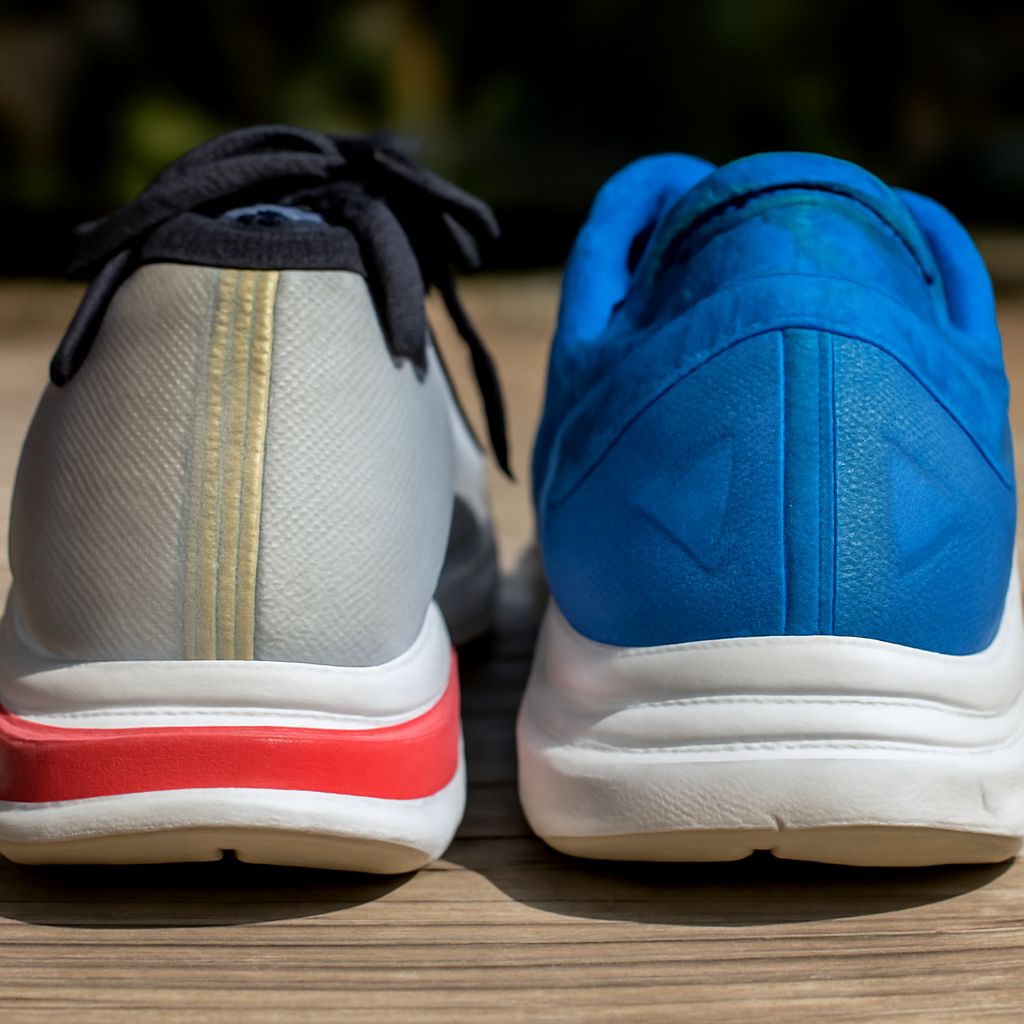
The differences between shoes made for walking and those made for running are often a matter of cushioning, flexibility and shape. Comparing a running shoe with a walking shoe is most useful when you also consider the surface, distance and movement you plan to do.
Difference between walking and running shoes: Design and movement
Walking usually keeps one foot in contact with the ground, while running includes a brief airborne phase between steps. Shoes for either activity help manage repeated contact with the ground, but their designs can emphasize different combinations of cushioning, flexibility and stability.
The difference between walking and running shoes is not a rigid rule that applies to every model. Walking shoes range from flexible athletic designs to sturdier styles for daily wear. Running shoes also vary widely, from softer, higher-cushioned models to firmer and more flexible ones. Read the details of the individual pair and try it in motion.
A running vs walking shoes comparison is a starting point for deciding what to test. If your routine includes both activities, the same pair may serve you well when it feels secure and comfortable for each. A running-specific design is a sensible first choice when running makes up a substantial part of the routine.
Cushioning and the feel underfoot
Cushioning is the material, usually in the midsole between the upper and outsole, that affects how the shoe feels when your foot meets the ground. Running models often include cushioning intended for repeated running impacts. Walking pairs may feel firmer or softer depending on their design; neither label tells you exactly how a shoe will feel.
More cushioning is not automatically more comfortable. A very soft or high sole may feel pleasant to one person and less stable to another. Walk across a firm surface and notice whether the shoe feels smooth and predictable from landing to push-off. If you plan to run, try a short jog where permitted and pay attention to the same sensations.
Flexibility and stability
As you walk, your foot bends at the ball of the foot as you push off. A shoe that accommodates that movement without pinching or forcing your stride can feel easier to wear over distance. Some running designs use stiff materials or curved soles to guide the transition forward, so do not judge flexibility only by bending a shoe in your hands. Walk or jog in it.
Stability describes how secure the shoe feels as you move. A well-fitting heel area and a platform that feels steady under your foot matter more than a product label alone. Some shoes have features intended to guide foot motion; their usefulness depends on the wearer. A wide, tall sole may feel stable for one person but awkward for another, especially on uneven ground.
When comparing running shoes vs walking shoes, look at the surface as well. A smooth road and a loose trail place different demands on traction and footing. Choose an outsole that suits where you actually go, and check that the shoe feels secure when turning as well as moving straight ahead.
Fit the pair to your feet
Fit deserves the same attention whether the label says walking or running. Sizes vary between brands and models, so use the number as a starting point. The American Podiatric Medical Association advises choosing a shoe that feels comfortable from the first try and fitting the larger foot if your feet differ in size.
Try both shoes with the socks you normally wear. Check for:
- Toe room: You can move your toes without pressure at the front or sides, including when stepping downhill.
- Heel hold: The heel feels secure without rubbing or slipping noticeably as you walk.
- Midfoot fit: The laces hold the shoe comfortably without tight pressure across the top of the foot.
- Movement: Your stride feels natural, with no pinching, hotspots or obvious shifting inside the shoe.
Feet can swell during a longer outing, so try footwear later in the day or after activity when practical. If you use an insert, test the shoe with it in place. Persistent pain, numbness or a known foot condition is a reason to ask a podiatrist for individualized advice.
Choose for the activity you do most
For regular walks, a comfortable running pair can be a practical choice, particularly if its cushioning and shape suit your stride. A dedicated walking shoe may be preferable when it fits better, gives the flexibility you like, or has an outsole suited to your usual route. Neither category guarantees the right fit.
For regular running, start with a running model and test it at your intended pace. If you alternate running and walking, try both movements before deciding; the pair should remain comfortable through the transition. Check your shoes over time for worn tread, damaged uppers or a noticeable change in how they feel underfoot.
Choose the pair that suits your predominant activity, fits both feet securely and feels comfortable while you move. If two models meet those requirements, the one you can walk or run in naturally is the better match for your routine.