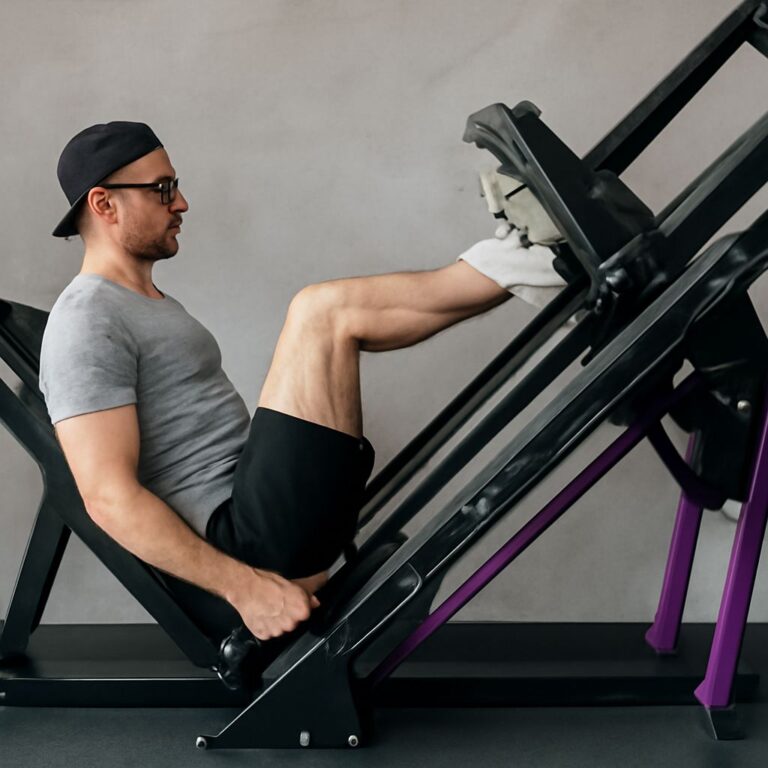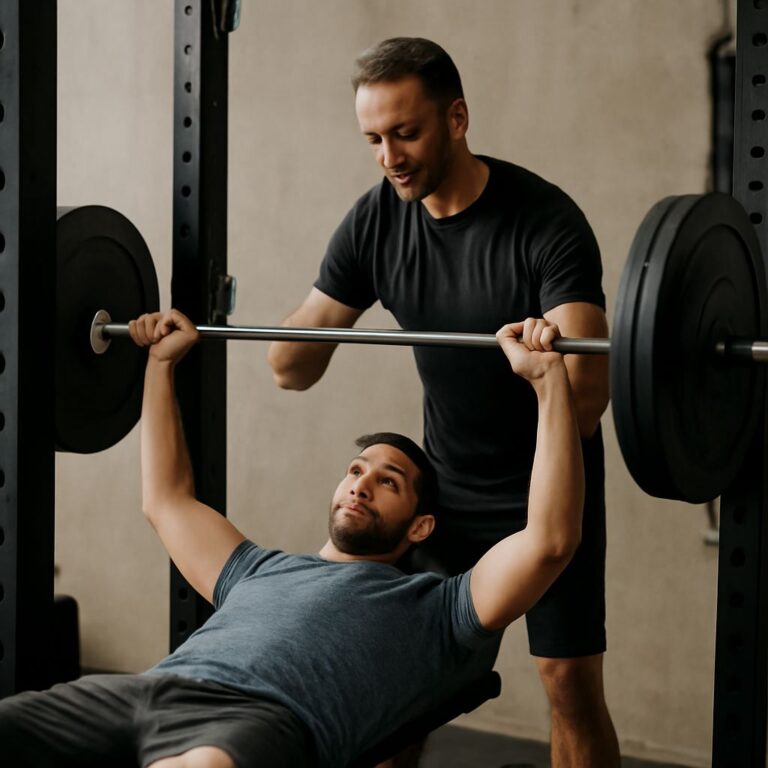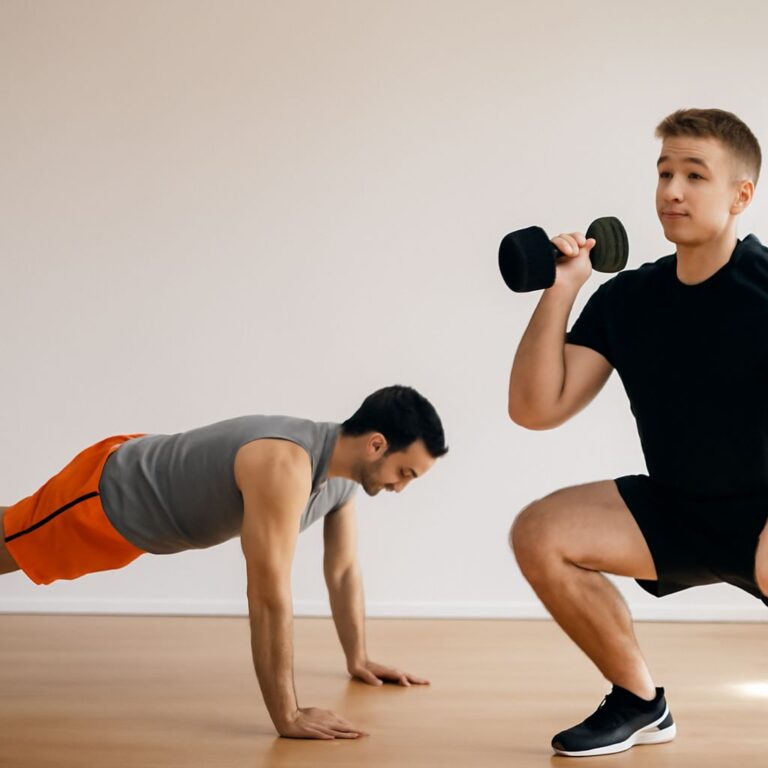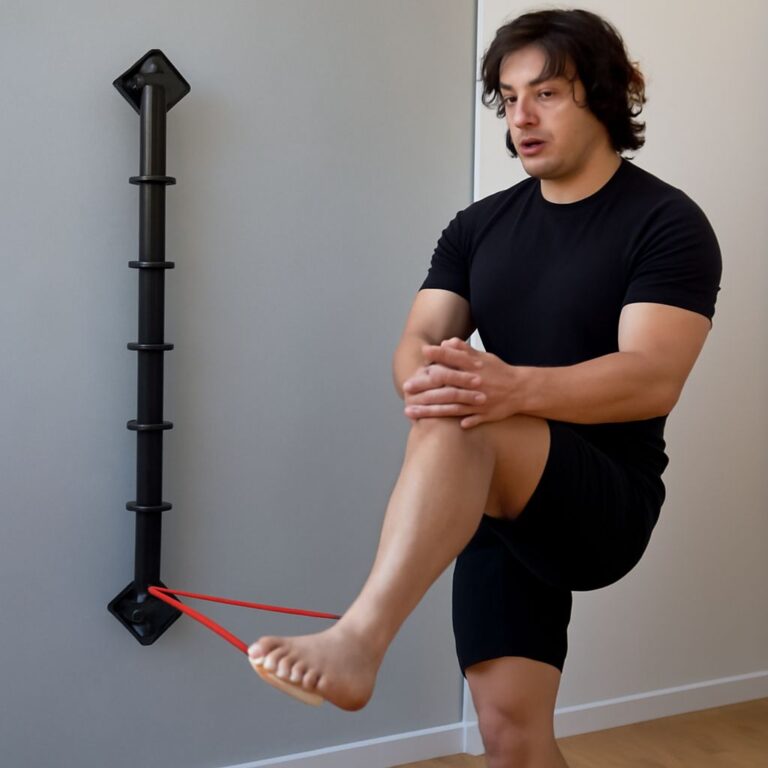
Recognizing how a muscle works as you lift and lower a weight makes it easier to choose exercises and control each repetition. An isotonic movement involves a muscle changing length as it works against resistance. In a curl, for example, the front of the upper arm works as the hand moves toward the shoulder and again as the weight comes down.
What Is Isotonic Exercise and How Does It Work?
What is isotonic exercise? Picture a controlled dumbbell curl. As you bend your elbow and lift the weight, the biceps shortens while producing force; this is the concentric phase. As you lower the weight under control, the working muscle lengthens; this is the eccentric phase. Both parts matter because the weight needs to be moved up and managed on its way down.
The term is commonly used for movements in which muscles change length while moving a load. In a strict laboratory sense, constant muscle tension has a precise meaning, but a normal repetition with a dumbbell does not keep muscle force perfectly constant throughout its range. For a practical workout, focus on moving the resistance with control rather than trying to make every inch feel equally difficult.
Resistance can come from your body weight, a dumbbell, a band or a machine. The range of motion is the distance through which a joint moves during a repetition. Start with a range you can control comfortably and increase it only when the movement remains steady. A squat to a chair, for instance, gives you a consistent depth and a clear target as you learn.
How Does It Compare With an Isometric Hold?
In an isometric hold, a muscle produces force without a visible change in the joint position. Holding a squat above a chair is an example; lowering toward the chair and standing again involve movement. Holding a dumbbell still with the elbow bent is another way to feel the difference from a curl.
Both types can appear in the same session or even the same repetition. You might pause briefly at the bottom of a squat, then stand up. The pause is a hold, while the descent and ascent involve changing muscle length. A hold can be a way to practice a position, and moving repetitions let you practice controlling the load through a range.
Movements to Try at Home
These isotonic exercise examples use ordinary equipment or body weight. Choose a stable space and begin with a level that lets you control the entire movement.
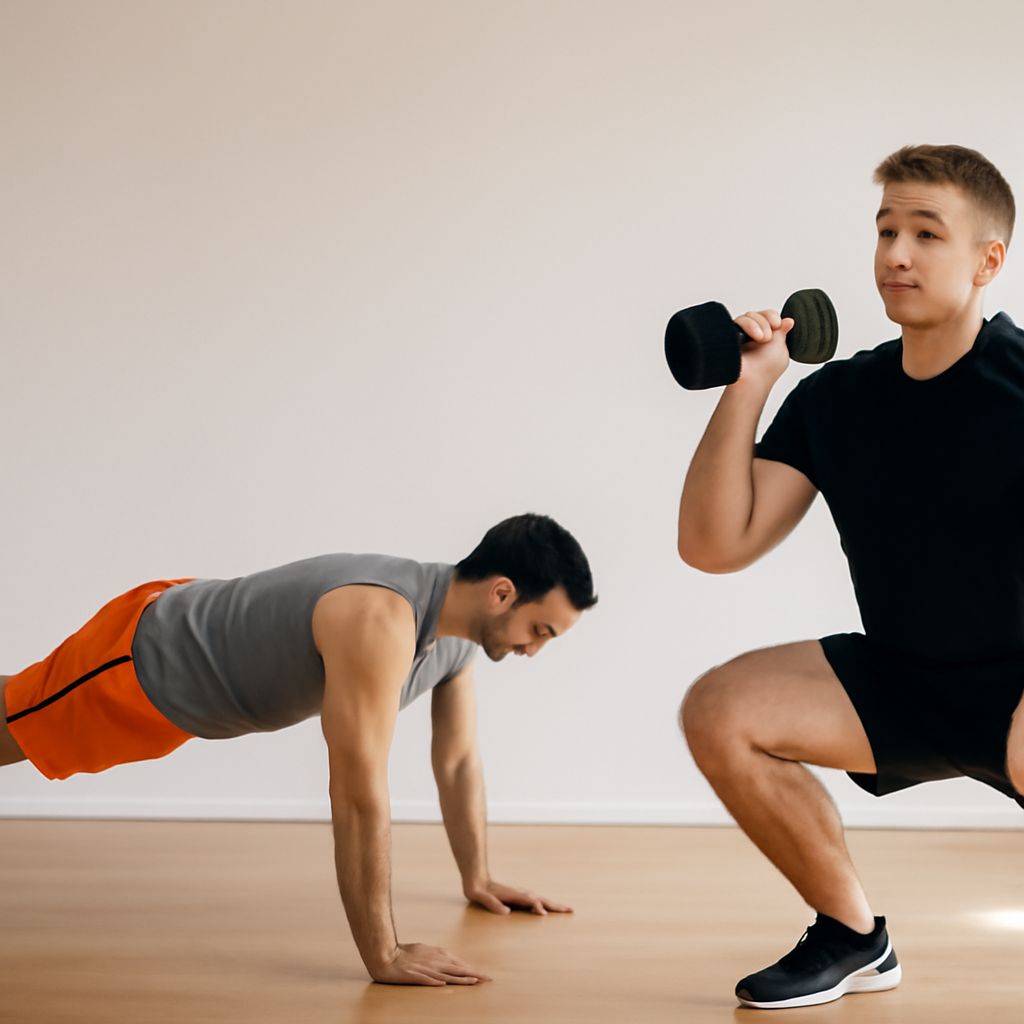
- Chair squat: Stand in front of a sturdy chair with feet about hip-width apart. Bend your hips and knees to lower toward the seat, touch it lightly, then press through your feet to stand. Keep the chair against a wall if it could slide.
- Wall push-up: Place your hands on a stable wall around chest height and step back. Bend your elbows to bring your chest toward the wall, then press away. Moving your feet closer makes the exercise easier; farther away makes it more challenging.
- Dumbbell curl: Stand with a light weight at your side and your elbow near your torso. Bend the elbow to lift, then lower slowly without swinging your body. A small water bottle can serve as a light starting load.
- Calf raise: Stand near a stable support, rise onto the balls of your feet and lower your heels with control. Use the support for balance and work through a comfortable range.
These examples of isotonic exercises cover several movement patterns rather than every muscle group. For each, breathe normally, move at a steady pace and stop if you experience sharp pain, dizziness or symptoms that concern you. If an existing injury affects your movement, ask a qualified professional how to adapt the exercise.
Put a Short Session Together
An isotonic workout can begin with a few minutes of easy walking or other gentle movement. Select two or three exercises and try one set of six to ten controlled repetitions of each. A repetition is one complete movement, such as lowering to the chair and standing again; a set is a group of repetitions performed together.
Rest long enough between sets to regain control of your breathing and technique. If you cannot keep the movement smooth, reduce the load, shorten the range or stop the set. When all repetitions feel manageable, you can add a few repetitions or another set over time. Leave recovery time between sessions that work the same muscles, especially when you are new to resistance training.
Quality is easier to judge than the size of a weight. For a curl, notice whether your torso stays mostly still and whether you can lower the load without letting it drop. For a squat, check that you can stand without collapsing into the chair. A suitable starting level leaves you able to repeat the motion with control.
Do You Need Weights to Begin?
No. Body weight and a stable chair or wall are enough to practice moving against resistance. Start with a chair squat and wall push-up; add light weights later if you want more challenge and can maintain comfortable, controlled repetitions.