A controlled press with your back supported lets your legs drive the platform through a repeatable path. If you lower it until your hips roll off the seat, the movement changes and becomes harder to control. Understanding which muscles the leg press works helps you choose a range that suits your body and the machine.
The muscles used in a seated leg press include the front of the thighs and the hips, with other muscles assisting. Foot placement and depth change how the joints move, but they do not turn the exercise into an isolated movement for a single muscle.
Seated leg press muscles worked: The main contributors
What does leg press work during a typical repetition? The seated leg press muscles worked include the quadriceps, the group at the front of the thigh, which straighten the knee and do substantial work as you push. The gluteal muscles at the back of the hip help straighten the hip. The hamstrings at the back of the thigh and the calves also contribute, though their roles differ from the main knee and hip extensors.
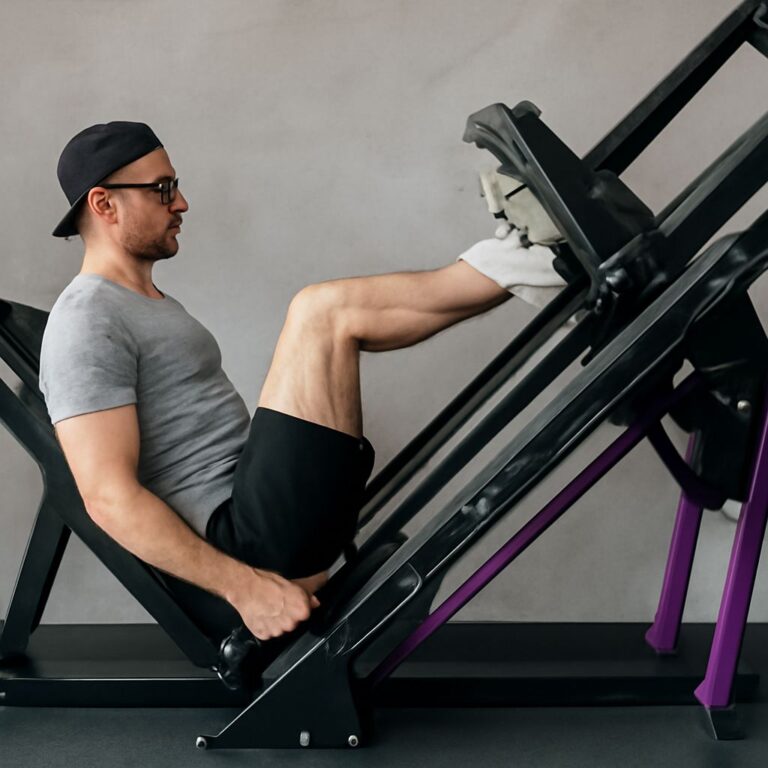
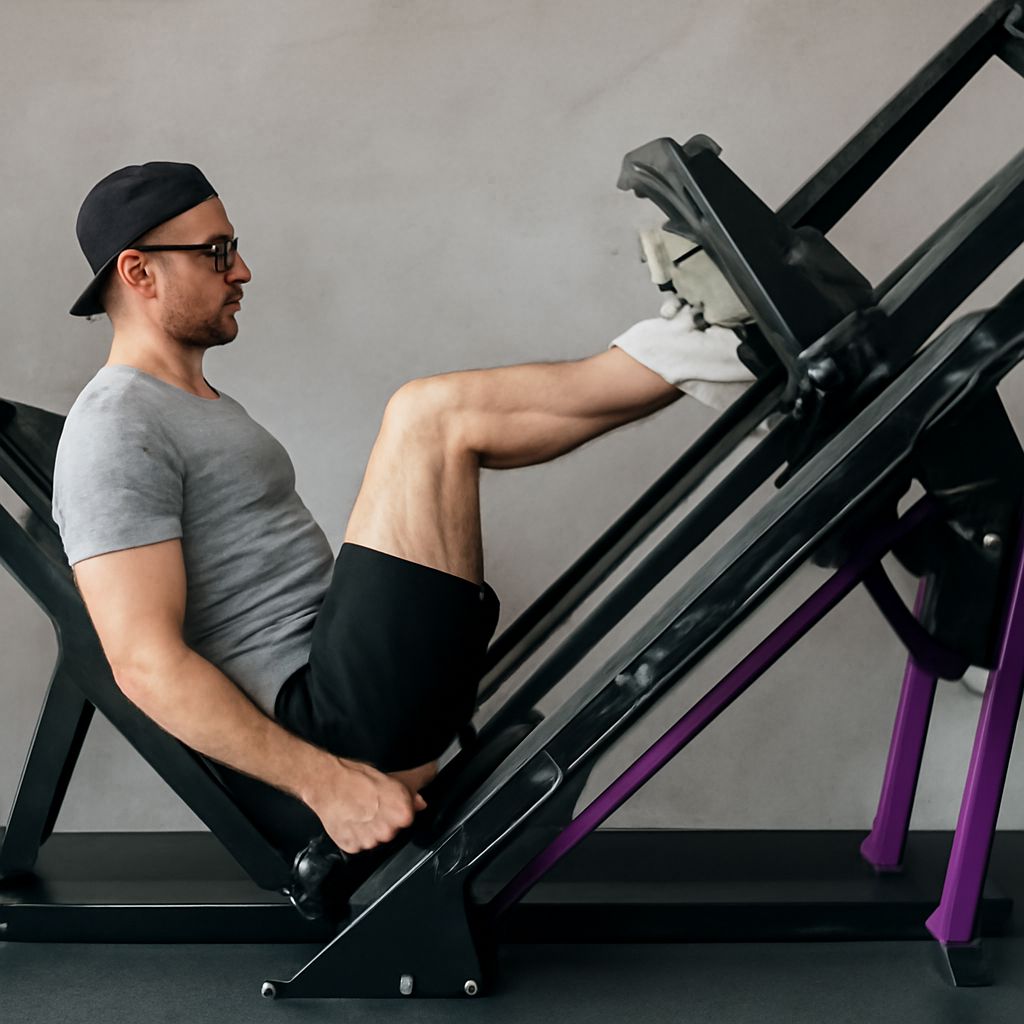
As you lower the platform, your knees and hips bend while the muscles engaged by the leg press control the load. As you press away, those joints extend. The muscles engaged in seated pressing work while the machine supports your torso and guides the path, so your main task is to control the platform with both feet while keeping your hips and back settled against the pads.
The leg press muscles used are broadly similar on a seated machine and an angled sled, although the position of the seat and direction of the load differ. Follow the machine’s setup instructions and adjust for its design rather than copying another user’s seat setting.
How foot position changes the movement
Begin with both feet around hip- to shoulder-width apart, roughly in the middle of the platform. Keep the whole foot in contact and allow the toes to point slightly outward if that helps the knees follow the direction of the feet. You should have room to bend and extend without your heels lifting.
Moving the feet higher can change the relative bend at the hips and knees and may feel more comfortable for someone whose heels lift in a lower position. A lower placement can allow more forward knee travel, but it may demand more ankle movement. Make small changes and choose a position where you can keep the soles planted and move smoothly.
A wider or narrower stance also changes the space available for your thighs and the direction your knees travel. Neither stance automatically isolates a particular muscle. A systematic review of leg press muscle activity found inconsistent evidence about the effects of changing technique, including foot position. Comfort and controlled movement are more dependable reasons to adjust your setup than a promise of targeting one small area.
Choose a controlled range
Range of motion is the distance you move from the starting position to the end of a repetition. A deeper bend generally means the muscles used for seated presses move the hips and knees through more of that range, but the useful depth is limited by the position you can maintain. Stop lowering before your pelvis rolls up, your lower back rounds away from the pad, or your heels lift. Your knees should have room to move in line with your feet.
The work done by your legs on the press depends partly on that range: very short repetitions may leave much of the available motion unused. Start with a depth you can repeat under control, then explore a little more only if your position remains stable. Do not force your thighs into your torso to reach a preset depth.
At the other end, extend the legs without snapping the knees straight or forcing them backward. Keep a small, relaxed bend if that helps you avoid locking them. Control the return instead of letting the weight pull you down quickly.
Set up and try a repetition
Use a light load while learning the machine. On some equipment the unloaded platform still has weight, so check the label or ask gym staff for help if it feels difficult to move.
- Adjust the seat so your back and hips rest against the pads and you can comfortably reach the platform. On a seated machine, a knee bend around 90 degrees can be a practical initial position if it feels comfortable.
- Place both feet on the platform, hold the handles and brace your abdomen gently. Release the safety mechanism according to the machine’s instructions.
- Press through your feet as your knees and hips straighten. Keep your heels down and your hips on the pad; breathe out during the press.
- Lower slowly until you reach the deepest position you can control without your pelvis lifting. Stop if you feel sharp pain, and ask a qualified professional for help with the setup.
- Return the platform to its supports and engage the safety mechanism before getting out.
Notice how your thighs and hips work during the press and whether both feet stay planted. Adjust the seat or foot position as needed, then try one controlled repetition within the range where your back stays supported and your knees track with your feet.