When it comes to yoga, many believe that only complex and highly flexible poses bring the ultimate benefits. However, this is not the case. The Yoga Side Plank, often overlooked, is a powerful pose that strengthens your core and enhances balance. This pose is accessible to both beginners and advanced practitioners, proving that simplicity can be incredibly effective.
Some might assume that Yoga Side Plank is merely an arm balance, yet it engages various muscle groups, offering a full-body workout. By understanding and mastering the Yoga Side Plank, you can significantly boost your yoga practice. Let’s explore the benefits, techniques, and tips to excel in this asana.
Introduction to Yoga Side Plank
The Yoga Side Plank, or Vasisthasana in Sanskrit, is a dynamic pose that emphasizes strength and stability. While it might seem intimidating at first, this asana is a foundational pose that can be tailored to fit all skill levels. Engaging your arms, legs, and core, the Side Plank fosters a sense of balance and concentration.
Benefits of Yoga Side Plank
Practicing Yoga Side Plank regularly offers numerous advantages. Firstly, it significantly strengthens the core muscles, including the obliques, which are crucial for maintaining stability and posture. Additionally, this pose enhances arm and shoulder strength, as these muscles support your weight during the pose.
Another benefit is improved balance and coordination. By focusing on maintaining the position, your body learns to stabilize itself, which is beneficial not only in yoga but also in daily activities. Lastly, the Side Plank can help reduce stress levels, as it requires concentration and mindfulness, promoting a meditative state.
Steps to Perform Yoga Side Plank
Preparation
Begin by coming into a standard plank position on your mat. Ensure your hands are directly under your shoulders, and your body is in a straight line from head to heels. Engage your core to support your lower back.
Execution
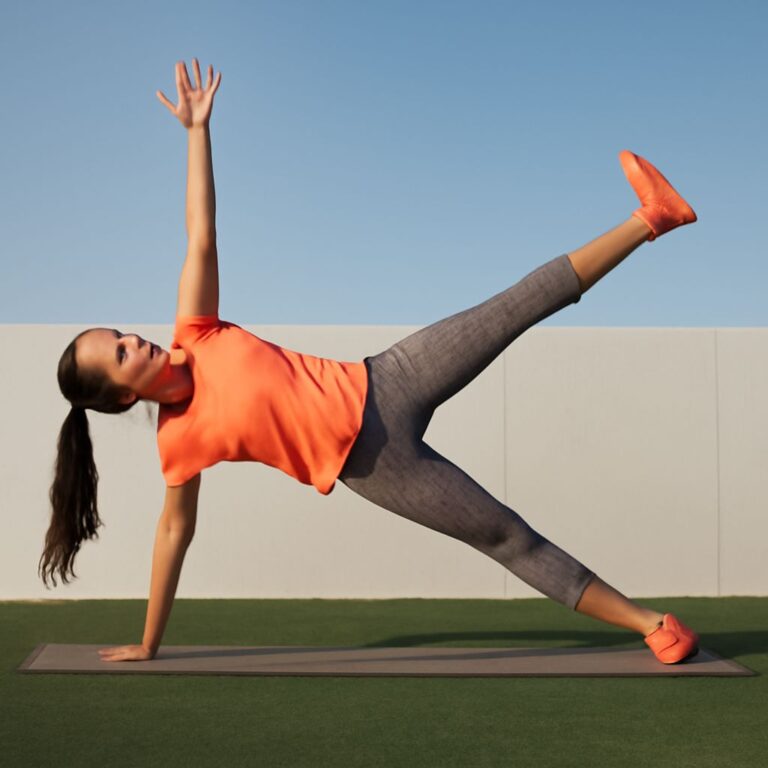
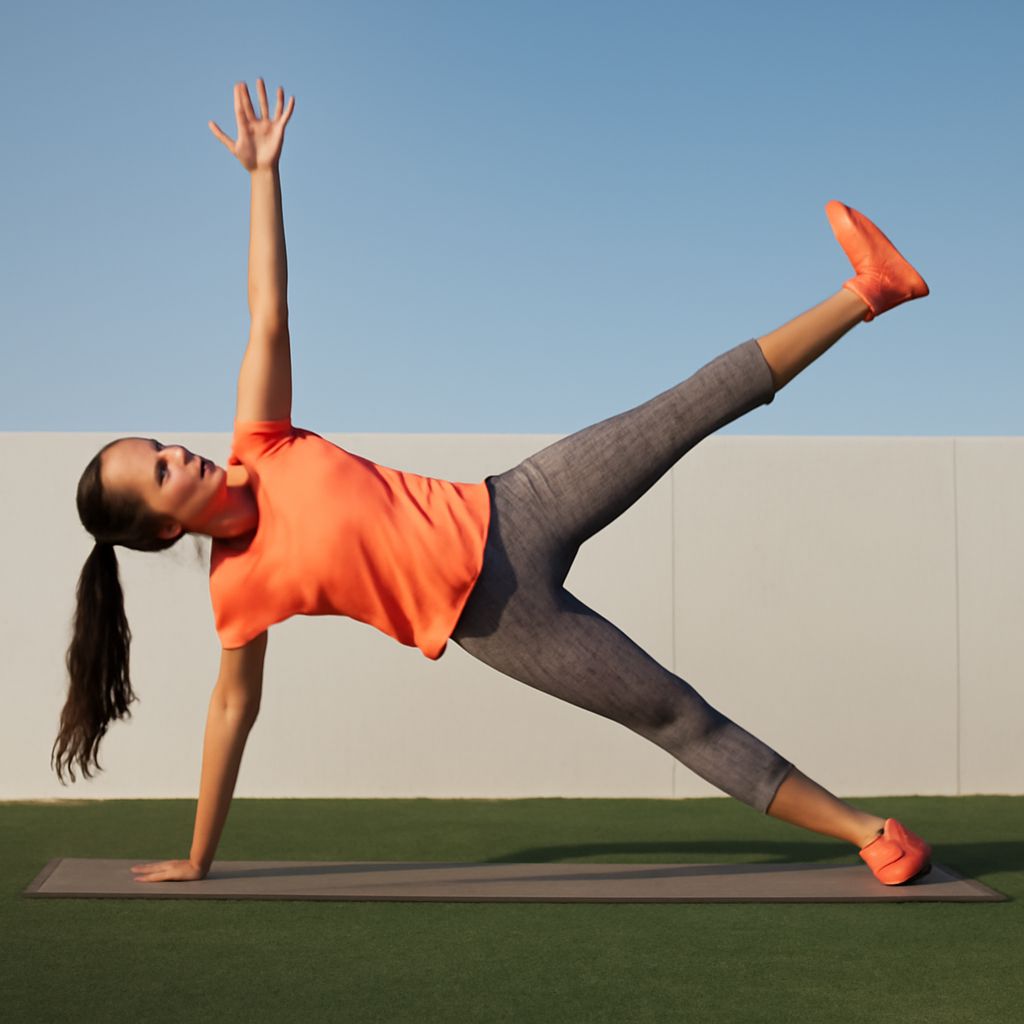
Shift your weight onto your right hand and the outer edge of your right foot. Stack your left foot on top of your right foot. Extend your left arm upwards, forming a straight line from your grounded hand to your raised hand. Keep your hips lifted and engage your abdominal muscles to maintain balance.
Common Mistakes
Avoid letting your hips sag or your shoulders hunch, as these can lead to strain. Instead, focus on creating a straight line from your head to your feet. Remember to breathe steadily; holding your breath can decrease stability and increase tension.
Tips for Beginners
For those new to the Yoga Side Plank, start by modifying the pose. You can lower your bottom knee to the floor for added support, which allows you to build strength gradually. Focus on engaging your core and keeping your alignment straight. With practice, confidence and strength will improve.
Advanced Variations
Once you feel comfortable with the basic Yoga Side Plank, you can explore advanced variations to deepen the pose. Try lifting your top leg to challenge your balance further or hold a yoga block in your raised hand to increase the intensity. Another option is to transition between Side Plank and other poses for a dynamic sequence.
Frequently Asked Questions
Can Yoga Side Plank help with weight loss? While not primarily a weight-loss exercise, Side Plank can contribute to overall fitness and calorie burning when combined with other activities.
How long should I hold the pose? Start with 15-30 seconds on each side and gradually increase as your strength and endurance improve.
Can I do Yoga Side Plank with wrist pain? If you experience wrist discomfort, consider using a fist or a yoga wedge to reduce pressure on the joint.
Can beginners try this pose? Absolutely! With modifications and practice, beginners can build the necessary strength and balance over time.
Is it necessary to practice Yoga Side Plank on both sides? Yes, practicing on both sides ensures balanced muscle development and alignment.
The Yoga Side Plank is a versatile asana that offers immense benefits for practitioners at all levels. By focusing on alignment, engaging the core, and gradually increasing difficulty, practitioners can safely enjoy the rewards of this powerful pose. Always listen to your body and adjust as needed to avoid injury and enhance your yoga journey.