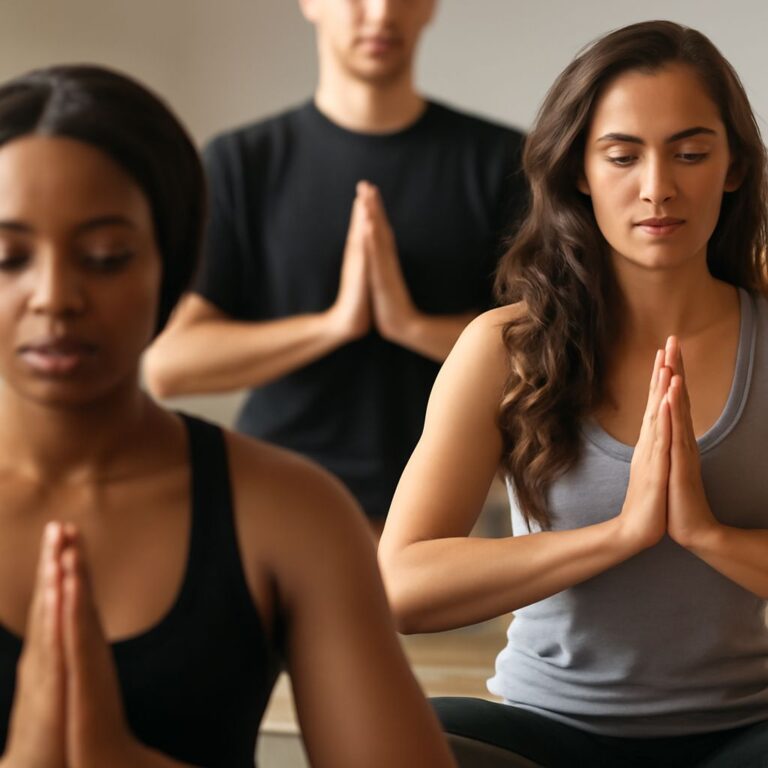
Inversion yoga poses are often shrouded in mystery and misconceptions, with many believing that only experienced yogis can practice them. Yet, anyone with proper guidance and patience can enjoy the benefits of these poses. Inversions can indeed appear daunting at first, but they are not just about achieving the perfect pose; they are about exploring new perspectives. Many practitioners find that inversion yoga poses enhance their overall strength and balance, debunking the myth that these benefits are reserved only for the elite few.
By understanding the foundational principles of inversion yoga, you can safely incorporate these poses into your regular practice. Whether you’re seeking to build balance or deepen your focus, inversion poses offer a unique opportunity to develop both physical and mental strength.
Understanding Inversion Yoga Poses
Inversion yoga poses involve positioning the heart higher than the head. This shift in perspective can bring a refreshing element to your practice, challenging both your body and mind. Common inversions include headstands, shoulder stands, and handstands. These poses vary in difficulty and offer different benefits, making them accessible to practitioners at various levels.
By gradually working through these poses, you can develop core strength and enhance your balance. The key is patience and mindful practice, allowing your body to adapt and grow stronger over time.
Benefits of Inversion Yoga
The benefits of inversion yoga extend beyond physical strength. Practicing inversions can improve circulation and stimulate the lymphatic system, aiding in detoxification. Additionally, the focus required to maintain these poses fosters mental clarity and concentration.
Moreover, inversion yoga poses build confidence. Overcoming the fear of being upside down leads to a profound sense of accomplishment. This empowerment often translates into other areas of life, encouraging a more confident approach to challenges.
Popular Inversion Poses
Headstand
The headstand is often considered the king of all yoga poses. It requires both strength and balance, engaging the core and shoulders while demanding mental focus. Beginners should practice against a wall to build confidence and proper alignment.
Shoulder Stand
In a shoulder stand, the body is supported by the shoulders while the legs extend upward. This pose not only enhances balance but also stretches the neck and shoulders. Practicing this pose regularly can improve posture and relieve tension.
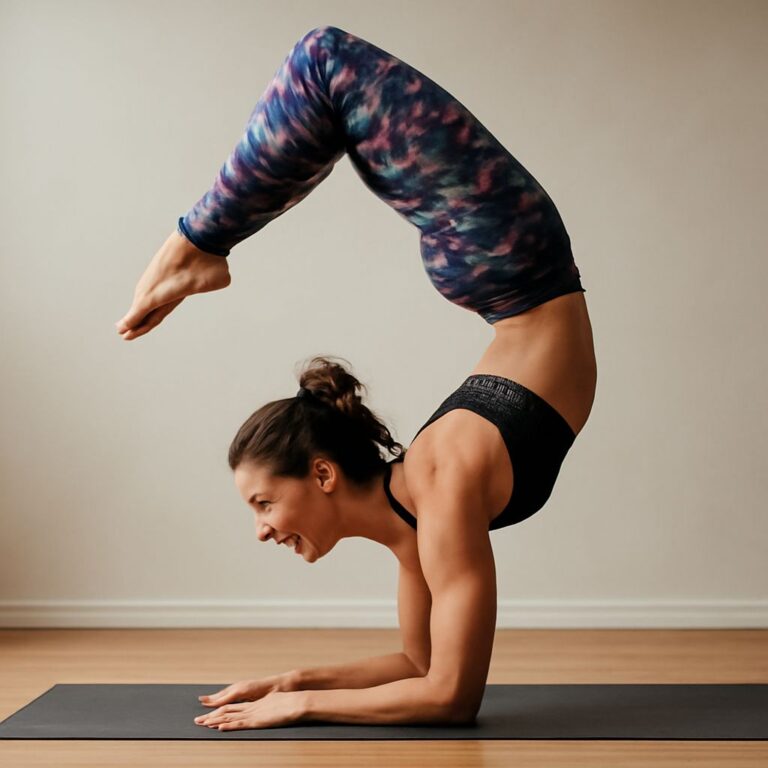
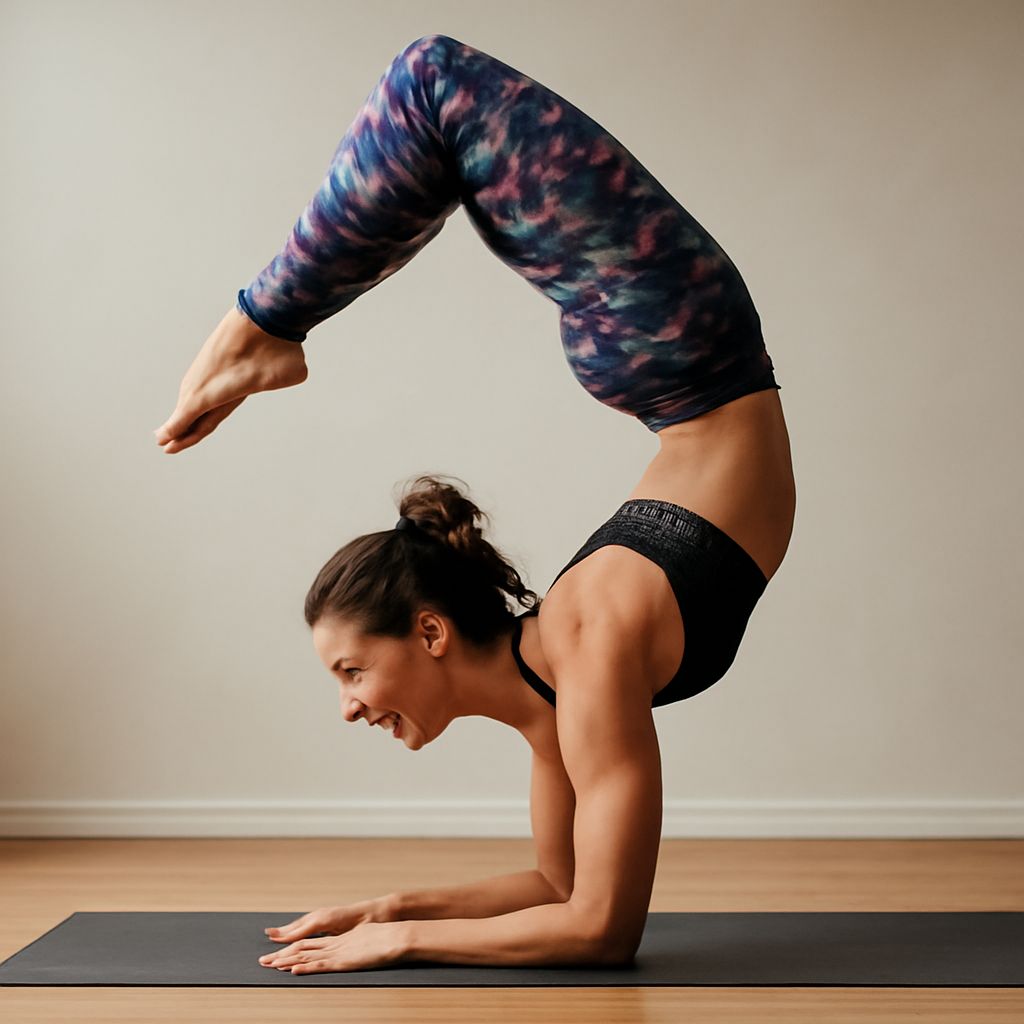
Forearm Stand
The forearm stand is a challenging inversion that relies on upper body strength and core stability. This pose encourages practitioners to focus on alignment and breath, providing a full-body workout that enhances overall strength and coordination.
Safety Tips for Practicing Inversions
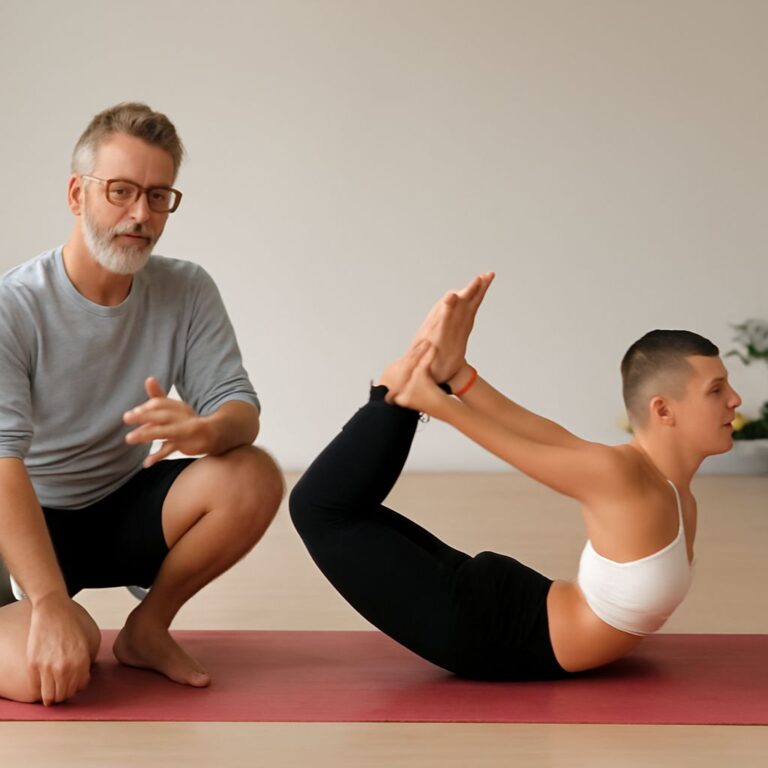
Safety is paramount when practicing inversion yoga poses. It’s essential to warm up the body with preparatory poses before attempting inversions. Engage your core and maintain proper alignment, keeping the neck and spine safe. Utilize props or the wall for additional support if needed.
Always listen to your body and avoid pushing past your limits. Rest and modify poses as necessary to prevent injury. Consider working with a qualified instructor who can provide personalized guidance and adjustments.
Integrating Inversions into Your Routine
To integrate inversions into your yoga routine, start by incorporating beginner-friendly poses. Gradually build strength and confidence before attempting more advanced inversions. Consistency is key, as regular practice will help you develop the necessary skills.
You can also pair inversions with other poses that enhance strength and balance, such as planks or warrior poses. This holistic approach ensures a well-rounded practice and supports overall wellness.
Key takeaways: Inversion yoga poses offer countless benefits, from enhanced strength and balance to improved mental clarity. By understanding and safely practicing these poses, you can integrate them into your routine for a more robust and fulfilling yoga practice.