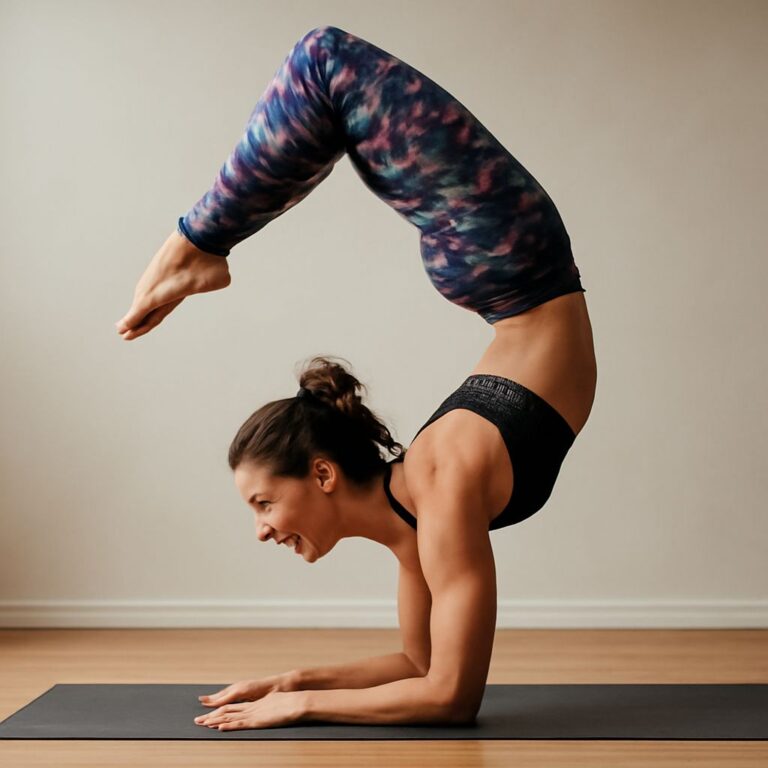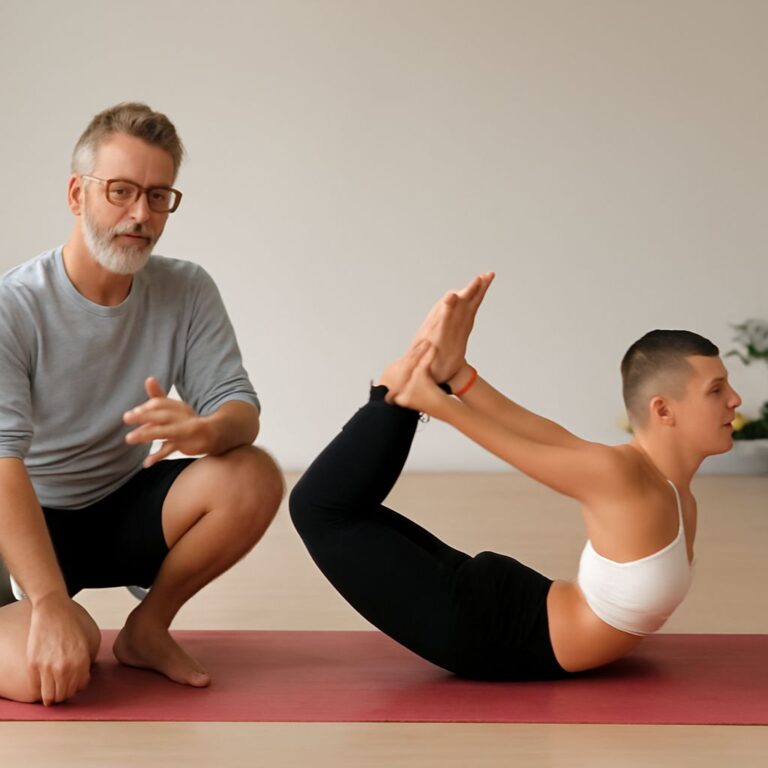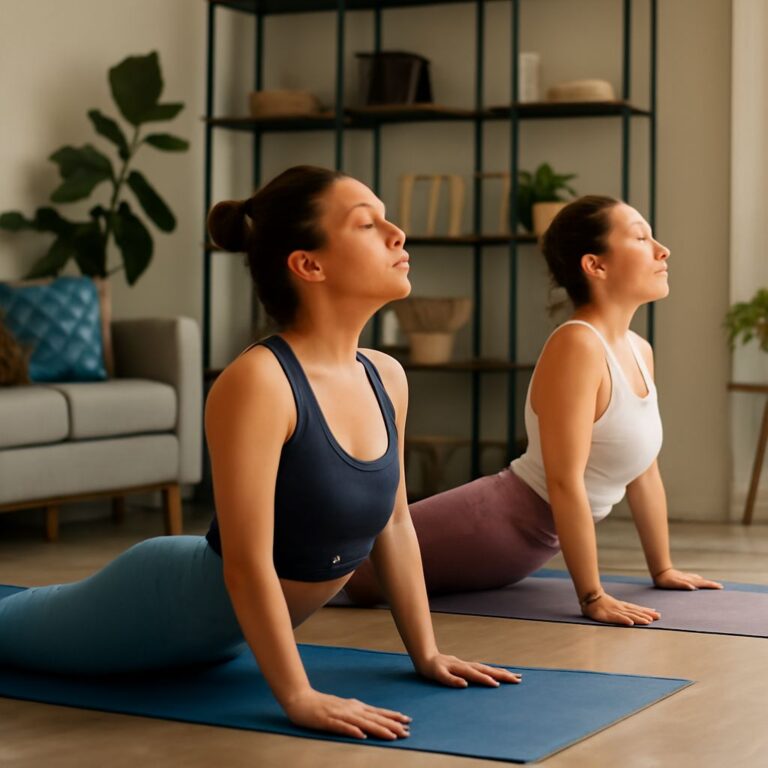
When you think of yoga, you might imagine serene stretches and meditative breathing. However, balancing yoga poses can seem intimidating, conjuring images of wobbly stances and falls. While it is true that achieving stability on one leg is a challenge, the myth that you need to be naturally flexible or strong to start is just that—a myth. Balancing yoga poses for beginners offer a gradual approach to enhancing your stability and strength, allowing anyone to embark on this journey, regardless of their current fitness level.
Many beginners worry that balancing yoga poses require an innate equilibrium. In reality, these poses are designed to build, not test, your balance skills. By incorporating balancing postures into your routine, you can progressively enhance your focus, muscle control, and overall well-being. Let’s dive into the benefits and proper practice methods to safely enjoy these transformative poses.
Benefits of Balancing Yoga Poses
Incorporating balancing poses into your yoga routine can significantly enhance your physical and mental health. First, these poses improve stability by engaging your core and lower body muscles. The act of maintaining a balancing position requires your muscles to work together, fostering strength and coordination. Partial use of balancing poses in your practice can gradually build a stronger, more resilient physique.
Mental focus is another area where these poses excel. Balancing postures necessitate concentration, redirecting your mind’s attention inward. This mental engagement can lead to improved mindfulness, a key component of yoga practice. By focusing on the present moment, you cultivate mental clarity and reduce stress.
Additionally, balancing poses can aid in enhancing proprioception, your body’s awareness of its position in space. This increased awareness can extend beyond the yoga mat, positively impacting daily activities and reducing the risk of falls or injuries. Through consistent practice, your sense of balance is refined, fostering greater body confidence.
With these benefits in mind, it’s clear why incorporating balancing yoga postures is beneficial for both novice and seasoned practitioners. They provide an opportunity to unify body and mind, promoting overall health and well-being.
How to Practice Balancing Yoga Poses Safely
Understanding how to practice balancing yoga poses safely is crucial for avoiding injuries and maximizing benefits. Begin by selecting a quiet space free of distractions. This environment will help you concentrate and maintain your equilibrium. Before starting any pose, ensure your body is adequately warmed up, as cold muscles are more prone to strain.
Start with beginner-friendly poses, such as Tree Pose or Warrior III. These foundational postures offer a gentle introduction to balancing yoga poses by emphasizing alignment and control. As you progress, gradually incorporate more complex poses, paying attention to your body’s signals.
Utilize props, like blocks or a chair, to support your practice. These tools can assist beginners in achieving correct alignment, reducing the risk of overextension or imbalance. As your confidence grows, you can slowly wean off these aids, allowing your body to naturally adapt and strengthen.
Practicing balancing yoga requires patience. If you waver or fall, refrain from self-criticism. Each attempt is a step towards improvement, and even seasoned yogis experience wobbles. Persistence and patience are your allies on this journey.
Finally, focus on steady, mindful breathing. By synchronizing your breath with movement, you can enhance concentration and relaxation. Breathing deeply helps to maintain internal balance, essential for sustaining equilibrium in challenging postures.
Safety recap: When practicing balancing yoga poses, prioritize using props and warming up properly. Focus on controlled movements and mindful breathing to prevent strain and enhance your experience on the mat.