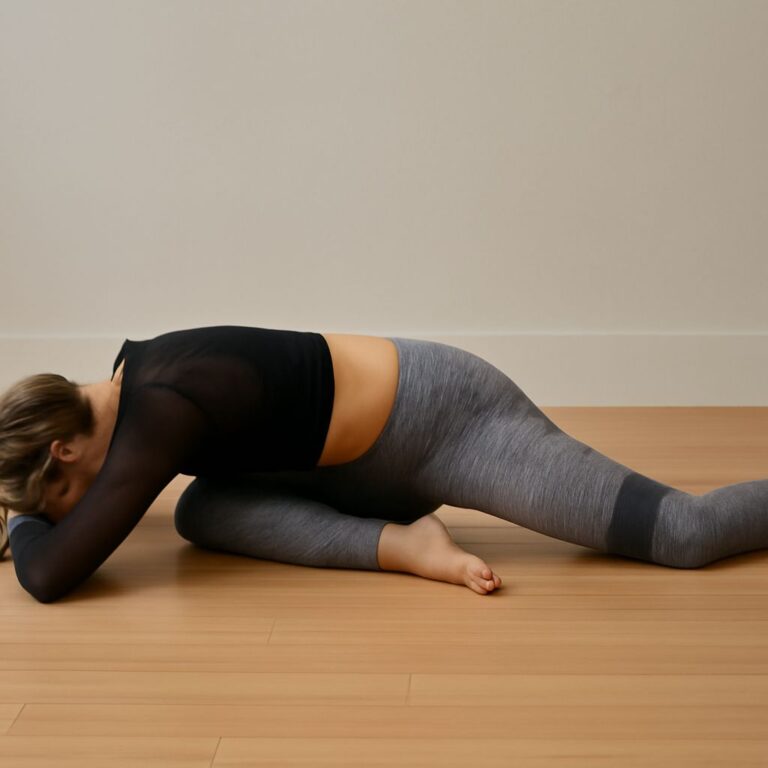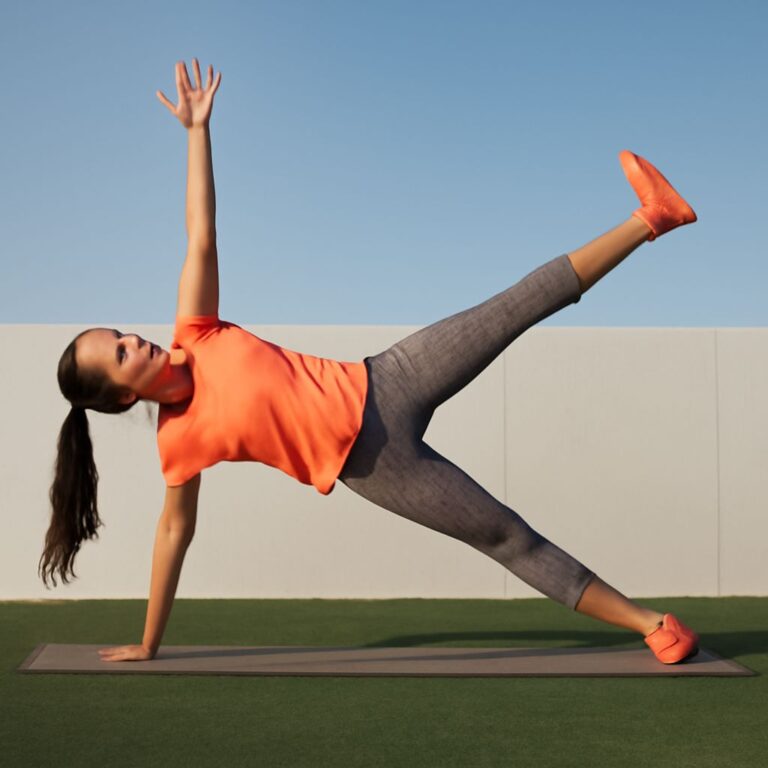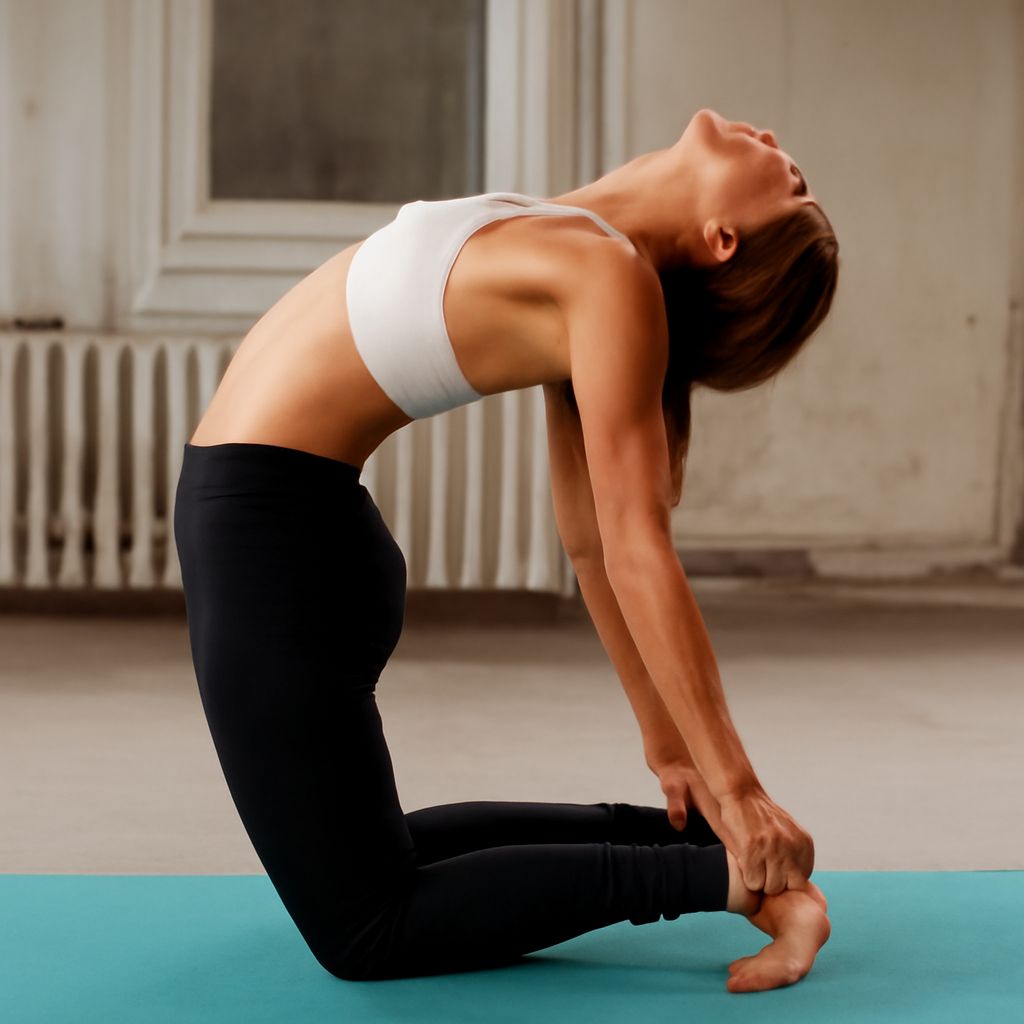
Many people associate yoga with flexibility and relaxation, but when it comes to addressing specific muscular issues, the practice holds deeper therapeutic benefits. One such area of focus is the psoas muscle. Often misunderstood, the psoas is more than just a muscle that aids in physical movement; it’s integral to our emotional well-being. Psoas release yoga encompasses a series of poses designed specifically to target and relax this essential muscle.
Despite its importance, misconceptions about the psoas muscle abound. Some believe it is only important for athletes or those with a highly active lifestyle. In reality, the psoas impacts everyone, influencing our posture, core stability, and even stress levels. Understanding the role of the psoas can unlock significant health benefits, allowing for greater flexibility and reduced tension. Let’s delve deeper into the workings of this pivotal muscle and explore the benefits of targeted yoga practices.
Understanding the Psoas Muscle
The psoas is a lengthy muscle located deep within the core, connecting the spine to the femur. It is crucial for maintaining an upright posture and plays a vital role in movements like walking and running. Beyond physical activity, the psoas is also a key player in emotional health. Chronic tension in this muscle is often linked to stress and anxiety, making its release vital for overall well-being.
When the psoas is tight, it can lead to lower back pain, pelvic discomfort, and even digestive issues. Releasing this muscle through specific yoga poses can enhance flexibility and promote peace of mind. By bringing awareness to the psoas, individuals can address both physical discomfort and emotional tension.
Benefits of Psoas Release Yoga
Psoas release yoga offers a myriad of benefits that extend beyond simple physical relief. By incorporating these practices into your routine, you can experience enhanced flexibility, improved posture, and greater core stability. The gentle stretching of the psoas muscle helps alleviate lower back pain and reduces tension in the hips.
Moreover, the emotional benefits are profound. Releasing stored tension in the psoas can lead to a noticeable decrease in stress levels, fostering a sense of calm and relaxation. This therapeutic practice supports mental clarity and emotional balance, making it a valuable addition to any wellness routine.
Effective Psoas Release Yoga Poses
Reclined Psoas Stretch
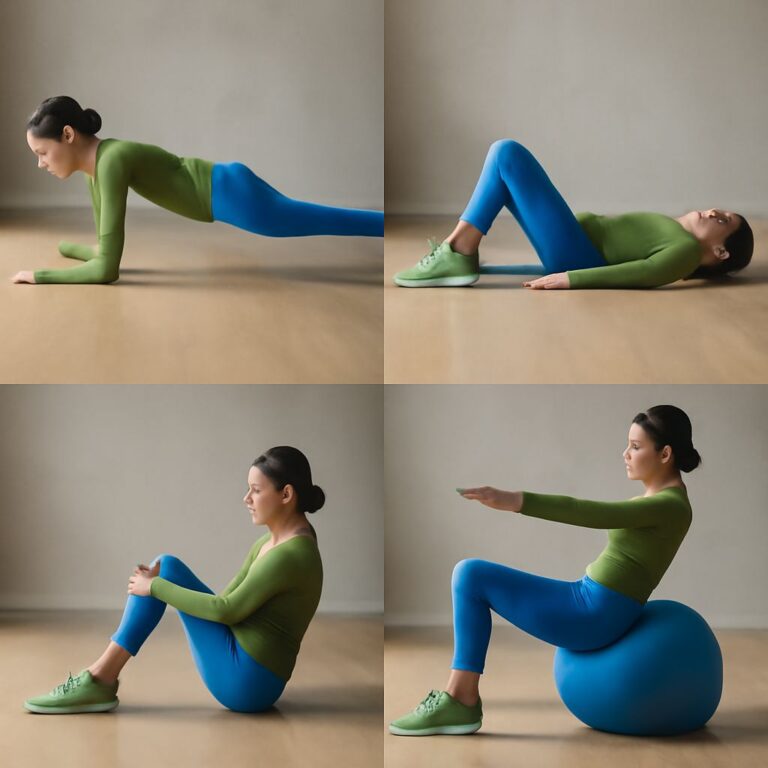
Begin by lying flat on your back with your legs extended. Gently bring one knee towards your chest, keeping the other leg straight on the floor. Hold this position for a few breaths, feeling the stretch along your hip and lower back. This pose helps in releasing tension in the psoas, promoting relaxation.
Pigeon Pose
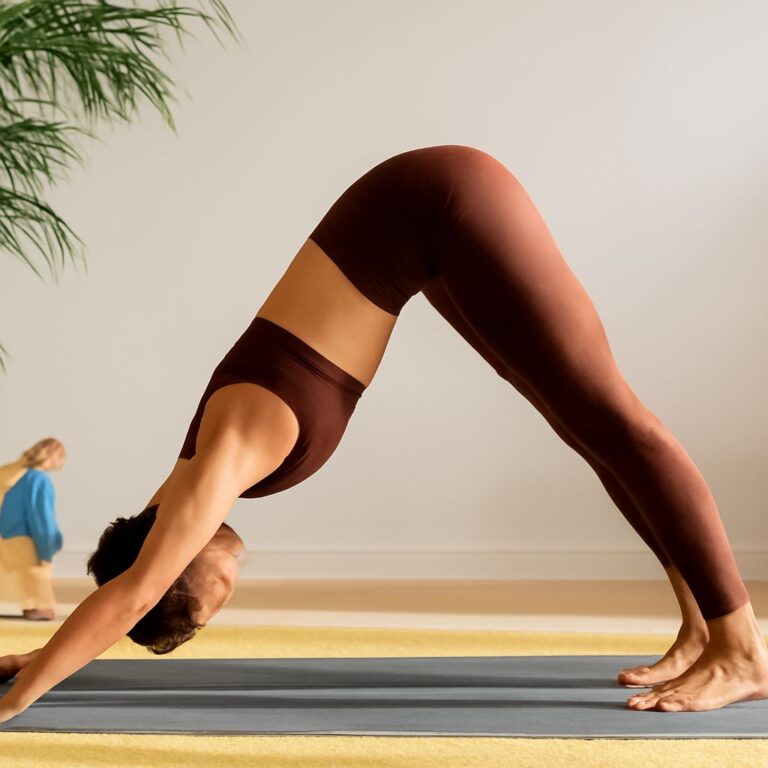
Pigeon pose is ideal for opening the hips and stretching the psoas. Start in a downward dog position, then bring one leg forward, placing the knee near your wrist. Extend the opposite leg straight behind you. Lean forward to deepen the stretch, mindful of any discomfort. This pose is effective in enhancing flexibility and reducing hip tension.
Bridge Pose
Lie on your back with your knees bent and feet flat on the ground. Lift your hips towards the ceiling, keeping your shoulders grounded. This pose not only strengthens the core but also facilitates the gentle release of the psoas muscle. It aids in improving posture and core stability.
Tips for Safe Practice
While practicing psoas release yoga, it is crucial to listen to your body. Avoid pushing yourself into discomfort. Use props like yoga blocks or cushions for support if needed. Always warm up before diving into deeper stretches to prevent injury.
Consistency is key. Regular practice will yield better results than sporadic sessions. It’s also beneficial to combine yoga with mindfulness techniques, such as deep breathing or meditation, to enhance the therapeutic effects.
Conclusion
Psoas release yoga offers a holistic approach to improving both physical and emotional health. By integrating these targeted poses into your routine, you can significantly enhance flexibility, reduce stress, and cultivate a sense of balance. Remember, the journey is personal; adapt the practice to suit your needs and listen to your body’s signals.
Safety Recap: Always prioritize safety and comfort in your practice. Use props for support and consult a yoga professional if you experience persistent discomfort. A mindful, gradual approach ensures both effective and safe psoas release.