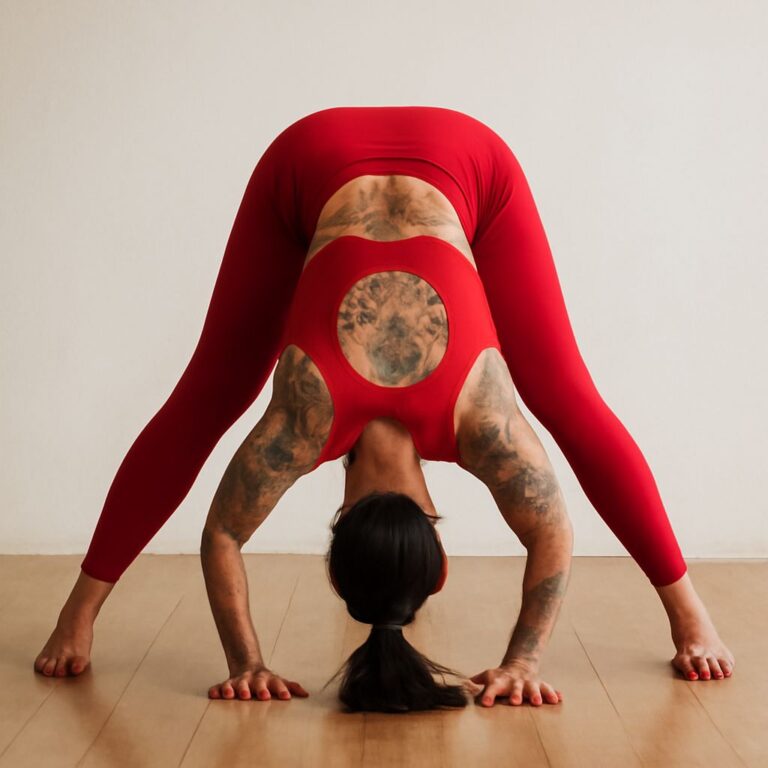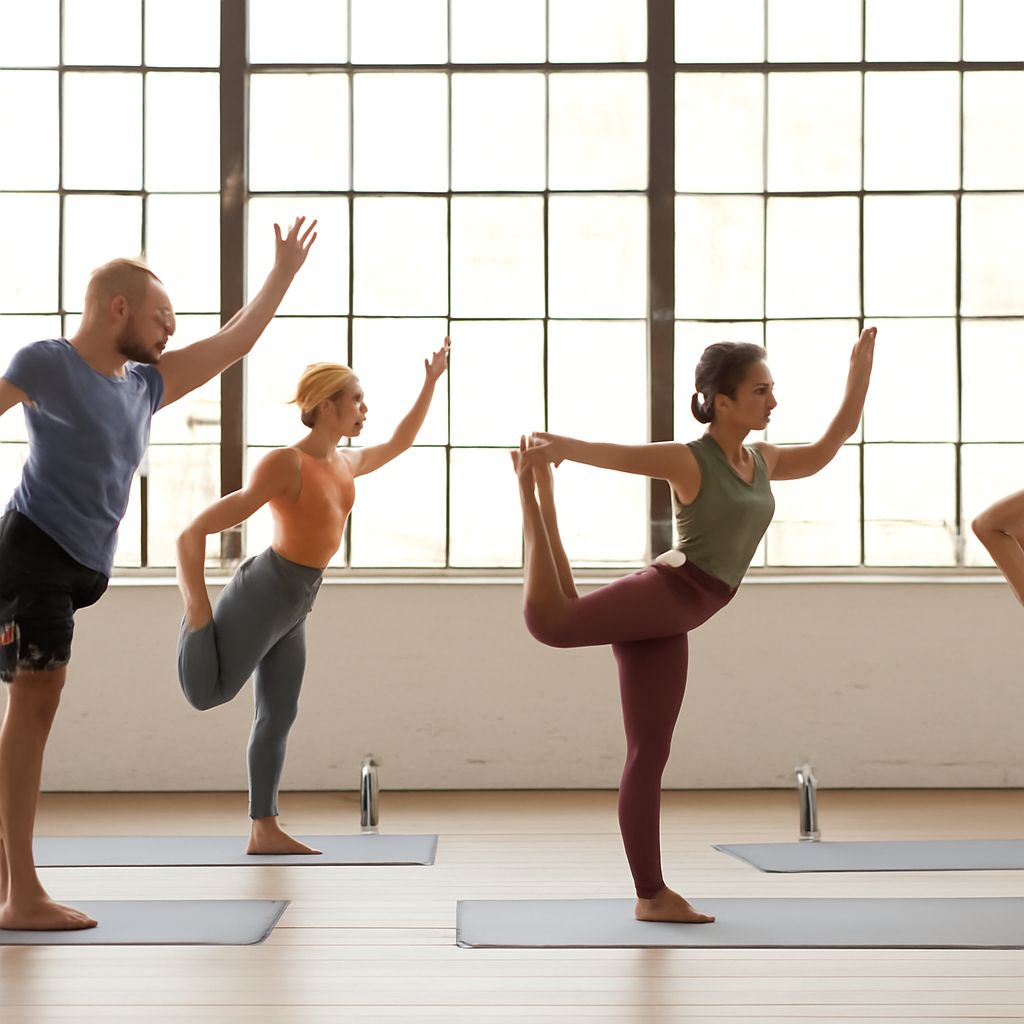
A beginner who wants time to learn each pose may prefer a slow, guided session, while someone familiar with the movements may enjoy a flowing sequence with fewer pauses. Yoga lessons delivered online can suit either person, but the pace and amount of explanation will make the experience quite different.
When comparing classes for yoga online, look beyond the title and length. The right choice gives you instructions you can follow, movements that fit your current ability, and a way to get feedback when you need it.
Yoga classes online: Start with your goal and level
When choosing yoga classes online, decide what you want from the session: a gentle introduction, a more active sequence, or time to slow down and stretch. A beginner class should explain how to enter and leave poses, offer simpler versions, and leave enough time to try them. An “all levels” label alone does not tell you how much instruction a class includes, so review the description or preview before committing.
Styles offer a starting point for narrowing the options:
- Hatha classes often spend time on individual poses and breathing. A beginner-focused session may give you room to learn the basics.
- Vinyasa generally links poses in a sequence. The pace varies, so check whether the teacher explains transitions or expects you to know them.
- Restorative sessions typically use supported poses held for longer periods. They may suit a quieter practice and often require props.
- Chair yoga adapts movements around a chair and can be a practical option when getting up and down from the floor is difficult.
These labels describe broad approaches, not a fixed difficulty. The best online yoga classes for you are the ones whose actual instruction, intensity and schedule match your needs. A slow class can still be challenging if it holds positions for a long time; a flowing class can be accessible when its teacher demonstrates options clearly.
Check how the teacher demonstrates
Preview several minutes of a lesson if possible. Can you see the teacher’s whole body during standing and floor poses? Can you hear instructions without straining? A clear view of transitions matters because you may need to look at the screen briefly before trying a movement yourself.
Listen for concrete cues: where to place the hands and feet, how to move into a pose, and when to ease out. Helpful teachers describe an easier version as part of the lesson, such as bending the knees or using a block to bring the floor closer. They also allow time to settle into a position instead of moving on before you have understood it.
When you learn yoga online, you may miss the individual adjustments available in a studio. Check the instructor’s training and experience, especially with beginners or with a particular need you have. If you have an injury, health condition, or are pregnant, discuss suitable activity with your health care provider and the teacher before starting. The National Center for Complementary and Integrative Health recommends qualified guidance and appropriate modifications.
Compare live and recorded formats
A recorded session lets you pause, replay a demonstration and practice at a convenient time. It can work well if you want to repeat a short lesson until the sequence feels familiar. The teacher, however, cannot see what you are doing or answer a question during playback.
A live session follows a schedule and may allow questions or individual feedback. Before booking a yoga class online, ask whether the teacher actually watches participants, how large the group is, and whether your camera must be on. A live broadcast with hundreds of viewers may offer little personal attention even though it happens in real time.
If feedback is important, look for a small interactive class or an introductory private session. Ask whether you can explain a concern before class and whether the teacher can suggest alternatives during practice. An in-person lesson can also help you learn a setup before following recordings at home.
Prepare your space and equipment
Read the equipment list before the trial. A nonslip mat, enough room to extend your arms and legs, and a screen you can see from standing and floor positions are practical basics. Some classes use blocks, straps, blankets or a bolster; check whether the teacher suggests household substitutes and demonstrates how to use them. A sturdy chair should stay stable on the floor.
Consider the total cost as well as the advertised price: a subscription may renew automatically, while a single class may include only limited replay access. Check the schedule, trial period and cancellation terms before entering payment details.
Judge a trial by what you can follow
To find the best yoga online for your routine, try a short class at the level you selected. Notice whether you can understand the instructions without constantly twisting to watch the screen, whether the pace leaves time to set up, and whether the suggested alternatives work for you. Pause or rest when needed; stop if a movement causes sharp pain.
Afterward, ask yourself if the session fits the time and space you can use regularly. Choose a class that matches your level, moves at a pace you can follow, and offers the feedback you need to practice with confidence.