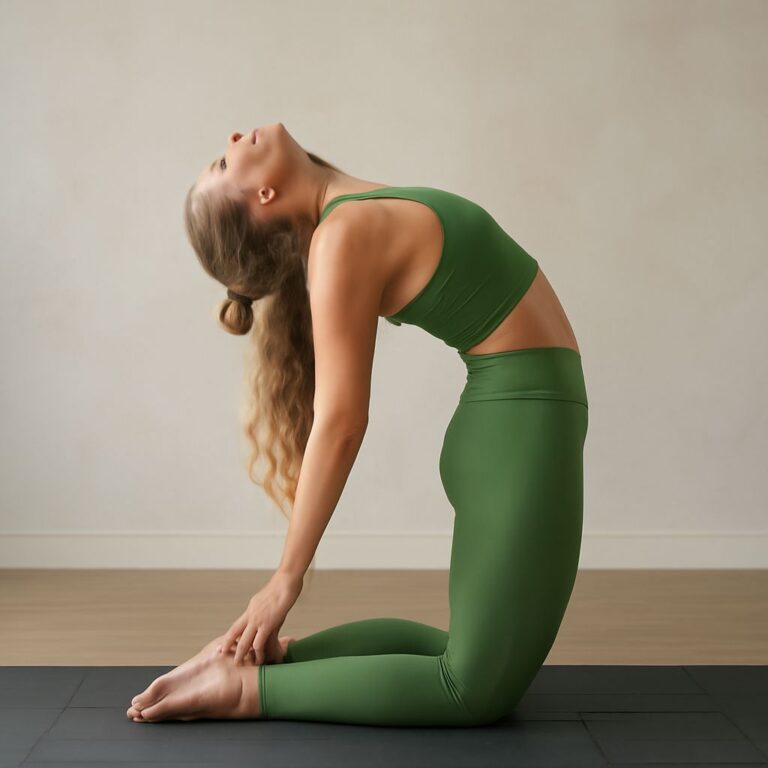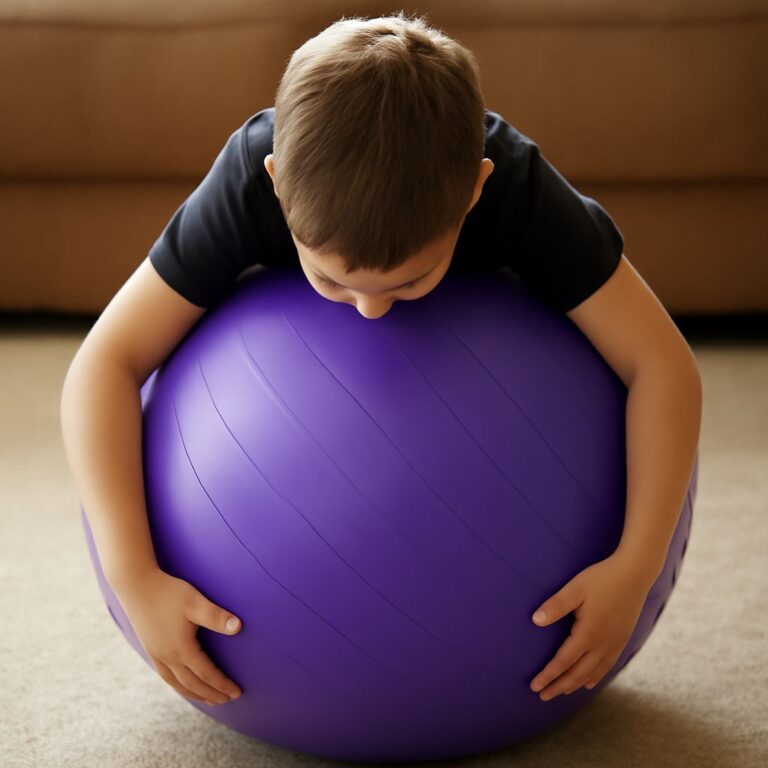
Many believe that a yoga ball is merely a tool for fitness enthusiasts or those in rehab, yet it’s a powerful adjunct to traditional yoga practice. It may surprise you to learn that integrating a stability ball into your poses and asanas can significantly enhance your practice. In this article, we will debunk the myth that yoga balls are only for physical therapy by exploring their transformative uses in yoga.
While commonly associated with building core strength, yoga ball exercises offer a multitude of benefits that extend far beyond simple strengthening. By incorporating yoga balls into your routine, you’re not just focusing on physical health but also improving mental balance and concentration.
Benefits of Yoga Ball Exercises
Yoga ball exercises uniquely improve both physical and mental aspects of yoga practice. The dynamic nature of the ball challenges your stability, engaging more muscle groups than static poses alone. This enhances your core strength and increases muscle tone, leading to better posture and alignment.
In addition to these physical benefits, using a yoga ball encourages mindfulness. Concentration is necessary to maintain balance on the unstable surface, which can help calm the mind and improve focus. This dual benefit of physical and mental engagement makes the yoga ball an excellent tool for achieving a more holistic yoga experience.
Essential Yoga Ball Techniques
Incorporating yoga ball techniques into your practice can elevate your traditional poses. Below are three fundamental exercises that showcase the versatility of the yoga ball.
Stability Ball Bridge
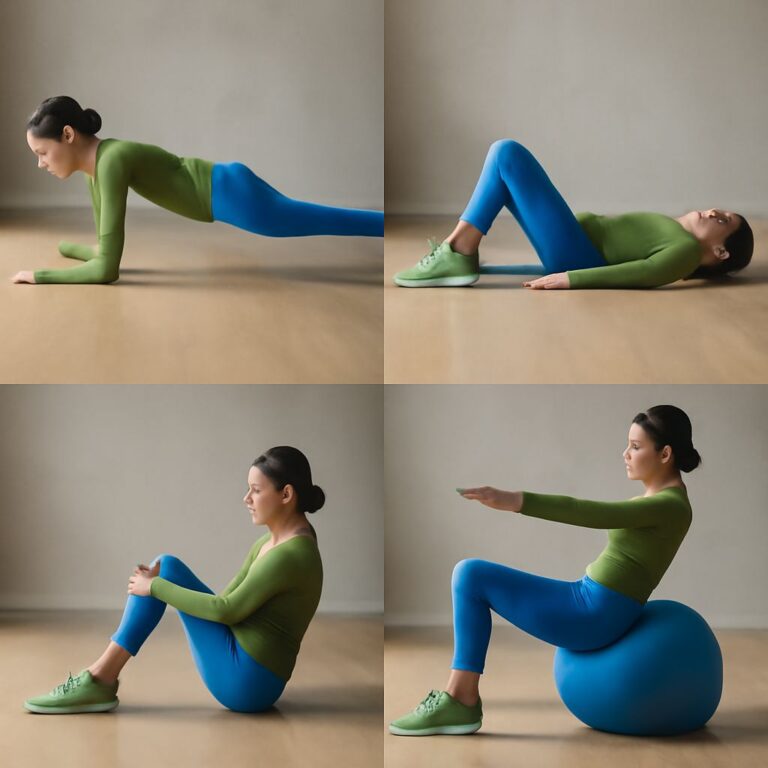
The stability ball bridge strengthens your core while enhancing flexibility in the back. To perform this, lie on your back with your feet on the ball and lift your hips, forming a straight line from shoulders to knees. This exercise not only targets the abs but also supports the lower back, providing a solid foundation for more advanced asanas.
Ball Warrior Pose
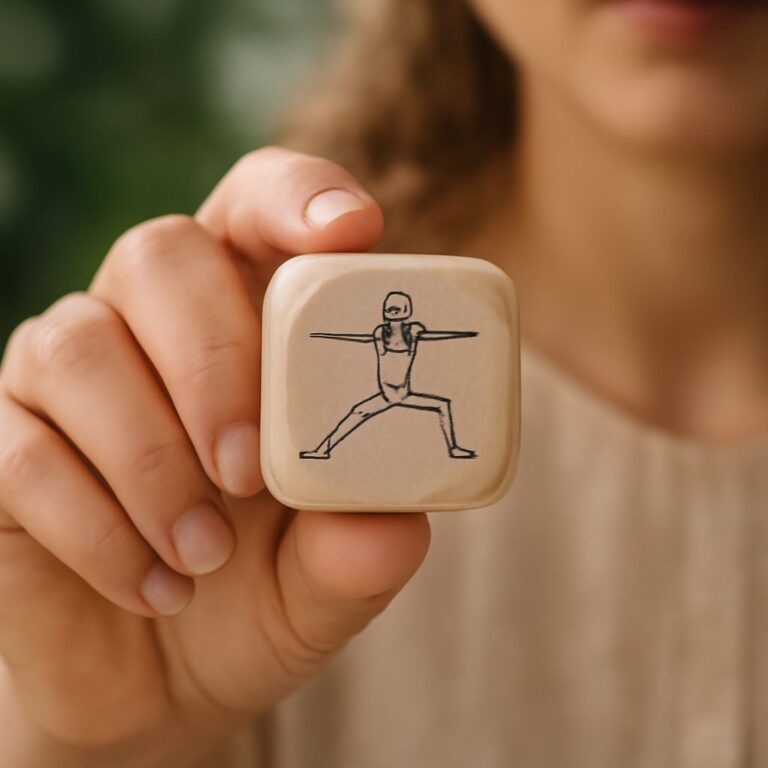
Enhance your balance and focus with the ball warrior pose. Stand behind the yoga ball and place one foot on it, bending the other knee into a warrior stance. This variation on the traditional warrior pose demands enhanced concentration and activates stabilizing muscles throughout the body.
Ball Plank
The ball plank is excellent for fortifying your core. Start in a standard plank position with your shins on the ball. Maintaining this position requires engagement from your abs, arms, and legs. As a result, you cultivate both strength and endurance, which are vital for advanced yoga practices.
Incorporating Yoga Ball into Your Routine
Involvement of a yoga ball in your routine should be gradual to allow your body to adapt. Start by integrating the ball into familiar poses and slowly increase the complexity as your confidence grows. Consider substituting the ball for a mat occasionally, which forces your body to stabilize, offering a fresh challenge even to seasoned practitioners.
Remember, yoga is as much about the journey as the destination. Using a yoga ball introduces a playful element to your practice, allowing for exploration and innovation while maintaining mindfulness and presence.
Safety Tips for Using a Yoga Ball
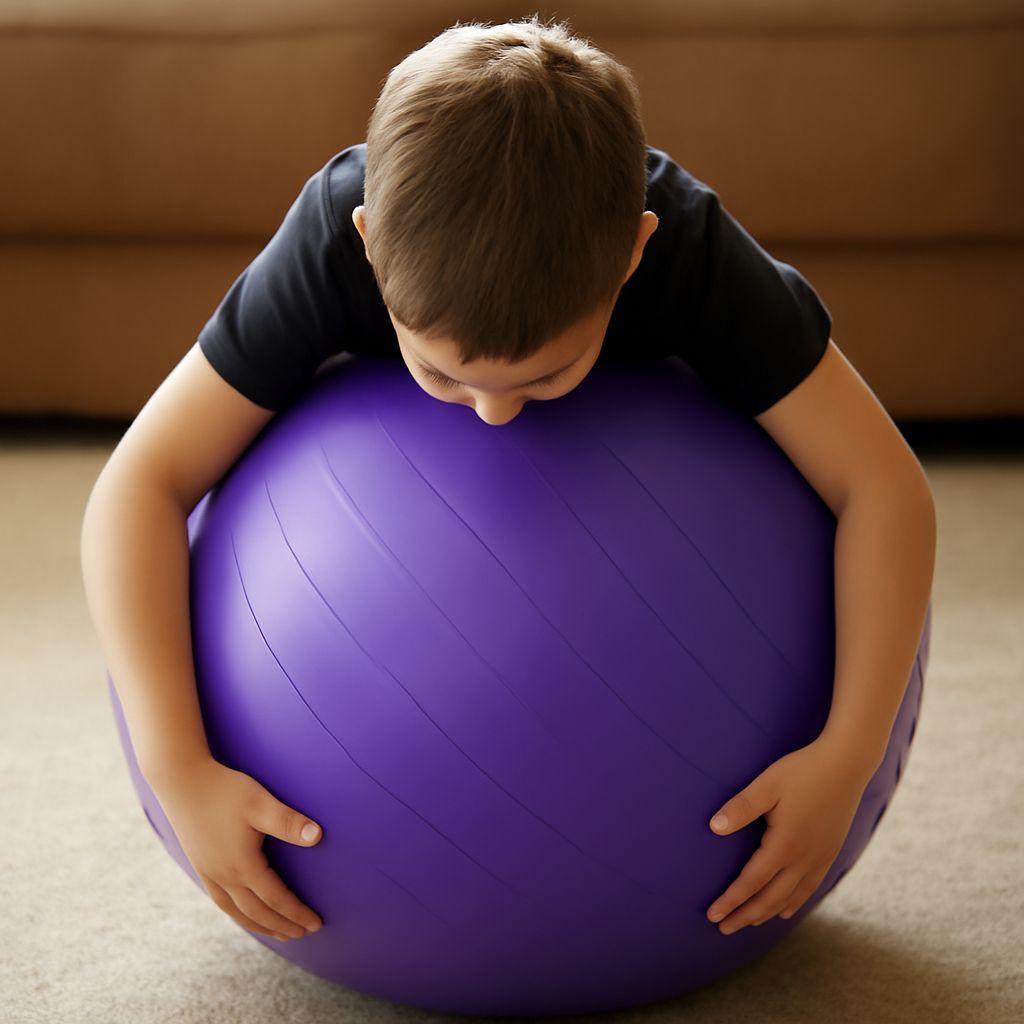
Safety is paramount when using a yoga ball, as its instability increases the risk of injury. Always ensure the ball is the correct size for your height; your knees should be at a right angle when sitting on it. A well-inflated ball also provides better support and improves stability.
Take care to practice on a non-slip surface to prevent the ball from moving unexpectedly. Additionally, clear the practice area of obstacles to ensure safe transitions between poses. Listening to your body and avoiding overexertion will minimize the risk of strain or injury, ensuring a positive experience with each session.
Key takeaways: Integrating yoga ball exercises into your practice can enhance poses and asanas by improving balance and strength. Embrace the physical and mental benefits while maintaining safety to enrich your yoga journey.