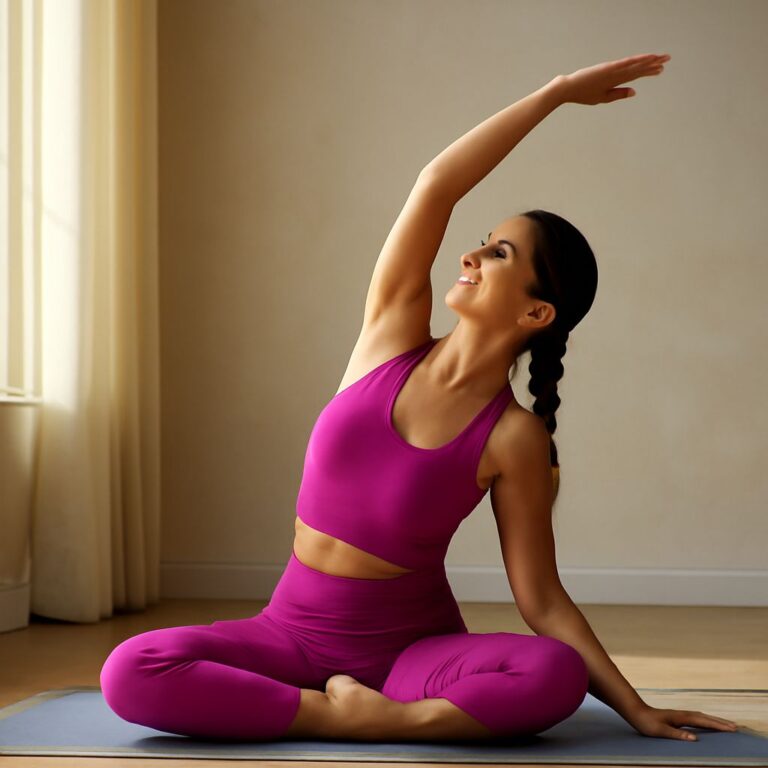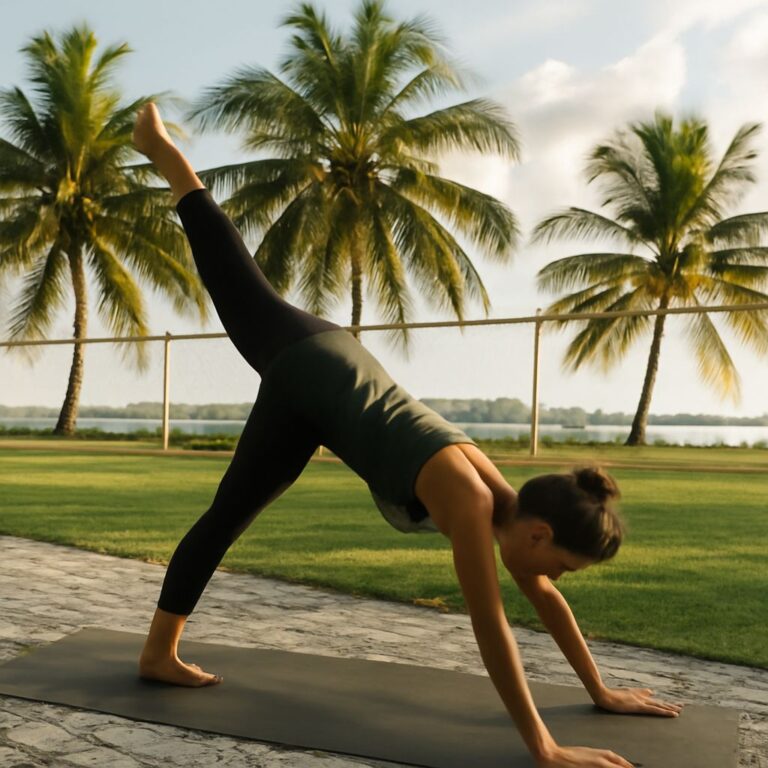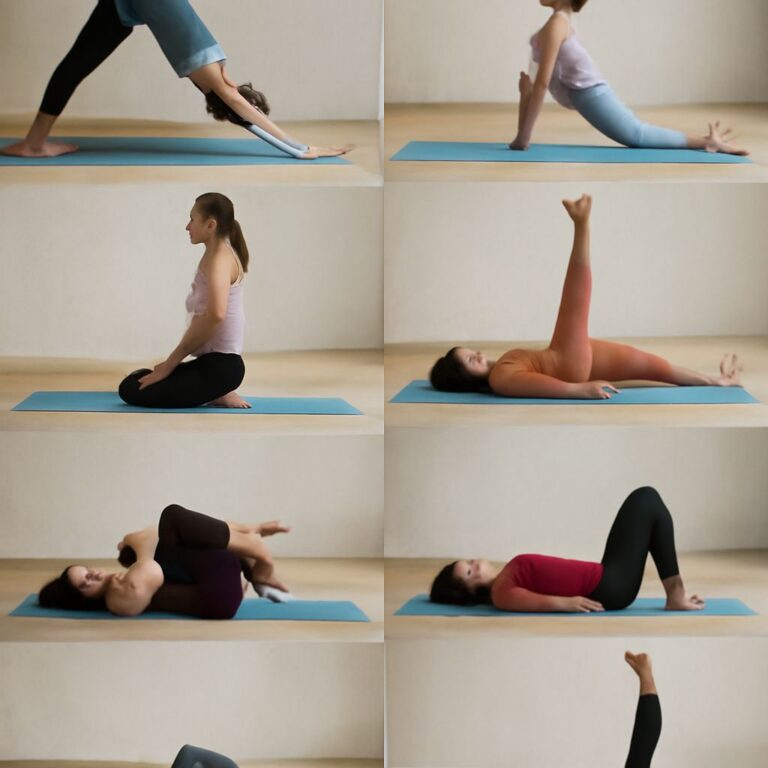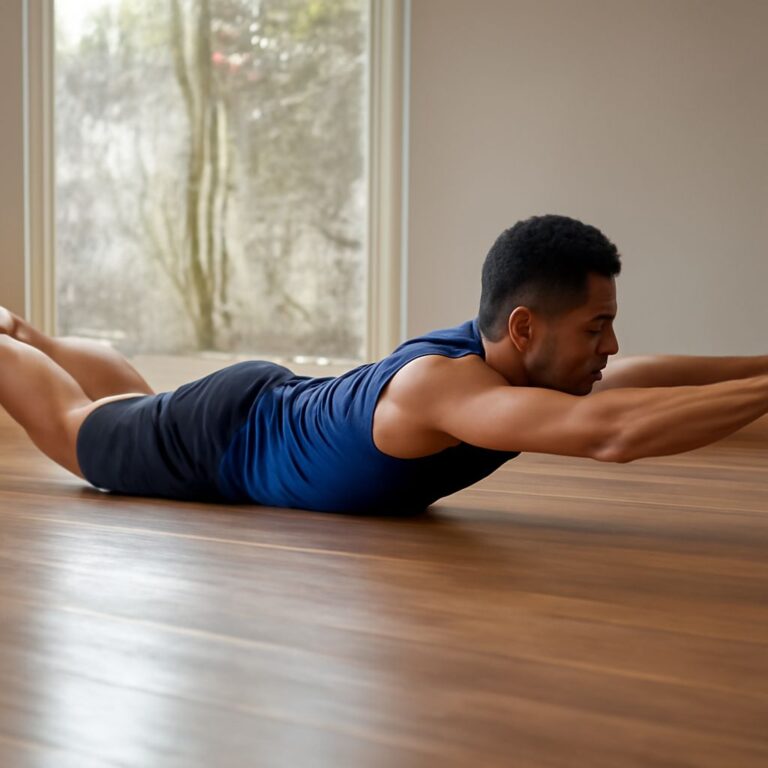
You might think a “quick yoga routine” is too short to make a difference, or that true yoga sequences and flows require an hour and a mat in a silent studio. Let’s bust that myth: even a brief daily practice can recharge your mind and body—right at home, in your office, or anywhere you can find a quiet corner.
Yoga sequences and flows aren’t about duration; they’re about intention and consistency. A short but mindful practice can help relieve stress, improve flexibility, and boost your mood, all in just minutes. Whether you’re a busy professional, a parent on the go, or simply new to yoga, a quick yoga routine fits easily into even the tightest schedule.
Why Choose a Quick Yoga Routine?
For many, it’s the challenge of time that prevents regular practice. Life’s demands can leave little room for self-care, but incorporating a brief yoga flow into your day offers powerful benefits. Even a few moments of movement and mindful breathing can help restore your energy and focus.
Short sessions of yoga help build consistency. Instead of waiting for the “perfect” window to attempt a full-length class, you can opt for simple sequences that can be completed in five to ten minutes. Over time, the regularity of these mini-practices leads to improved flexibility, core strength, and stress resilience.
Quick yoga flows are also surprisingly versatile. You can tailor sequences to suit your mood or physical needs. Feeling stiff from sitting? Try a routine focused on gentle spinal twists and hip openers. Need a midday pick-me-up? Include invigorating standing poses and some energizing breaths. Integrating these small breaks into your routines can support both mental clarity and overall wellbeing, regardless of your experience level.
Essential Poses for a Quick Yoga Routine
The foundation of an effective short practice lies in selecting poses that deliver the most benefit in the least amount of time. Key movements for yoga flows often include a combination of standing, balancing, and stretching postures.
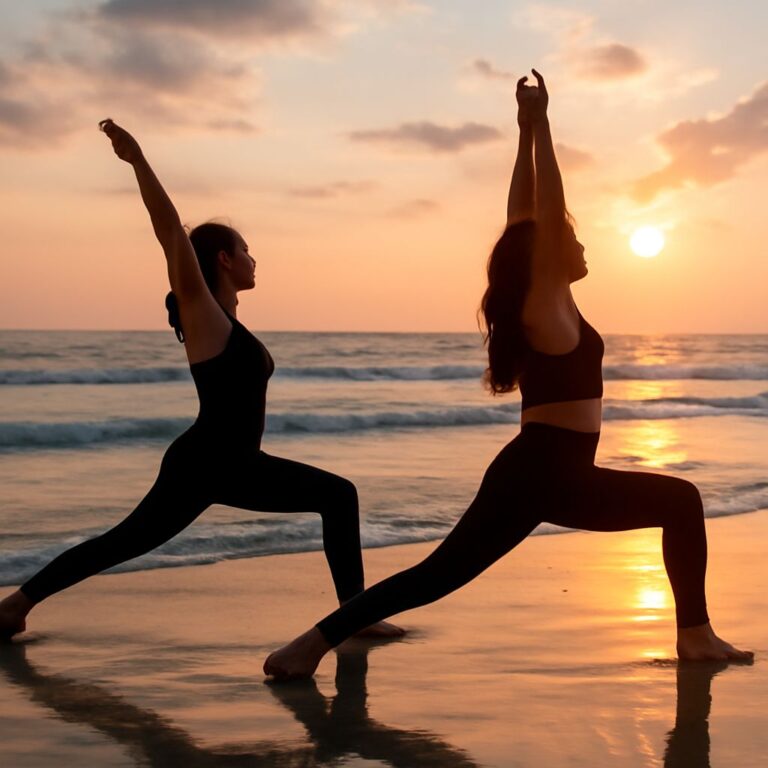
Downward-Facing Dog is a staple: this pose stretches the entire back body, from calves to shoulders, and can quickly revitalize tired muscles. Pairing it with a Forward Fold helps ease tension in the spine and neck. Adding a standing pose like Warrior II activates your legs and strengthens balance.
Other excellent choices for a rapid yoga routine include Cat-Cow transitions for spinal mobility, and Child’s Pose for a moment of grounding and gentle back release. Stringing together these essential movements allows your routine to both warm up and unwind your body, even in a condensed time frame. You can mix and match, or stick to a favorite flow that connects poses smoothly with breath.
For maximum flexibility, consider swapping poses based on your energy levels—gentle backbends for a boost, or seated twists for relaxation. Experimenting with different asanas is key to making your yoga routine genuinely quick and enjoyable, yet effective.
Step-by-Step Quick Yoga Routine
Ready to get started? Here’s a simple sequence you can complete in under ten minutes—perfect for mornings, lunch breaks, or winding down after work. Remember to sync your movements with mindful breathing and move at a steady, relaxed pace.
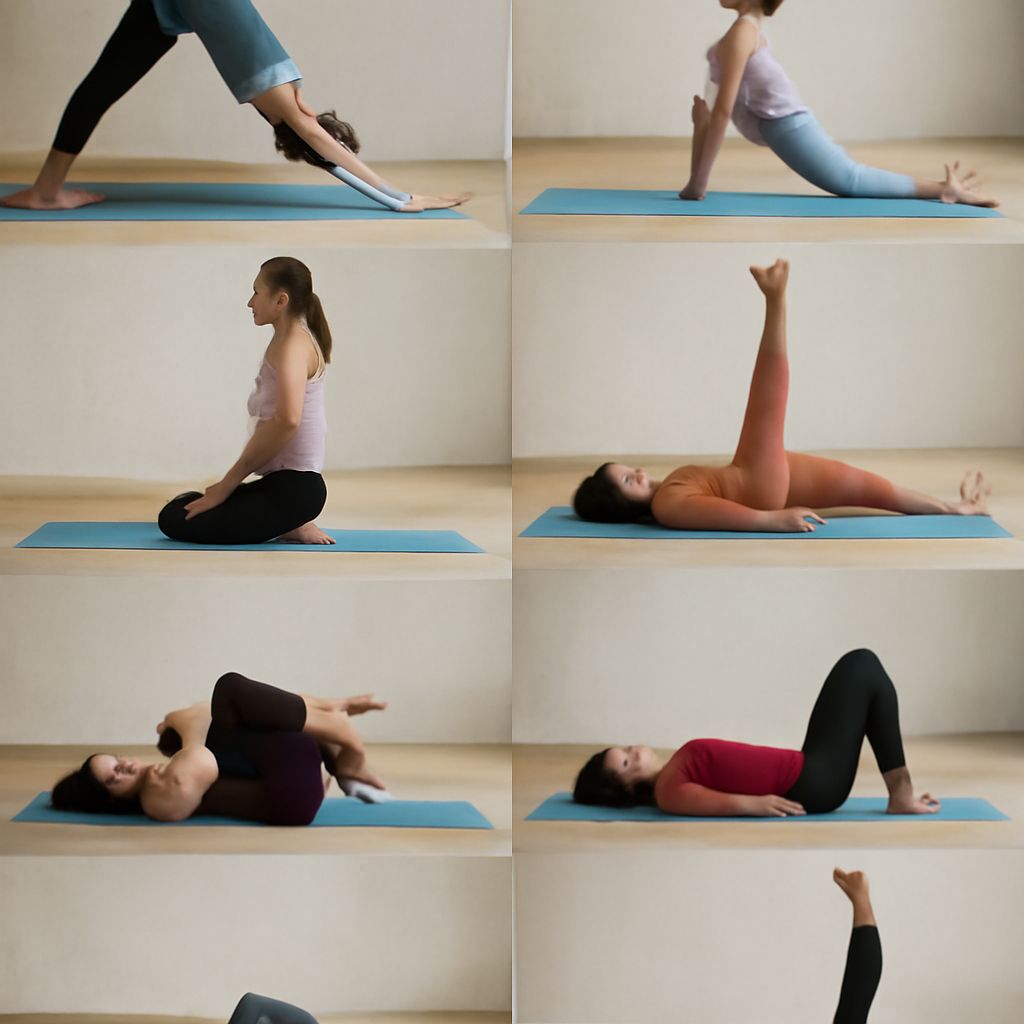
- Begin in Mountain Pose (Tadasana). Take three deep breaths, grounding through your feet and lengthening your spine.
- Raise your arms overhead, then fold forward into a gentle standing Forward Bend. Relax your neck and shoulders.
- Step back into Downward-Facing Dog. Hold for five breaths, pedaling your feet to stretch your calves.
- Lower onto hands and knees for Cat-Cow flows. Alternate arching and rounding your back for five cycles.
- Step one foot forward into a low lunge, arms overhead. Hold briefly, then switch sides.
- Come to standing and flow into Warrior II, first on the right, then the left. Focus on steady breath and strong legs.
- Kneel back into Child’s Pose for a final pause, feeling your breath slow down and your body relax.
- Sit up slowly. End your routine with a few moments of seated stillness, hands on your knees, observing the effects of your practice.
This sequence works well solo or as a template for creating your own yoga flows. Feel free to modify or repeat poses, depending on how much time you have or what your body needs.
Tips to Maximize Your Quick Yoga Routine
To get the most from short sessions, focus on quality rather than quantity. Prioritize slow, controlled movements. Linking breath with motion—inhale to lengthen, exhale to deepen—enhances both the physical and calming benefits of your practice.
Don’t skip the warm-up or cool-down, even if you’re pressed for time. Just a minute of gentle joint circles or seated breathing can prepare your body and mind for movement. Listening to your body’s cues is critical. If a pose feels uncomfortable, adapt or switch to another; yoga is about self-care, not pushing through discomfort.
Make your routine sustainable by weaving it into your daily schedule. Morning stretches at your bedside, a lunchtime flow near your desk, or an evening wind-down in your living room can all help build the yoga habit. Consistency, even with short flows, leads to long-term benefits—greater flexibility and reduced stress being just the start.
Remember, yoga sequences and flows should fit your life, not the other way around. Allow yourself permission to keep it simple. Over time, you may choose to extend the routine or try new postures, but the essential practice is showing up for yourself, even briefly.
Frequently Asked Questions
Can beginners try a quick yoga routine? Absolutely. Short, simple sequences are perfect for those new to yoga. Focus on learning basic poses and building familiarity with mindful movement.
How often should I practice a quick yoga routine? Daily is ideal, but even doing these flows three to four times a week will yield noticeable benefits. Consistency matters more than duration.
Do I need equipment or a mat? A yoga mat is helpful, but not required. Soft flooring or even a towel can work for most poses. Wear comfortable clothes and ensure you have enough space to move safely.
What if I have physical limitations? Adapt your routine to your body’s needs. Modify poses, use supports like cushions or blocks as needed, and consult a healthcare professional or experienced instructor if you have concerns.
Will a quick routine really help me feel better? Yes—regular, mindful movement and breathwork can boost your mood and energy, even in brief sessions. The key is making it a regular part of your day.
Next steps: Set aside five minutes tomorrow to try this quick yoga routine. As you repeat the sequence, notice how your body and mind respond. Over time, adjust and expand your flows to stay challenged and inspired. Consistency will bring the greatest rewards.