Many people believe that yoga rabbit pose is just another forward bend, easily mastered by anyone who can touch their toes. But this underestimates both its subtlety and its impact. While it may look simple, Sasangasana engages the spine, shoulders, and nervous system in ways that set it apart from other yoga poses & asanas. If you’ve ever wondered how such a compact posture could deliver so many benefits—or if you’re cautious due to concerns about neck safety—you’re not alone.
The truth is, the yoga rabbit pose offers unique advantages for practitioners at every level, but maximizing these rewards means paying close attention to technique and awareness. Let’s explore what sets this asana apart, how to practice it safely, and how to avoid the most common pitfalls on your mat.
What Is Yoga Rabbit Pose?
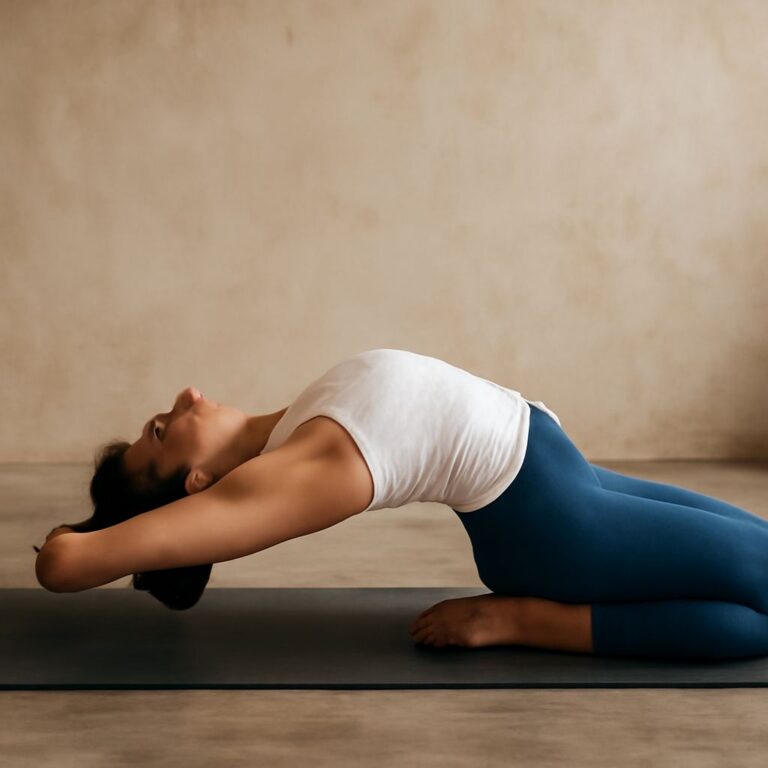
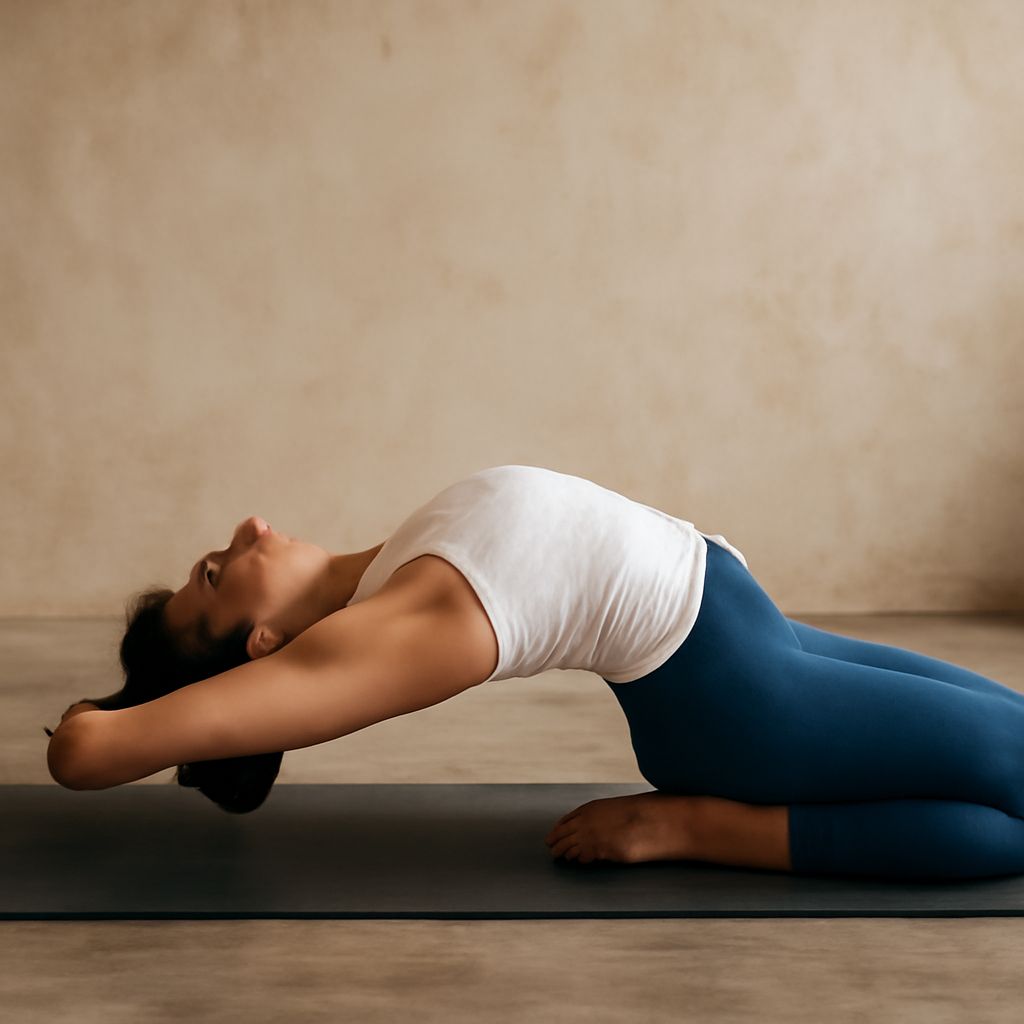
Sasangasana, commonly known as yoga rabbit pose, is a gentle forward bend performed from a kneeling position. This posture involves curling the spine deeply as you tuck your chin to your chest, grip your heels, and lift your hips. Unlike many yoga poses & asanas that focus on either deep backbending or static stretching, rabbit pose blends both spinal flexion and dynamic energy flow.
Its distinctive shape is rooted in the symbolism of the rabbit: quiet, introspective, and alert. While performing this asana, your head and crown lightly press into the mat, echoing the animal’s attentive posture. This is not merely a stretch but a mindfulness practice that can draw your attention inward, inviting calm and clarity.
In many modern yoga classes, you’ll encounter variations of rabbit pose that adapt to different bodies and needs. Some practitioners opt to keep their arms by their sides, while others prefer holding their heels for a deeper spinal curve. Whatever the variation, the defining feature is the rounded back paired with gentle pressure on the crown of the head, which distinguishes Sasangasana from many other yoga poses & asanas.
Understanding what the yoga rabbit pose entails helps create a safer and more beneficial experience, especially for those with neck or spine sensitivities.
Benefits of Yoga Rabbit Pose
Exploring the rewards of practicing the yoga rabbit pose begins with spinal health. By rounding the back and elongating the vertebrae, this pose offers an effective way to decompress the spine. Regularly engaging in rabbit asana helps to boost flexibility along the entire back, from the neck to the sacrum, while also enhancing circulation in the spinal muscles. The act of tucking the chin deeply to the chest further stimulates the thyroid and parathyroid glands, supporting hormonal balance and overall vitality.
Another significant advantage is stress reduction. When practicing yoga rabbit pose, the forward curl encourages introspection by quieting the mind and soothing the nervous system. Many practitioners report a notable sense of calm and mental clarity after practicing Sasangasana, making it valuable for those seeking relief from anxiety or mental fatigue. By bringing the crown of the head toward the floor, the pose gently stimulates key pressure points that foster a sense of groundedness and tranquility.
Beyond flexibility and stress relief, the rabbit pose strengthens the arms, shoulders, and abdominal muscles. Holding onto the heels demands endurance in the upper body, while lifting the hips recruits core engagement. These layered effects make rabbit asana a powerful addition to a holistic yoga poses & asanas routine, especially for anyone looking to counteract the effects of prolonged sitting or hunching over digital devices.
Step-by-Step Guide to Practicing Rabbit Pose
To begin your journey into the yoga rabbit pose, start by kneeling on your mat with your knees hip-width apart and tops of the feet pressing down. Sit back onto your heels and rest your hands on your thighs, taking a few steady breaths to center yourself. When you’re ready, reach your hands behind to grasp your heels firmly, thumbs on the outside and fingers wrapping around the insides.
On an exhalation, slowly lower your chin to your chest, rounding your spine forward. As you begin curling your back, gently bring the crown of your head to the floor in front of your knees. Without forcing, lift your hips gradually, allowing your arms to remain active and your grip on the heels steady. Avoid shifting your bodyweight onto your head—support should come from your arms and core. Hold this position for four to eight breaths, feeling each vertebra separate and the back broaden with each inhale.
To exit rabbit asana, slowly lower your hips back to your heels, releasing the grip on your heels, and gently uncurl the spine to sit upright. Take a moment to notice the aftereffects, especially the sensations along your back, neck, and shoulders. For a more accessible variation, keep your hands on your mat instead of your heels and lift your hips only as high as feels comfortable.
Common Mistakes and Safety Tips
Despite its apparent simplicity, the yoga rabbit pose can cause discomfort if performed incorrectly. One frequent misstep is placing too much pressure on the top of the head instead of distributing weight through the arms and legs. This can compress the cervical spine and lead to strain. Instead, focus on using your grip and core to support the pose, allowing only a light touch of the crown to the mat.
Another issue is rounding the back excessively, which can cause tension in the shoulders or lower spine. Aim for an even curve through the entire back by engaging the abdominal muscles and lengthening outward from the tailbone to the neck. Remember that overreaching for the heels can also lead to instability; it’s better to modify and keep the hands on the mat if needed.
For those with neck injuries or chronic cervical issues, approach rabbit asana with caution. Always listen to your body, and consult a certified yoga instructor if unsure about proper alignment. Incorporating mindful breathing throughout the pose helps maintain focus and ensures a safe, supported practice. These foundational safety principles apply to many yoga poses & asanas but are especially critical here.
Tips for Beginners
If you are new to yoga rabbit pose, prioritize gradual progress over depth. Start with preparatory stretches, such as cat-cow or gentle child’s pose, to awaken the spine and shoulders before attempting Sasangasana. Use a folded blanket for extra padding beneath your head if you experience any discomfort, and don’t hesitate to keep your hands closer to your knees rather than your heels in the beginning.
Breathing steadily is key. Practice slow, rhythmic inhales and exhales to stay connected to your body and avoid rushing into the posture. Try focusing on lengthening your spine first, rather than lifting your hips as high as possible. With time, these incremental adjustments will make the full yoga rabbit pose accessible and rewarding.
Lastly, remember that consistency is more valuable than intensity. By returning to this asana often and seeking feedback from experienced teachers, you’ll deepen your understanding and experience the full spectrum of benefits that rabbit pose and other yoga poses & asanas can provide.