Many people believe the only solution for tension headaches is to pop a pill and power through the pain. Yet, scientific evidence and centuries-old wisdom now point to a more holistic answer: yoga for tension headaches. By combining mindful movement, breathwork, and relaxation, yoga offers both immediate comfort and long-term prevention for those who suffer from this common type of headache.
Despite the widespread notion that yoga is simply gentle stretching or stress relief, it’s a comprehensive therapeutic tool with unique benefits for headache sufferers. In this article, we’ll unravel the myths, explore how yoga works for tension headaches, and share the best yoga poses for tension headaches—all while equipping you with safe, practical advice for your own healing journey.
Understanding Tension Headaches
To appreciate how yoga can address tension headaches, it’s essential to understand what sets these headaches apart. Tension headaches typically result in a dull, aching pain that wraps around the forehead, scalp, or back of the neck. Unlike migraines, they rarely come with nausea or vision changes, but the discomfort can persist from half an hour to several days, impacting focus and quality of life.
Key triggers for tension headaches often include prolonged screen time, poor posture, emotional stress, or muscle tightness. When neck and shoulder muscles tense up, blood flow may be restricted and pain signals increase, making daily tasks especially challenging. People may notice these as an ache that intensifies as the day wears on, often coinciding with mental fatigue and emotional strain.
Left unaddressed, chronic tension headaches can lead to a cycle of pain and tension, reinforcing anxiety and sleep disturbances. Recognizing this pattern is vital for effective intervention. Yoga shines in this regard, offering not only physical relief for headache pain, but also targeting the underlying stress and muscular imbalances that perpetuate the discomfort.
How Yoga Helps Tension Headaches
Yoga’s therapeutic approach does much more than simply stretching tight muscles. It addresses the root causes of tension headaches through multiple, interconnected mechanisms. First, mindful movement practices—such as gentle neck rolls, shoulder openers, and supported backbends—encourage muscles to relax gradually, easing pressure around the skull and cervical spine.
Breathwork, or pranayama, forms another cornerstone of yoga’s effectiveness for tension headache relief. Slow, deep breathing signals the nervous system to shift from fight-or-flight mode into relaxation. As the breath deepens, heart rate slows and blood pressure can drop, directly calming physical and emotional stressors that often trigger headache symptoms.
Research supports the benefits yoga offers for headache reduction. Regular sessions have shown measurable decreases in headache frequency, intensity, and reliance on medication, especially when combined with lifestyle adjustments. Self-guided yoga routines or instructor-led therapeutic yoga classes can empower individuals to manage tension headaches more naturally and proactively.
Additionally, yoga’s emphasis on present-moment awareness cultivates resilience against future headache triggers. By practicing body scans, guided relaxation, or restorative postures, individuals can tune in to the early signs of tension buildup, addressing it before pain escalates. This proactive mindset is just as important as the physical practice itself.
Best Yoga Poses for Tension Headache Relief
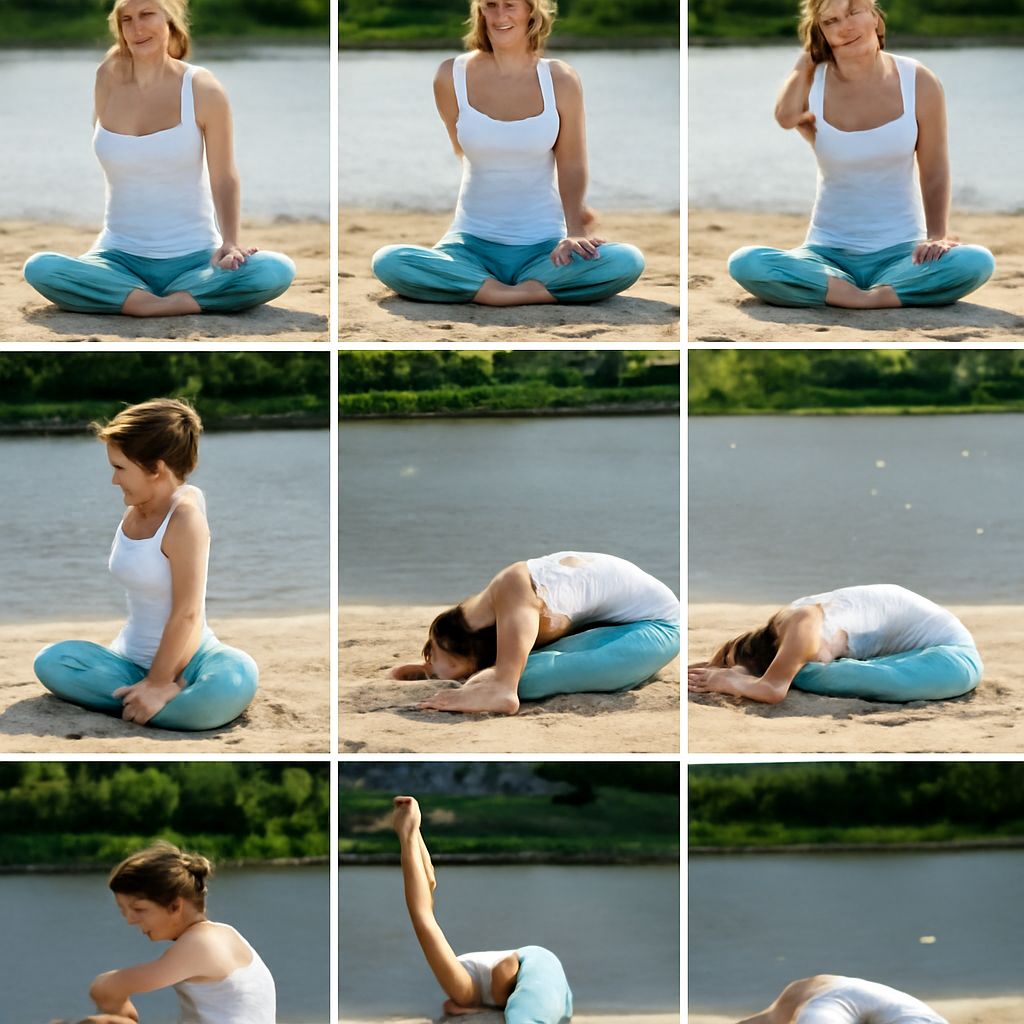
Certain yoga poses are particularly well-suited to alleviating tension headache pain by releasing neck, shoulder, and upper back tightness. For many, child’s pose (Balasana) provides gentle decompression for the spine while calming the mind. Resting your forehead on the mat or a cushion can stimulate relaxation points and help relieve headache pressure.
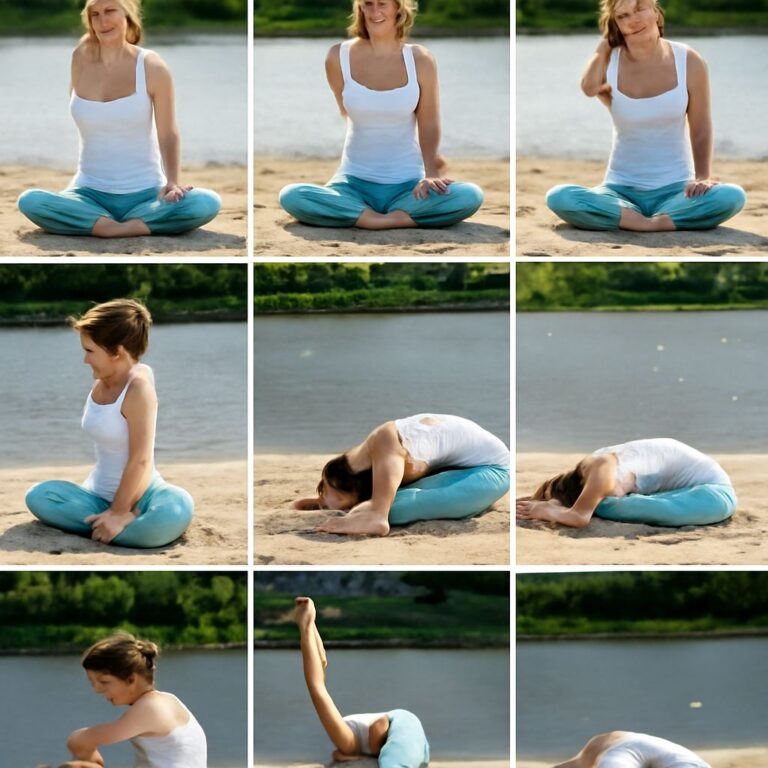
Seated forward bends, like Paschimottanasana, encourage the lengthening of the back and shoulders, which are areas often implicated in stress headaches. Practicing gentle twists or supported bridge pose can further open the chest and relieve muscular constriction around the neck.
Incorporating restorative yoga poses, such as legs-up-the-wall (Viparita Karani), allows gravity to assist with circulation and lymphatic drainage, helping to reduce heaviness or throbbing sensations. Using props like bolsters, folded blankets, or eye pillows increases comfort and encourages deeper relaxation, making these practices accessible even on days when pain is more intense.
To fully benefit from yoga for tension headaches, consistency is key. Short, daily sessions can be more impactful than occasional lengthy practices. Over time, a personalized yoga routine will not only relieve current headache pain, but also rebuild strength and flexibility in muscles that support healthy posture and stress management.
Safe Practice Tips
While yoga is generally safe and beneficial, it’s crucial to approach your practice mindfully, especially when managing tension headaches. Start slowly with gentle movement and avoid forcing any pose beyond your current comfort level. Overstretching the neck or holding your breath can inadvertently worsen symptoms, so prioritize ease and fluid motion.
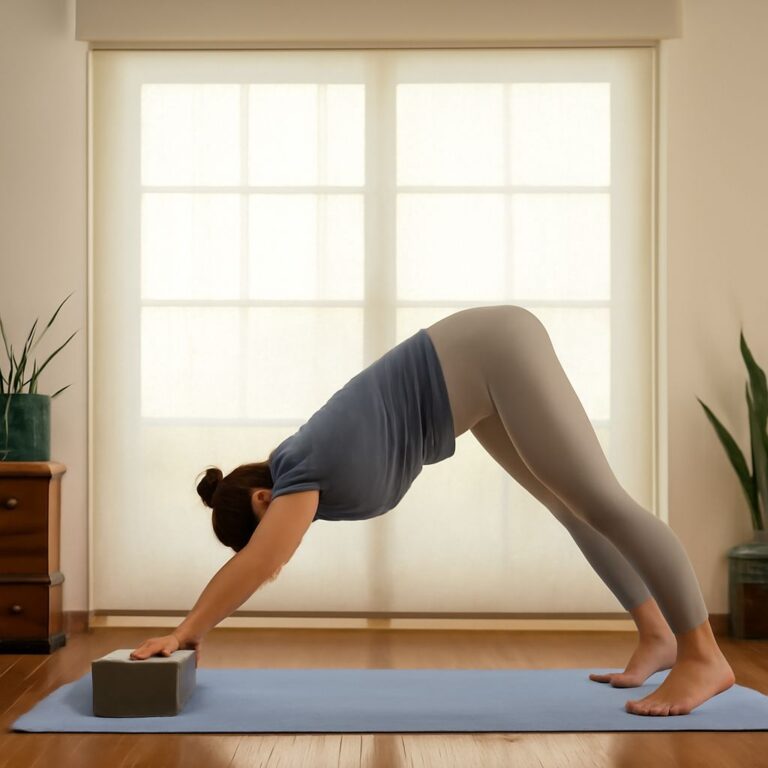
Adjust postures using support when needed. Props like blocks or a folded blanket can bring the floor closer and alleviate pressure on sore areas. When tension is severe, opt for restorative poses and breathing exercises instead of vigorous flows. Listening closely to your body’s feedback is the best strategy for maximizing relief and preventing further aggravation.
Consider integrating DIY relaxation techniques, such as progressive muscle release or guided meditation, into your regular yoga practice. Many individuals report that pairing these modalities with gentle movement creates a stronger sense of calm and resilience against stress-induced headaches.
If you are new to yoga or have other health conditions, seeking guidance from a certified yoga therapist or instructor can ensure your practice is tailored and safe. They can suggest modifications and help you develop a routine that fits your needs and lifestyle.
When to Seek Medical Advice
Although yoga can greatly improve headache symptoms, it’s vital to recognize when professional care is necessary. Seek prompt medical attention if your headaches are sudden and severe, accompanied by fever, vision changes, or neurological symptoms like numbness or slurred speech. These may signal more serious conditions that require immediate intervention.
If your headaches increase in frequency, don’t respond to yoga or over-the-counter remedies, or interfere significantly with daily function, consult your healthcare provider. They can rule out underlying issues, provide diagnostic clarity, and recommend a comprehensive pain management approach that may include yoga as an adjunct.
Integrating yoga for tension headaches into your overall health plan should be collaborative. Open dialogue with both medical and yoga professionals ensures that you address symptoms safely, effectively, and holistically.
Key takeaways: Yoga offers potent natural relief for tension headaches, addressing both physical and emotional triggers. By practicing safe, targeted poses and mindful breathing, you can manage and even prevent headache pain, while supporting your overall well-being.