Which earphones will stay comfortable through a workout while letting you hear what matters? Start with a secure fit, suitable moisture protection, and a listening setup that matches your surroundings. Earphones for workouts need to stay in place as you move, and the best earphones for your workout should also make it easy to control sound without interrupting your session.
Best Workout Earphones: Start With Fit
The best workout earphones are the pair that stays secure during your own movements without causing pressure or pain. The best exercise earbuds for a runner may need hooks, while a yoga practitioner may prefer a low-profile fit. Try different tip sizes if the design uses silicone tips. A snug seal should feel stable without forcing the tip deeply into the ear canal. Walk, turn your head, bend forward, and gently jog in place; a fit that works while sitting may shift during exercise.
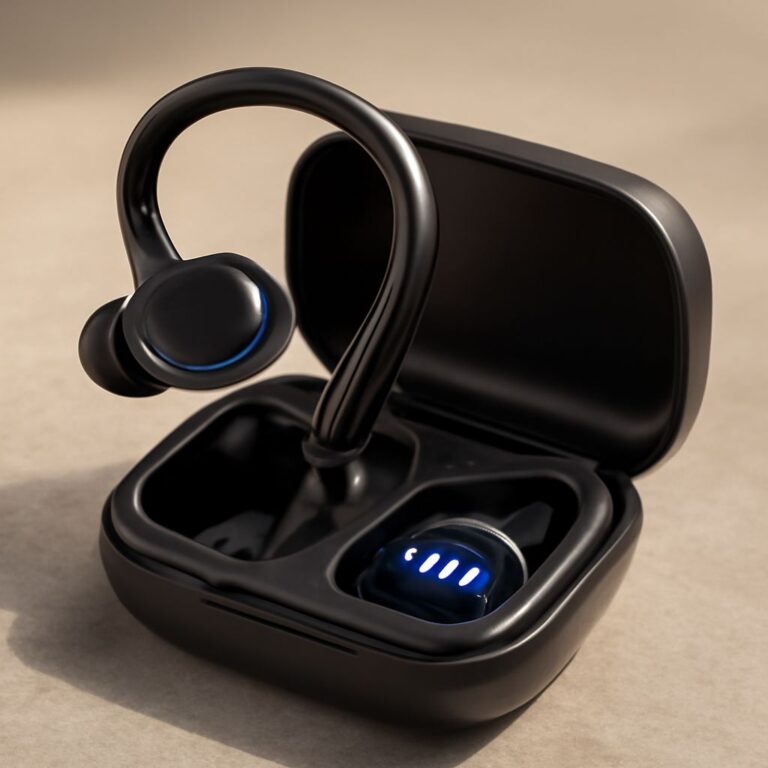
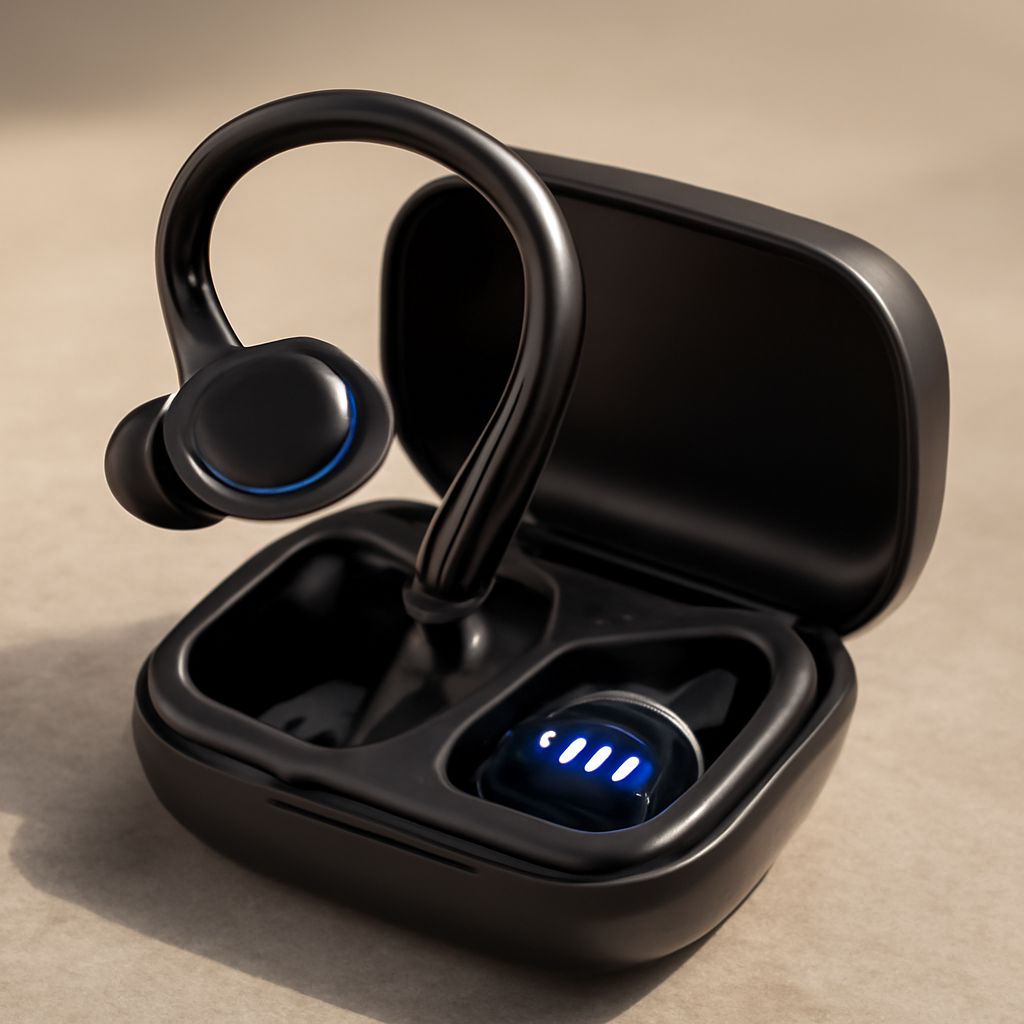
Ear hooks and stabilizing wings can add support during running or jumping. Hooks sit around the outside of the ear, while wings brace against its contours. They can also interfere with glasses or feel uncomfortable during floor work, so test them with the equipment you normally wear. Open-ear designs leave the ear canal open and can be appealing when you want to hear your surroundings, although their sound and stability still depend on fit.
If you prefer a larger form, the best headphones for exercise may be over-ear models with cushioned cups. They can feel comfortable for lifting or stationary cycling, but a headband and pads may shift during inversions or become warm and damp. Compare their weight, clamping pressure, and cleaning instructions with those of smaller in-ear devices. The best headphones for working out in a quiet studio may feel too bulky during fast floor transitions.
Read the Resistance Rating
An IP rating describes protection against entry of solids and water under specified test conditions. In IPX4, the X means no solid-ingress rating is specified, and the 4 indicates protection against splashing water. IPX7 refers to a temporary immersion test; it should not be treated as permission to swim with any device. Check the manufacturer’s instructions for the actual model and activity.
For example, Sony’s guidance for its WF-SP700N sports headphones specifies an IPX4 rating and advises wiping away water after use. Ratings for earbuds and cases can differ, so check both before putting wet equipment away. Sweat, soap, heat, and wear are practical reasons to follow the manufacturer’s care instructions rather than infer every permitted use from a number.
Balance Isolation and Awareness
A sealed tip reduces some outside sound, making music easier to hear in a noisy gym. Active noise cancellation uses microphones and processing to reduce certain background sounds; a transparency mode lets some external sound through. Both change what you hear, so try each at a low volume before relying on it.
For a road run or a route shared with bicycles, choose an open design or an ambient mode that allows you to hear approaching traffic, and keep the volume low enough to notice your surroundings. Wind, traffic, and the position of a vehicle can still make sounds hard to locate. Pause playback at crossings or remove an earbud when you need more awareness. Follow local rules for headphone use on roads and trails.
Protect your hearing indoors too. The CDC advises turning down the volume to reduce noise exposure. A good seal can help you hear audio without competing as much with gym noise, but it also makes awareness of people and equipment more difficult. Adjust the setup to the space and take listening breaks during long sessions.
Check Controls, Battery, and Care
For a busy workout, a well-chosen pair should respond reliably when you need to pause. Controls should work while you are moving. Physical buttons can be easier to find by touch; touch controls may need a precise tap and can react differently when fingers are wet. Try pausing, changing volume, and switching ambient modes with the device positioned as you would wear it. If a function requires a phone or voice assistant, decide whether that interruption suits your routine.
Compare the stated playback time for a single charge with the length of your longest session, allowing for travel and settings such as noise cancellation. The case may provide extra charges, but the earbuds must be placed inside it to recharge. Check charging time and whether the case is small enough to carry securely. For wireless models, also check that the controls and features you want work with your phone.
After a sweaty session, wipe the earphones and let them dry before charging. Remove and clean replaceable tips according to the manufacturer’s directions, and keep liquid out of charging contacts. For applicable models, Sony recommends drying the device and its charging connection completely before plugging it in. Replace worn tips when they no longer stay secure or clean properly.
Choose a pair by testing it through your usual movements, then select the level of isolation and volume that lets you hear the hazards in your training environment.