In the realm of yoga, myths often abound, clouding the understanding of ancient teachings. The Yoga Sutras of Patanjali frequently find themselves at the center of such misconceptions. Many assume these sutras merely outline physical postures, equating them with modern yoga practices. However, the Yoga Sutras delve far deeper into the philosophy and breath work, laying the groundwork for spiritual enlightenment. They are not solely about physical exercises; rather, they guide practitioners toward a holistic union of mind, body, and soul.
The Yoga Sutras serve as a map for spiritual development, offering wisdom that transcends time. When examined closely, these texts reveal profound insights into the nature of consciousness, the purpose of life, and the transformative power of breath. Let us embark on a journey to uncover the truths they hold.
Introduction to the Yoga Sutras
Authored by the sage Patanjali, the Yoga Sutras are a collection of 196 aphorisms that form the foundation of classical yoga philosophy. Patanjali’s work is considered a critical text in understanding the principles that govern yoga practices. The sutras are structured to guide practitioners in achieving a higher state of being and consciousness.
These ancient verses are not just instructional but deeply philosophical. They explore the intricacies of the human mind and the obstacles that hinder spiritual progress. The Yoga Sutras emphasize the importance of overcoming these barriers through discipline, ethical living, and focused meditation.
Core Concepts of Patanjali’s Sutras
Central to the Yoga Sutras are the eight limbs of yoga, known as Ashtanga. This framework serves as a comprehensive guide for spiritual growth and personal development. It begins with ethical guidelines, known as Yamas and Niyamas, which are essential for cultivating a balanced life.
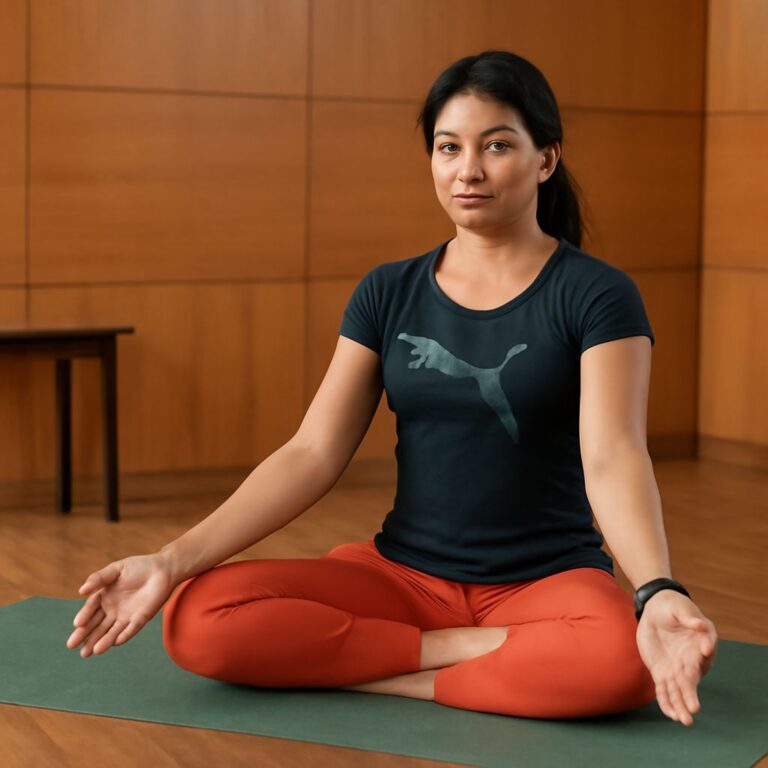
Moving beyond the moral codes, the sutras introduce the concept of Asana, which refers to physical postures that prepare the body for meditation. However, Patanjali emphasizes that the ultimate goal is not physical prowess but the stability and comfort necessary for deeper practices.
Following Asana, the sutras detail the principles of Pranayama, the art of breath control, a vital aspect that enhances mental clarity and focus. This control over breathing leads to Pratyahara, or the withdrawal of senses, a state where external distractions cease to influence the mind.
The final stages—Dharana, Dhyana, and Samadhi—are progressive levels of concentration, meditation, and spiritual absorption. Through these stages, practitioners can attain self-realization and unity with the divine.
Breath in the Yoga Sutras
Pranayama and its Importance
Breath is life, and in the Yoga Sutras, Pranayama represents the vital force that sustains it. This practice is not merely about inhaling and exhaling; it involves conscious regulation and mastery of breath. Patanjali underscores that through controlled breathing, one can achieve mental tranquility and inner peace.
Pranayama is pivotal because it bridges the gap between the physical and spiritual realms. By refining breath techniques, practitioners can cultivate an environment conducive to meditation, enabling a deeper connection to the self and the universe.
Techniques for Breath Control
The sutras advocate various techniques for breath regulation, each designed to optimize the body’s energy flow and enhance concentration. Techniques such as Nadi Shodhana, or alternate nostril breathing, aim to balance the body’s subtle energies, promoting harmony and clarity.
Ujjayi breath, often practiced during asanas, involves a slight constriction at the throat, creating a soothing sound that aids in focusing the mind. Such techniques are integral to harnessing the full potential of Pranayama, as they foster a serene mental state.
By integrating these practices, one can transcend ordinary consciousness, paving the way for spiritual awakening and enlightenment as envisioned in the Yoga Sutras.
Bottom line: The Yoga Sutras of Patanjali offer profound insights into the philosophy of yoga, emphasizing breath control and mental discipline as pathways to spiritual growth. Engaging deeply with these teachings can transform one’s perspective, leading to a harmonious and enlightened life.