Spinal stenosis is often misunderstood as a condition that inevitably leads to a sedentary lifestyle. Many believe that exercise is off-limits, fearing it might exacerbate discomfort. However, the truth is quite the opposite. In fact, engaging in the right exercises for spinal stenosis can significantly enhance flexibility and reduce pain. This article will unravel common misconceptions and present effective ways to manage spinal stenosis through exercise, showing that relief and increased mobility are within reach.
While some turn away from physical activity, thinking it could worsen their symptoms, targeted exercises can be a game-changer. Embracing a strategic routine not only bolsters spinal health but also improves overall well-being. Let’s explore how specific spinal stenosis exercises can be both safe and beneficial.
Understanding Spinal Stenosis and Its Impact
What is Spinal Stenosis?
Spinal stenosis is a condition characterized by the narrowing of spaces within the spine, which can exert pressure on the nerves traveling through the spine. This narrowing is usually due to age-related changes. Symptoms often include pain, numbness, or weakness in the arms or legs. In severe cases, it can impact walking and balance.
How Exercise Helps in Managing Symptoms
Regular exercise plays a crucial role in managing the symptoms of spinal stenosis. It helps maintain flexibility, strengthens the muscles supporting the spine, and improves body mechanics. Exercise also promotes overall physical health and can enhance mood and energy levels, making it a beneficial component of stenosis management.
Best Spinal Stenosis Exercises
Yoga Poses for Spinal Stenosis
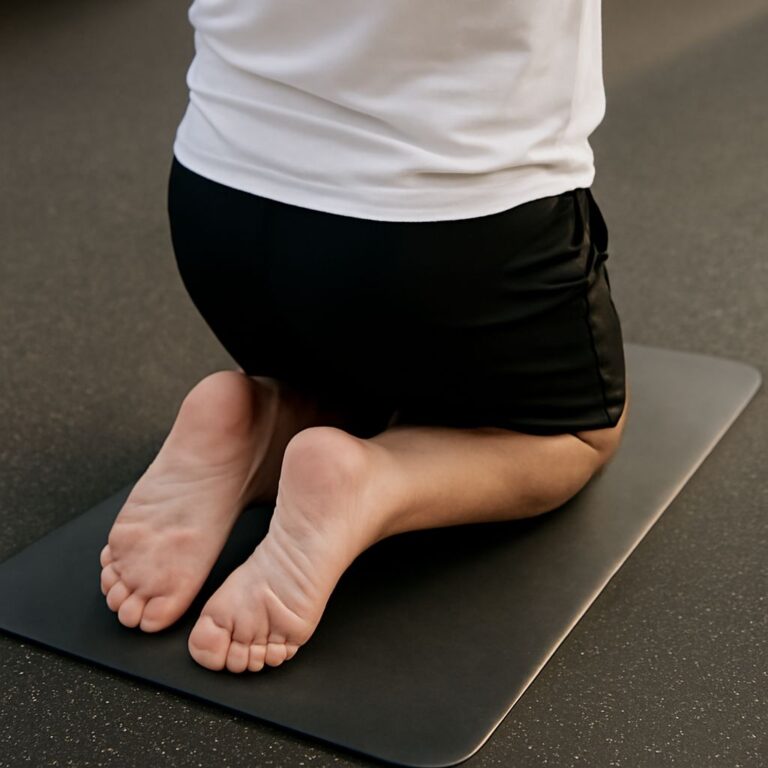
Yoga can offer a gentle way to improve flexibility and strength. Poses such as Cat-Cow and Child’s Pose encourage gentle spinal movement, thus easing tension. By focusing on slow, controlled movements, yoga helps in lengthening tight muscles and improving posture, which can reduce spinal pressure.
Specific Exercises for Spinal Health
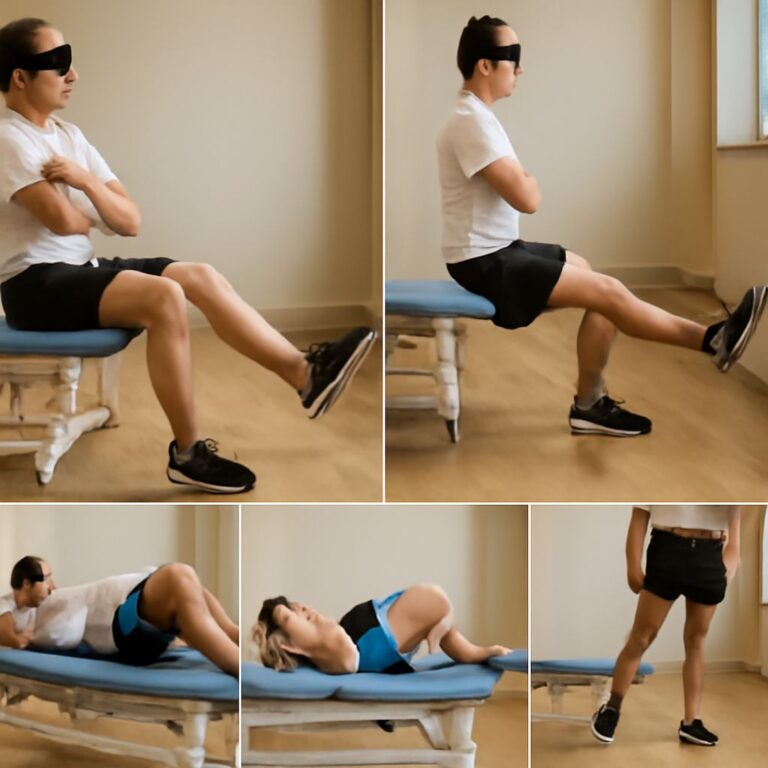
Incorporating specific exercises that target core stability and back strength is essential. Movements like pelvic tilts or bridges engage core muscles and support spinal alignment. Performing these exercises regularly can alleviate pressure and build the endurance needed for daily activities.
Effective Stretches for Spinal Stenosis
Gentle Stretches for Flexibility
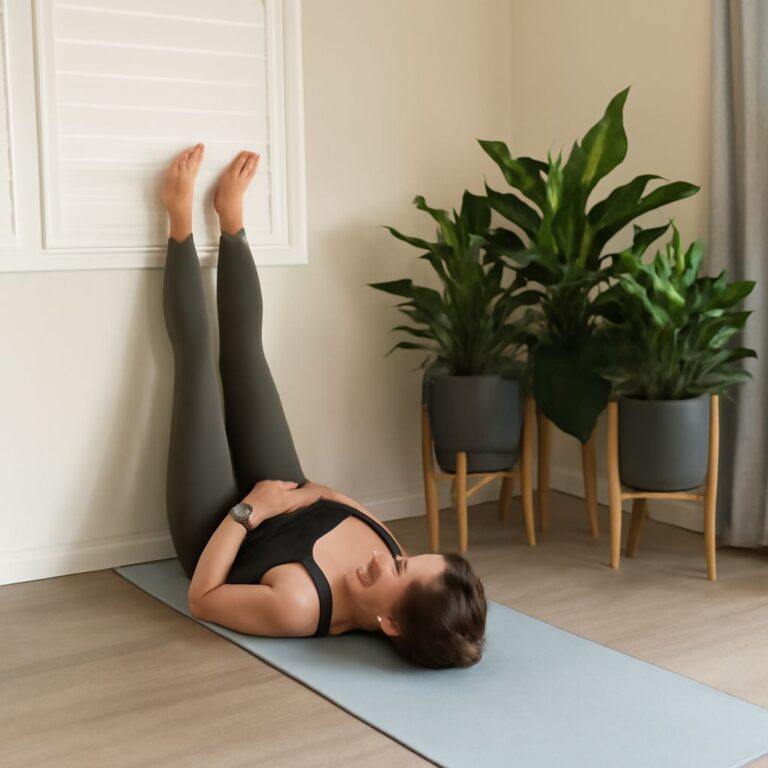
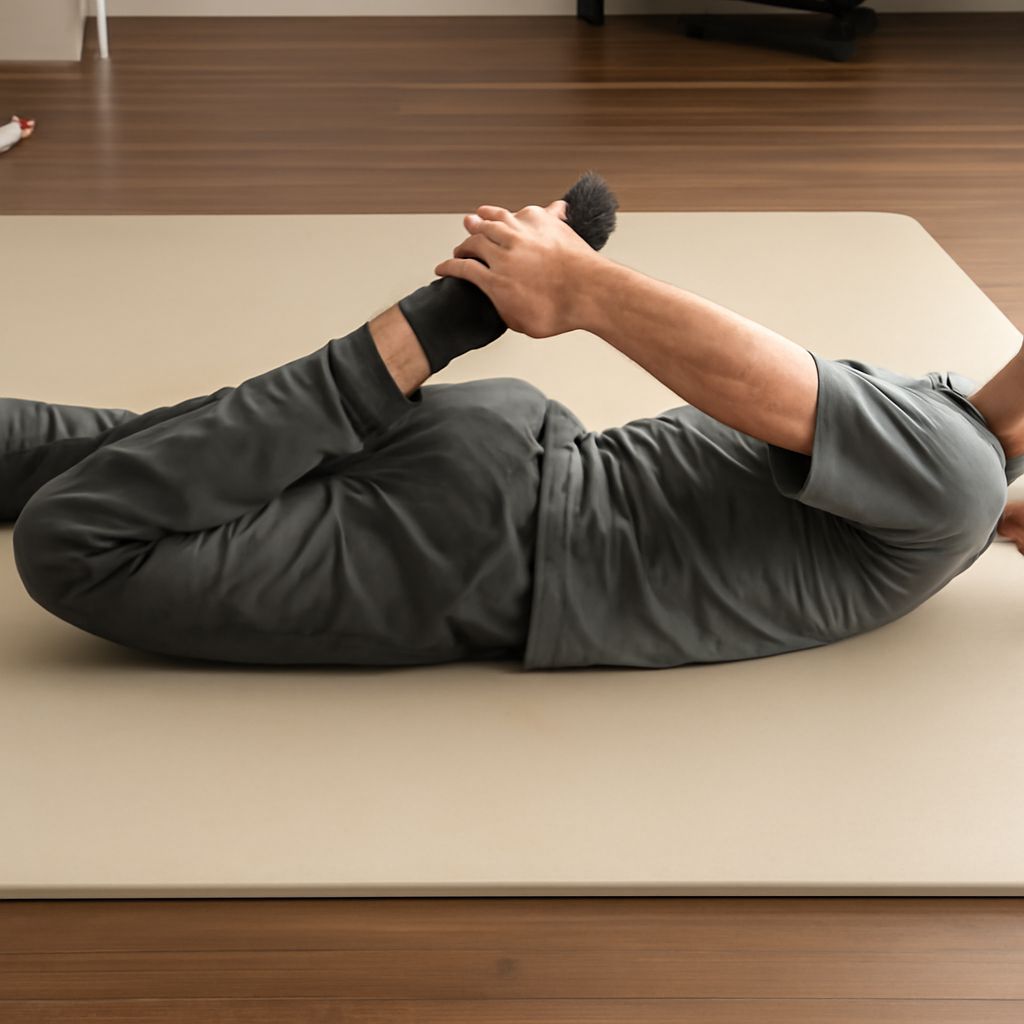
Gentle stretches are vital for maintaining a flexible spine. Hamstring stretches and knee-to-chest stretches can help reduce tension in the lower back. These stretches should be performed slowly and mindfully to avoid any strain, focusing on breathing to enhance relaxation.
Stretches to Avoid
While stretching is beneficial, certain stretches that involve extreme bending or twisting may not be suitable for those with spinal stenosis. It’s crucial to avoid any movements that cause discomfort or pain. Consulting with a physical therapist can provide personalized guidance on safe stretches.
Creating a Regular Exercise Routine
Incorporating Exercises into Daily Life
Integrating exercises into your daily routine doesn’t require extensive time or resources. Short, consistent workouts at home can be highly effective. Consider starting with a few minutes each day, focusing on proper form, and gradually increasing the duration as your comfort level improves.
Tips for Staying Consistent
Consistency is key to reaping the benefits of exercise for spinal stenosis. Setting realistic goals and keeping a routine can aid in maintaining motivation. Additionally, tracking progress and celebrating small victories can encourage adherence to the regimen over time.
Pro tips recap: Embrace a routine that includes spinal stenosis-specific exercises to enhance flexibility and reduce pain. Focus on yoga poses and gentle stretches, avoiding anything that causes discomfort. Consistency and gradual progression are essential. Always consult a healthcare professional to tailor a regimen to your needs.