Many believe scoliosis is an uncommon condition affecting only a small portion of the population, but it is more prevalent than one might think. While scoliosis is often associated with severe spinal curvatures requiring invasive treatments, numerous individuals with mild or moderate forms also seek effective scoliosis exercises for flexibility and strength. These exercises not only improve physical capabilities but also offer significant pain relief for those with scoliosis.
Another common misconception is that scoliosis severely limits one’s ability to engage in physical activity or yoga. In reality, scoliosis stretches and yoga poses can be tailored to support spinal health while enhancing flexibility. By incorporating specific exercises into a routine, individuals with scoliosis can achieve better back health, reduce discomfort, and improve their quality of life.
Understanding Scoliosis
What is Scoliosis?
Scoliosis is a condition characterized by an abnormal curvature of the spine. This curvature can take the form of a “C” or “S,” impacting posture and sometimes causing physical discomfort. While it often develops during adolescence, adults can also experience scoliosis due to various factors, including degenerative changes in the spine.
Types of Scoliosis
Scoliosis manifests in several forms, including idiopathic, congenital, and neuromuscular types. Idiopathic scoliosis, the most common, lacks a known cause but often appears in children and teenagers. Congenital scoliosis arises due to spinal malformations present at birth, while neuromuscular scoliosis results from disorders affecting nerve and muscle function, complicating the spine’s alignment.
Benefits of Scoliosis Exercises
Improving Flexibility
Engaging in scoliosis stretches helps enhance the flexibility of the spine and surrounding muscles. These exercises can improve range of motion, making everyday activities less strenuous and preventing stiffness. By regularly performing flexibility-focused movements, individuals with scoliosis can maintain a more adaptable and resilient body.
Reducing Pain
Exercises for scoliosis can be crucial in managing pain associated with the condition. By strengthening core muscles and increasing spinal support, these movements often lessen discomfort. Through targeted exercises and stretches, many experience a reduction in back pain, facilitating a more active lifestyle.
Top Scoliosis Exercises
Effective Scoliosis Stretches
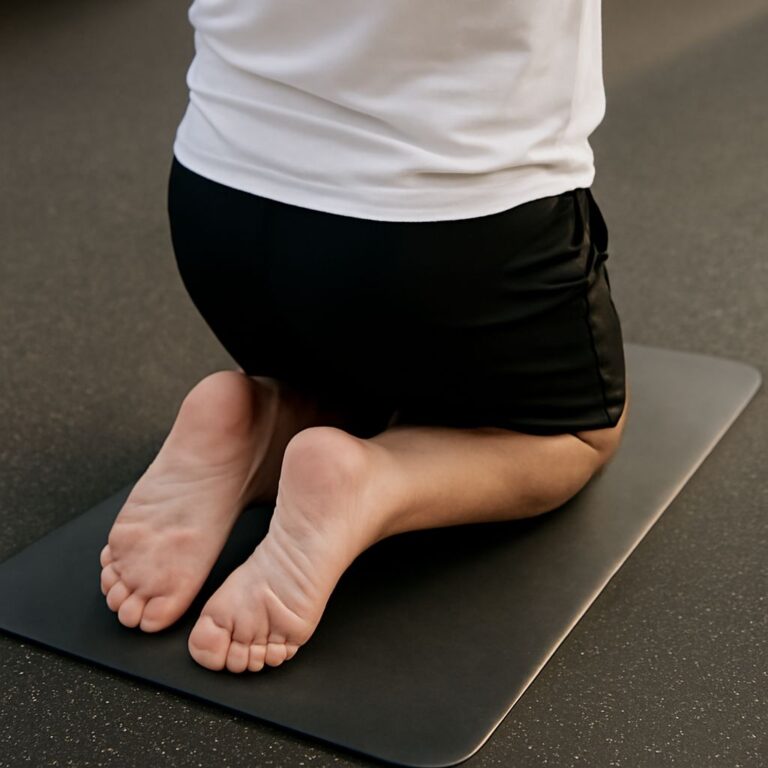
Scoliosis stretches can be highly effective in promoting spinal health. Among these, the cat-cow stretch provides gentle mobilization of the spine, while the child’s pose offers both stretching and relaxation. Regularly incorporating such stretches into a routine can help maintain spinal alignment and flexibility.
Lumbar Scoliosis Exercises
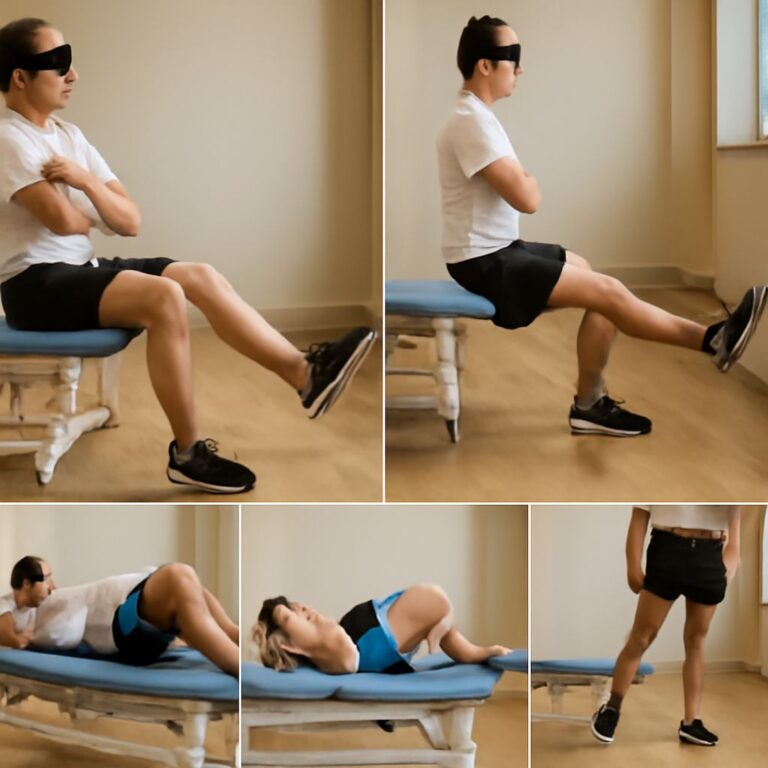
Lumbar scoliosis exercises focus on strengthening the lower back and surrounding muscles. Pelvic tilts and lower back rotations are beneficial for enhancing stability and support. These exercises contribute to a stronger foundation, supporting the spine and reducing the strain on affected areas.
Yoga for Scoliosis
Yoga Poses for Back Health
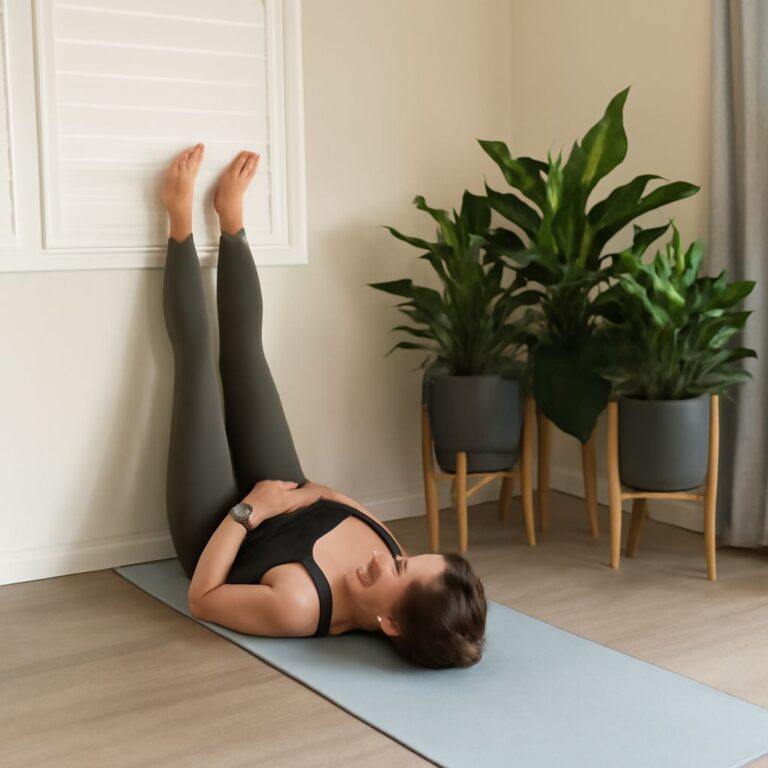
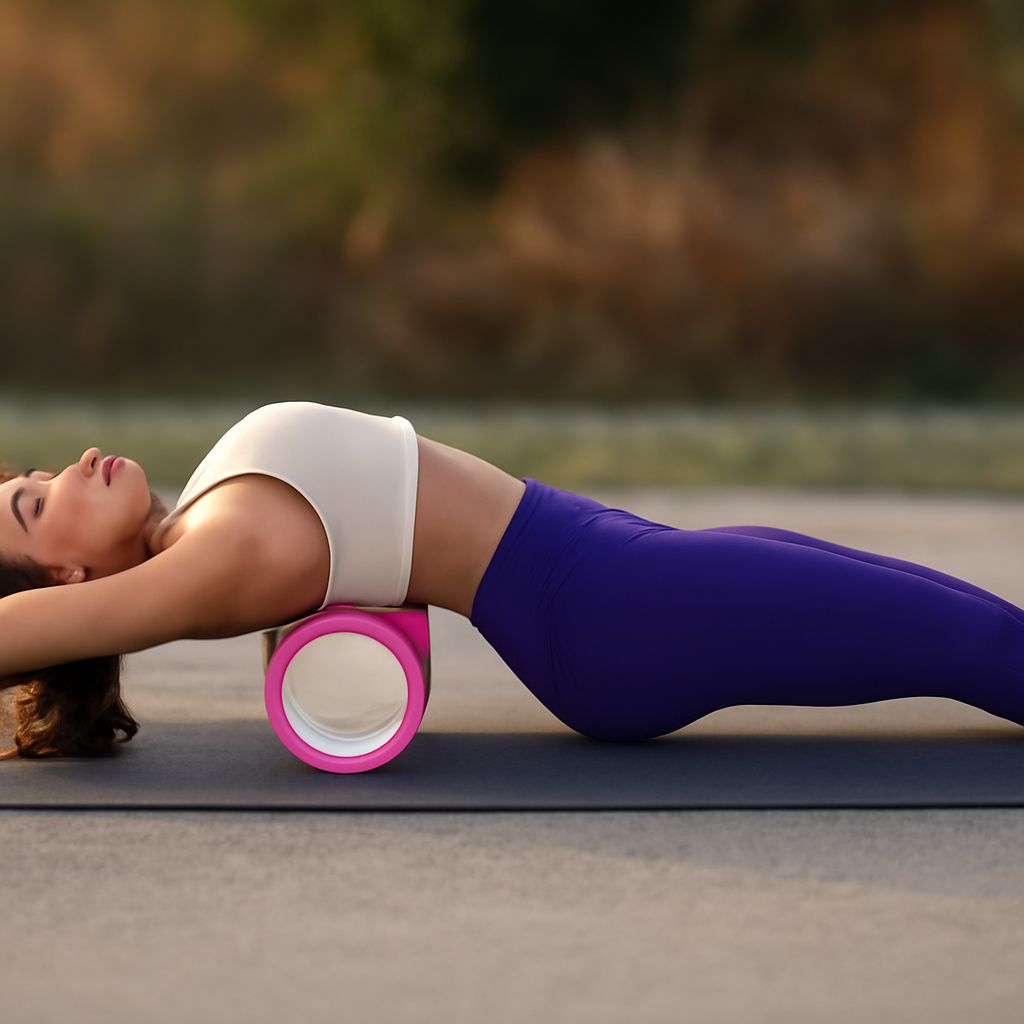
Yoga offers numerous poses that can support back health for those with scoliosis. Poses such as downward-facing dog and cobra can improve spine alignment and muscle engagement. By adopting these poses, individuals can cultivate a more balanced and resilient posture.
Flexibility Enhancement
Yoga is especially useful in promoting flexibility. Poses like triangle and warrior can stretch and strengthen muscles along the spine, enhancing overall flexibility. Practicing these movements regularly can lead to noticeable improvements in physical capabilities and comfort.
Creating a Routine
Consistency and Progress
Establishing a consistent exercise routine is vital for individuals with scoliosis. Regular practice not only aids in flexibility enhancement but also ensures steady progress in strength and pain reduction. Commitment to a structured routine can foster significant improvements in spinal health.
Tracking Improvements
To maximize the benefits of scoliosis exercises, tracking improvements is essential. Keeping a journal or using apps to record exercise frequency and physical changes can offer valuable insights. This method helps in identifying effective practices and areas needing adjustment for better outcomes.
Safety Tips
Consulting Professionals
Before starting a new exercise regimen, consulting healthcare professionals is recommended. Physical therapists or orthopedists can offer guidance tailored to individual needs, ensuring exercises are safe and effective for those with scoliosis.
Avoiding Harmful Movements
Some movements may exacerbate scoliosis-related issues. Avoiding exercises that strain or twist the spine excessively is crucial. Instead, focus on gentle, supportive movements that promote spinal health and prevent injury.