Many believe that mastering a forearm stand requires years of training and natural flexibility. However, this is a myth. In reality, with the right guidance and practice, anyone can learn to perform a yoga forearm stand. This key posture plays a significant role in Anya Yoga and Ojas Yoga, offering a pathway to enhancing strength and balance, which are essential components of float yoga practices. Let’s dive into the misconceptions and understand how you can achieve this transformative pose.
Have you ever wondered why some people seem to effortlessly float in their yoga poses while others struggle? The secret lies in their approach to practice and understanding of techniques like Anya Yoga and Ojas Yoga. These methods are rooted in principles that emphasize balance and control, which are vital not only for mastering the forearm stand but also for advancing in float yoga.
Introduction to Forearm Stand Yoga
What is Forearm Stand Yoga?
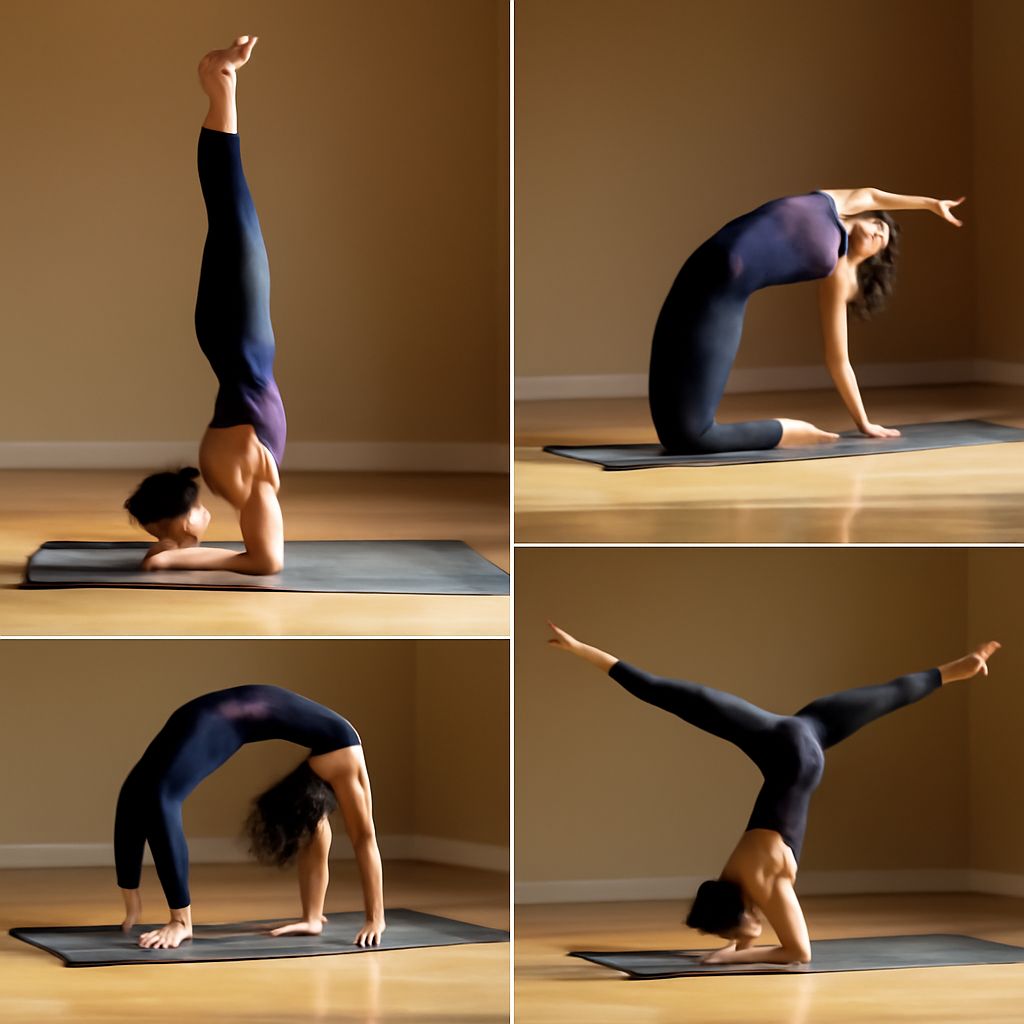
The forearm stand, known as Pincha Mayurasana in Sanskrit, is an inversion posture where the body is balanced upside down on the forearms. This pose is not just about physical strength; it requires mental focus and alignment. It is popular in various yoga disciplines, including Anya Yoga, where the emphasis is on inner awareness, and Ojas Yoga, which focuses on building energy and vitality.
Benefits of Forearm Stand Yoga
Practicing the forearm stand enhances muscular strength, particularly in the shoulders, arms, and core. It also improves balance and coordination, making it an integral part of float yoga practices. Additionally, it offers mental benefits, such as increased concentration and confidence, as practitioners learn to conquer their fears and trust their abilities.
Preparing for Yoga Forearm Stand
Warm-up Exercises
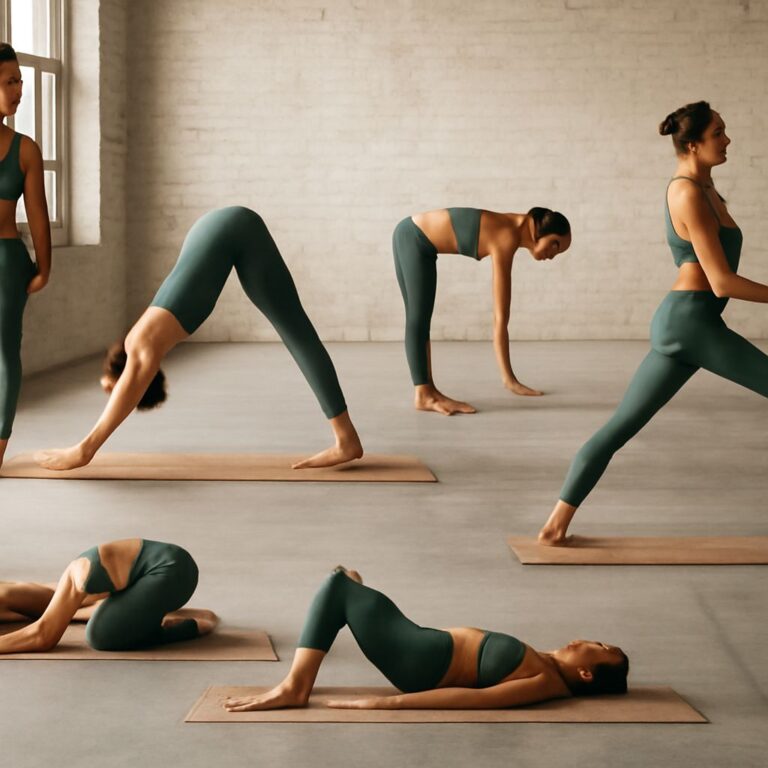
Before attempting a forearm stand, it’s crucial to prepare your body with warm-up exercises. Focus on strengthening the shoulders and core muscles to provide the necessary support. Engage in poses such as Dolphin Pose and Plank to activate these areas. Gradual stretching of the wrists and shoulders will also prevent strain and injury during your practice.
Essential Tips for Beginners
Beginners should prioritize safety and alignment. Begin by practicing against a wall for support, gradually relying less on it as your balance improves. Pay attention to the placement of your forearms and ensure they remain parallel to the sides of your mat. Consistent practice and patience are key to mastering this pose.
Steps to Achieve a Perfect Forearm Stand
Step-by-Step Guide
To start, kneel on the mat and place your forearms firmly on the ground. Interlace your fingers or keep palms flat, forming a stable base. Lift your hips and walk your feet closer to your torso. Gently kick off with one leg while engaging your core to lift both legs towards the ceiling. Maintain an engaged core and controlled breathing throughout the process.
Common Mistakes to Avoid
Avoid arching your back excessively or letting your elbows splay outwards, as this can destabilize the pose. Keep your gaze steady and focused on a fixed point to maintain balance. Resist the urge to rush into the pose; instead, work progressively and listen to your body.
Incorporating Anya Yoga and Ojas Yoga Techniques
Anya Yoga Approach
Anya Yoga encourages practitioners to develop an inward focus and awareness during their practice. Bringing this mindset to your forearm stand can help enhance stability and mindfulness. Use breathwork to connect your movements and align your body and mind.
Ojas Yoga Influence
Ojas Yoga emphasizes building inner energy and vitality. Incorporating Ojas principles into your practice can provide the strength and endurance needed for a sustained forearm stand. Visualization techniques can also be beneficial, helping you channel energy through your body for improved performance.
Advancing to Float Yoga Practices
Transitioning from Forearm Stand
Once comfortable with the forearm stand, you can begin to explore transitions into other float yoga poses. These transitions require a solid understanding of balance and coordination, which are honed through consistent practice of the forearm stand.
Enhancing Balance and Control
Refining your balance and control involves integrating breath and movement seamlessly. As you progress, experiment with different leg positions and arm variations. This exploration will not only advance your practice but also deepen your connection to the yoga discipline.