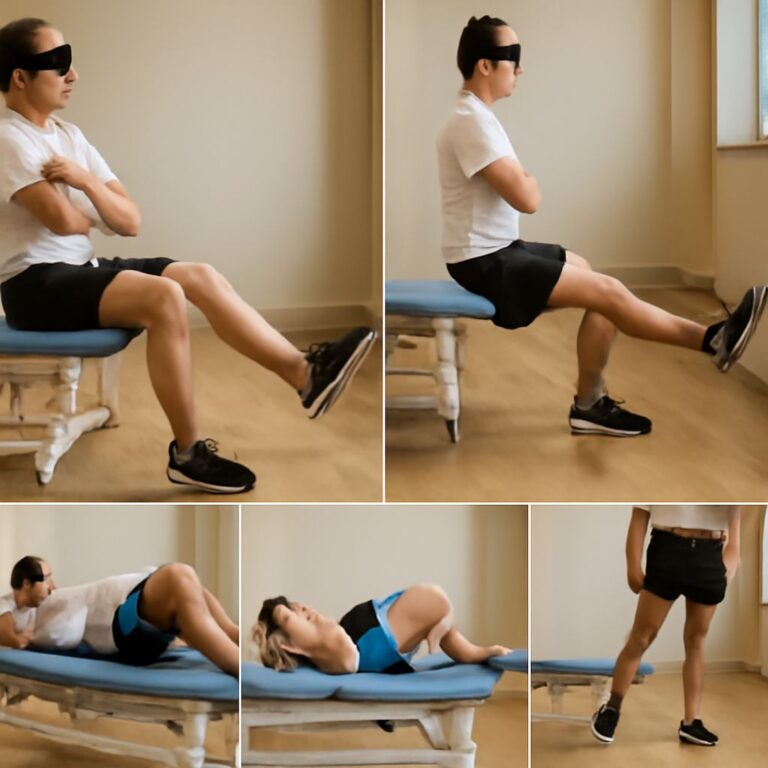
Squats are a foundational exercise in many fitness regimens, yet they often come with unexpected side effects, such as hip pain. Many assume that any discomfort is an inevitable part of strength training, but this isn’t always the case. Hip pain from squats can be avoided with proper technique and awareness of individual limitations.
Interestingly, insights from yoga blogs suggest that flexibility and balance play pivotal roles in maintaining hip health during such exercises. Furthermore, treadmill workout apps have introduced novel methods to enhance your overall fitness journey. Understanding the interplay between these factors can significantly reduce discomfort and improve your squat routine.
Understanding Hip Pain After Squats
Common Causes
Several factors contribute to hip pain during squats. One frequent issue is poor form, which places unnecessary stress on the hips. Tight muscles, particularly in the hip flexors, can also lead to discomfort. Additionally, existing conditions like arthritis or bursitis may exacerbate pain during squats, making it essential to address these health factors before continuing with exercise.
Risk Factors
Risk factors for hip pain from squats include previous injuries, inadequate warm-up routines, and overtraining. Those who frequently engage in high-intensity workouts without proper rest may experience greater incidences of pain. Age and genetics also play a role, affecting joint health and flexibility. By understanding and mitigating these risks, one can pursue a pain-free fitness journey.
Preventing Hip Pain from Squats
Proper Squat Technique
Ensuring proper squat technique is critical in preventing hip pain. Start by standing with feet shoulder-width apart, and keep your back straight. Lower your body by bending at the knees and hips, ensuring your knees do not extend past your toes. Engaging the core helps maintain stability and reduces undue pressure on the hips.
Strengthening Exercises
Incorporating specific strengthening exercises can help prevent pain. Focus on building the muscles around the hips, including the glutes and abductors. Engaging in exercises like lunges, bridges, and hip thrusts can enhance muscle support and alleviate stress on the joints. Regularly practicing these movements will contribute to more robust and pain-free squats.
Recovery and Relief Strategies
Yoga for Hip Pain
Yoga offers numerous benefits for those experiencing hip pain after squats. By promoting flexibility and reducing muscle tension, yoga helps alleviate discomfort. Poses like the pigeon or butterfly stretch the hip area and enhance mobility. Regular yoga practice can be a complementary method to traditional recovery techniques, ensuring a holistic approach to pain relief.
Benefits of Treadmill Apps
Treadmill workout apps have transformed the way individuals approach cardio and recovery. These apps can guide users through low-impact exercises, helping to maintain cardiovascular fitness without aggravating hip pain. Moreover, these applications offer customizable plans tailored to individual needs, ensuring a safe and effective workout experience.
Incorporating Technology in Workouts
Best Treadmill Workout Apps
The best treadmill workout apps provide a range of features, from virtual coaching to interactive routines that keep users engaged. They offer a convenient way to track progress and adjust workouts based on personal performance levels. This technological aid ensures that users can maintain a balanced fitness regimen that complements their strength training efforts.
Tracking Progress with Apps
Tracking progress with apps is essential for understanding improvements and identifying areas needing focus. These applications often include features like step counts, heart rate monitoring, and personalized feedback. By using these insights, individuals can adjust their workouts, reduce the risk of injury, and enhance their overall fitness journey.