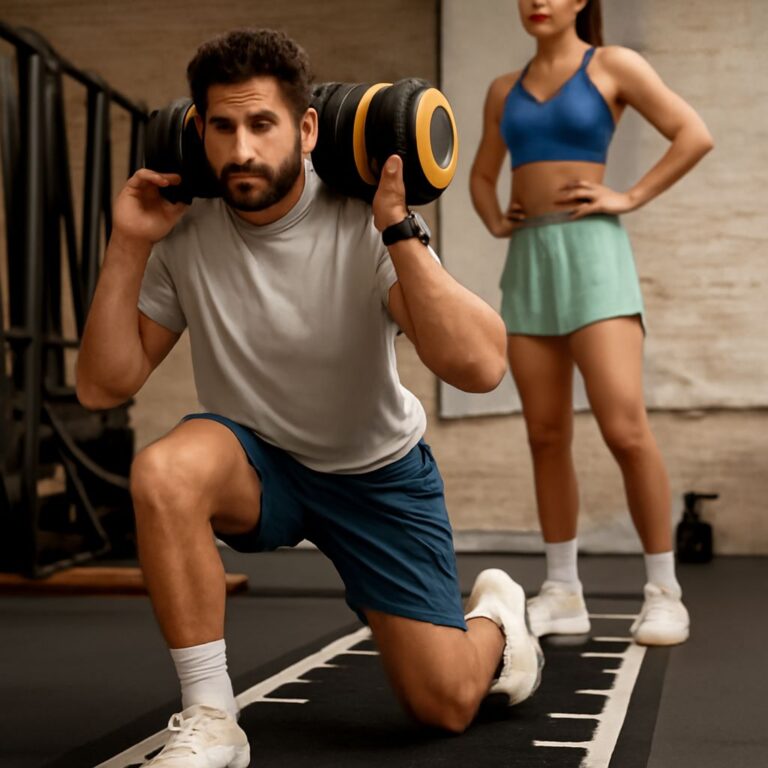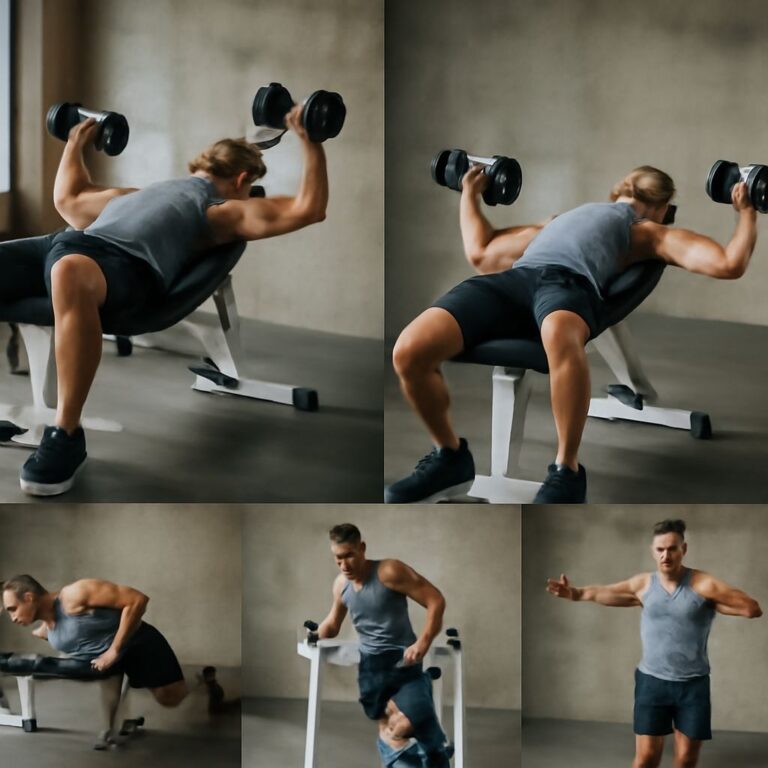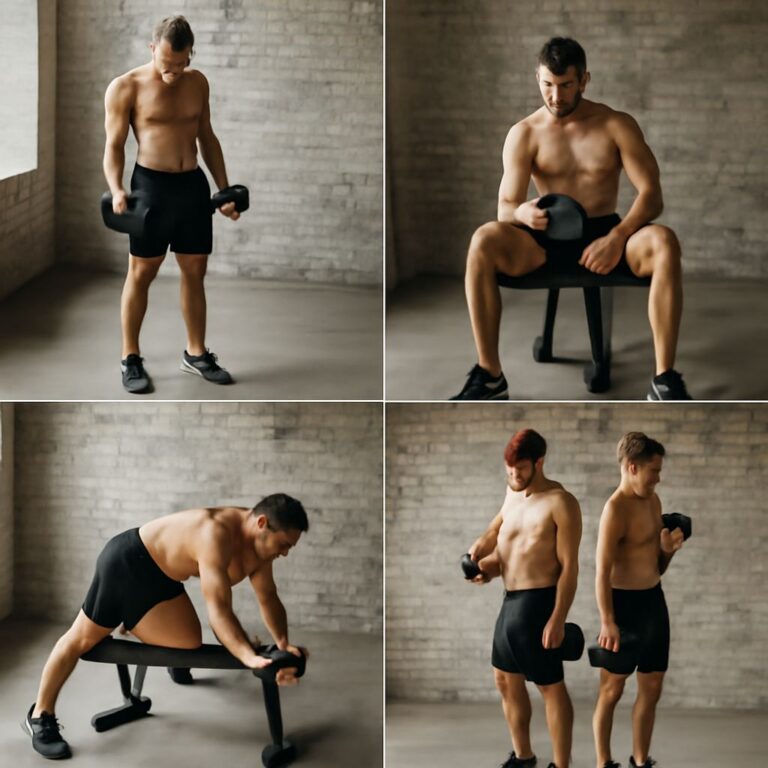
It’s time to rethink what you know about getting stronger arms. Many believe that bicep exercises are only for bodybuilders or those chasing big muscles, but that’s just one side of the story. Anyone can benefit from targeted biceps training—whether your goal is functional strength, athletic performance, or simply feeling more confident in a t-shirt. The truth is, biceps are involved in many daily tasks, and a smarter approach to workouts for biceps can boost both appearance and practical power.
There’s also a myth that you need fancy equipment or endless variation. In reality, a well-designed dumbbell bicep workout, paired with simple bicep work out tips, can deliver impressive growth and definition. This guide will break down the best moves and strategies for building stronger arms—no matter your fitness level, experience, or goals.
Why Focus on Bicep Exercises?
Biceps aren’t just for flexing at the gym—they play a crucial role in upper body strength. Every time you pick up groceries or pull yourself up, those muscles are hard at work. By including workouts for biceps in your routine, you improve your ability to lift, carry, and even perform sports movements with more efficiency.
It’s not just about isolation; your biceps assist in pulling exercises like rows and chin-ups. Prioritizing bicep exercises supports joint stability in the elbows and shoulders, helping to prevent injuries commonly seen in athletes and weekend warriors alike. While you may focus on building larger arms, the functional benefits are just as important.
Regularly training your biceps also contributes to balanced arm development. Neglecting these muscles can lead to imbalances, which sometimes result in aches or setbacks. In short, a little focused effort pays off in both performance and aesthetics.
Essential Workouts for Biceps
When choosing exercises, variety is key. Classic moves like the standing barbell curl remain a staple, but mixing up your approach keeps muscles guessing and growing. Incorporate different grips and angles to stimulate all parts of the bicep muscle group.
Alternating dumbbell curls are a fantastic way to work each side independently, helping to correct any strength differences between arms. Hammer curls, which shift your hand position, target not only the biceps but also the brachialis and forearm muscles. These subtle changes add up to broader, fuller arm development.
Don’t forget compound moves. Chin-ups and underhand grip rows activate the biceps while engaging back and shoulder muscles. By combining isolation and compound lifts in your routine, you’ll achieve both size and functional power.
To keep your muscles challenged, try adjusting tempo, increasing reps, or tweaking grip width. Even small alterations to familiar workouts for biceps can yield fresh results.
Dumbbell Bicep Workouts for All Levels
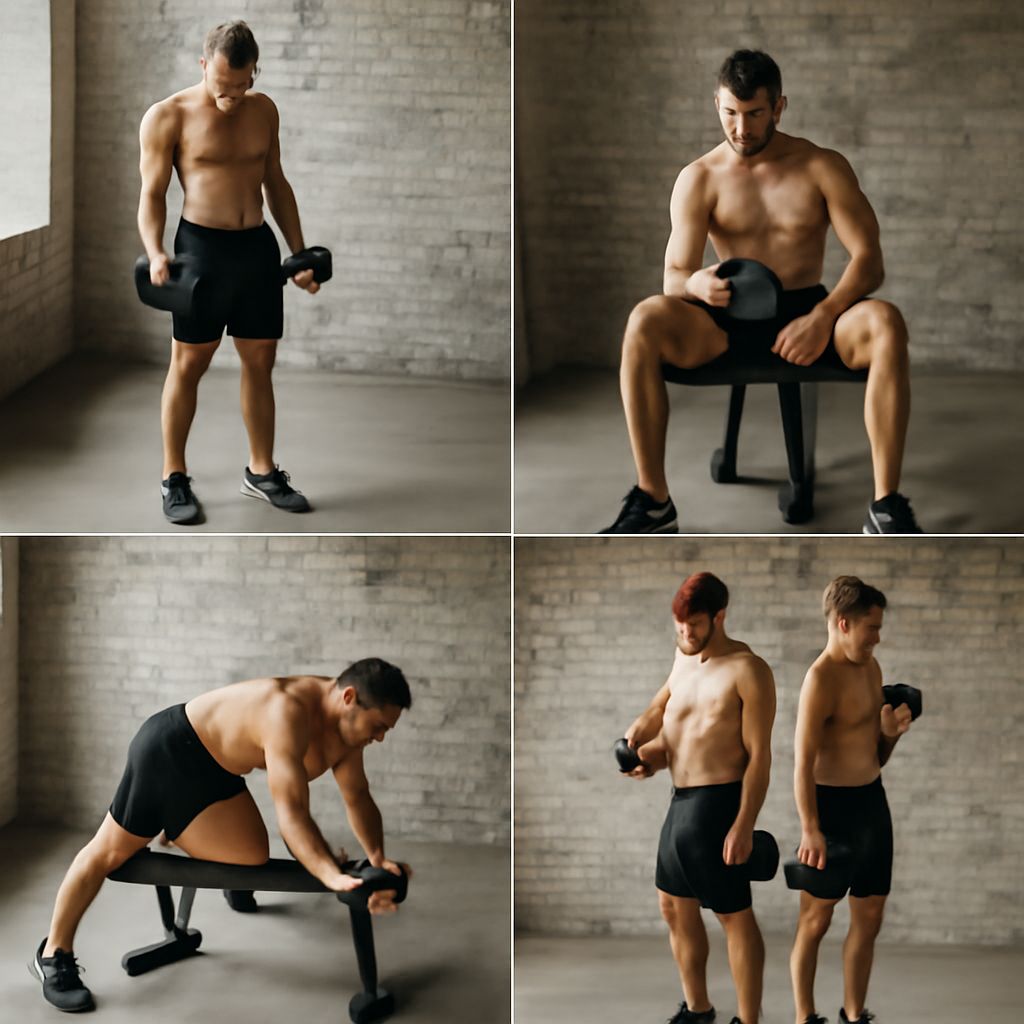
You don’t need a gym membership for effective bicep training. A pair of dumbbells unlocks countless options—from beginner-friendly curls to advanced variations. If you’re new, start with seated curls to focus on form and muscle activation. As you gain confidence, progress to standing or alternating dumbbell curls for increased intensity and stability work.
Dumbbell hammer curls, preacher curls (using a bench, if available), and concentration curls offer ways to keep your sessions interesting. Each movement places unique stress on the biceps and surrounding stabilizer muscles, which means consistent progress and reduced injury risk.
For experienced lifters, try incorporating dropsets or supersets into your dumbbell bicep workout. Performing curls until failure, then immediately lowering the weight and continuing, challenges endurance and muscular growth. Pairing curls with triceps moves (for example, kickbacks) can maximize arm pump and efficiency.
Regardless of your experience, focus on slow, controlled repetitions and full range of motion. This ensures you’re targeting the muscles effectively, minimizing momentum and maximizing results.
Bicep Work Out Tips for Better Results
Technique always beats heavy weights. When striving for growth, prioritize controlled motion over ego-lifting. A common error is swinging the body or using momentum to lift the dumbbells, which shifts the effort away from your biceps and can lead to strain.
Quality repetitions matter more than sheer volume. Two to three focused sessions per week, using a variety of movement patterns, trumps daily, repetitive training. For the best outcomes, track your progress—gradually increasing resistance, reps, or time under tension as you improve.
Pay attention to your grip as well. Switching between supinated (palms up), neutral (palms facing each other), and pronated (palms down) hand positions can help you hit new muscle fibers and stave off plateaus. Don’t neglect rest days; muscles grow during recovery, not just while lifting.
Practical bicep work out tips also include warming up thoroughly and stretching after your session. This helps prevent injuries and supports long-term progress.
Common Mistakes in Bicep Training
One major pitfall is overemphasizing arm isolation at the expense of compound exercises. Relying only on curls, without developing supporting muscle groups, can result in imbalanced growth and increased risk of strain.
Using excessively heavy weights is another frequent error. It’s tempting to chase bigger numbers, but sacrificing form undermines your efforts and may cause joint pain over time. Instead, focus on performing reps slowly and with full contraction for a better stimulus.
Skipping the mind-muscle connection is also a misstep. Concentrate on feeling your biceps contract through each repetition. Visualize the muscle working—this mental focus helps maximize activation and results.
Lastly, failing to vary your dumbbell bicep workout can stall progress. Change up your routine every several weeks to keep stimulating growth and prevent adaptation.
Sample Bicep Workout Routine
A balanced session, whether at home or in the gym, might look like this:
- Standing dumbbell curls: 3 sets of 10–12 reps
- Hammer curls: 3 sets of 10 reps
- Chin-ups (underhand grip): 3 sets of as many reps as possible
- Concentration curls: 2 sets of 12 reps per arm
Rest for 60–90 seconds between sets and focus on quality over quantity. Rotate in different exercises over time based on your needs and recovery.
Don’t forget: consistency and progressive overload are keys to success. Gradually increase your weights, reps, or sets as your strength improves.
Frequently Asked Questions
How often should I train biceps? Two to three times per week works for most people, with at least one rest day in between sessions.
Can I build muscle with only dumbbells? Absolutely! A well-structured dumbbell bicep workout can stimulate growth and develop size when paired with good nutrition and recovery.
How long until I see results? Visible progress typically appears after four to eight weeks of consistent, focused training and adherence to these bicep work out tips.
Safety recap: Always use proper form, warm up before lifting, and listen to your body. With the right approach, your workouts for biceps will lead to both stronger and healthier arms.