Many people believe choosing reading glasses is a straightforward process, often underestimated in complexity. However, determining the correct reading glasses strength requires more than picking the most visually appealing frames. The process involves understanding various factors such as lens power and the distance from which you read. A reading glasses strength chart is a useful tool to navigate these considerations, offering insights into what strength readers you might need based on age and reading habits.
Another common misconception is that all reading glasses offer the same level of correction, regardless of the power. In reality, the reading glass strength you choose can significantly impact your reading comfort and visual clarity. Performing a reading glasses strength test can provide a more accurate assessment of the power you require, ensuring a more tailored and effective solution. This guide will explore these aspects in detail, helping you make informed decisions to enhance your reading experience.
Understanding Reading Glasses Strength
Reading glasses strength is essentially the magnification power of the lenses, measured in diopters. The power ranges typically from +1.00 to +4.00, increasing in increments of 0.25. Each increment corresponds to the glasses’ ability to enlarge text, making it easier to read for individuals experiencing presbyopia — the age-related difficulty in focusing on close objects.
Choosing the right reading glasses requires understanding how these levels relate to your vision needs. For instance, if you find yourself holding books further away to see clearly, you might need a higher power. Conversely, if your vision is only slightly blurred up close, a lower diopter may suffice. Your choice should reflect both comfort and clarity.
Using a Reading Glasses Strength Chart
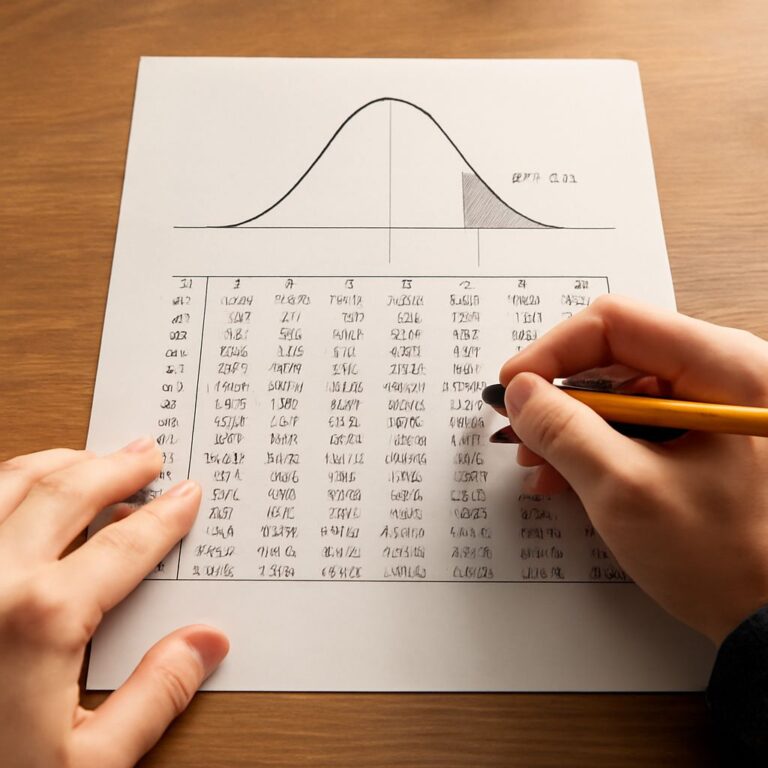
A reading glasses strength chart serves as an excellent reference point when selecting appropriate lenses. Typically, these charts suggest strengths based on age and typical reading distances. For instance, individuals between 40-45 years may start with +1.00, while those over 65 might require +2.50 or higher.
While age charts provide a general guideline, individual needs can vary significantly. It’s essential to consider personal factors like how often you read and your typical reading distance. The chart offers a starting point, but your unique vision demands should ultimately guide your choice.
What Strength Readers Do I Need?
Determining Your Needs
To determine the strength readers that work best for you, start by evaluating how often you struggle with reading small print. If you frequently find yourself squinting or experiencing headaches after prolonged reading sessions, it may indicate the need for stronger magnification.
Consider using a DIY approach by trying different reading glasses at a local store. Experiment by reading text at varying distances to observe which strength offers the best clarity and comfort. This hands-on approach allows you to directly assess your needs.
Common Strength Levels
Strength levels for reading glasses are typically categorized into ranges suitable for different age groups. The most common levels include +1.00, which is often recommended for those just beginning to notice changes in their reading vision. As you age, if reading becomes more challenging, the power may increase up to +3.00 or +3.50.
Remember, these are general guidelines, and individual needs may differ. Your choice should be based on how comfortably you can focus on text without straining your eyes.
Performing a Reading Glasses Strength Test
Conducting a reading glasses strength test can be an effective way to pinpoint the exact power you require. This test involves reading text at different distances and under various lighting conditions to evaluate clarity and comfort. Many optometrists provide this testing service as part of a routine vision check, offering professional insight into your specific strengths.
Engaging in regular eye exams is crucial, as vision can change over time. These exams can help monitor your reading glass strength needs, ensuring your lenses evolve with your vision.
Tips for Choosing the Right Reading Glass Strength
When selecting your reading glasses, prioritize comfort and clarity over aesthetic preferences. Ensure the frames fit well and do not slide down your nose, as this can affect the effectiveness of the lenses.
- Consider lens coatings that reduce glare and improve visual comfort, especially if you frequently read under artificial lighting.
- Test various strengths yourself to find the perfect match. Trying different powers can reveal what provides the clearest vision.
- Consult professionals for advice. Eye care experts can offer personalized recommendations based on your unique vision needs.
Ultimately, choosing the correct reading glass strength involves understanding your specific vision requirements and using tools like strength charts and tests to guide your decision. By considering these factors, you can ensure your reading experience is both comfortable and enjoyable.