When embarking on a journey to develop stronger shoulders, many enthusiasts focus solely on the larger, more visible muscle groups, often neglecting the crucial front deltoids. There’s a common myth that front delt exercises are not essential and can even be detrimental due to overtraining. However, incorporating front shoulder workouts effectively into your routine is key to achieving balanced and powerful shoulders. Let’s dive into how front deltoid exercises can transform your fitness regimen.
Another misconception surrounding front deltoid workouts is that they only benefit aesthetic goals, but the truth is far more profound. Front delt exercises offer functional strength that enhances everyday activities and sports performance. In reality, these workouts are not just about looking good; they contribute significantly to your overall shoulder health and stability.
Understanding the Front Deltoids
The front deltoids, or anterior deltoids, are one of the three heads of your shoulder muscles. Located on the front part of the shoulder, they play a pivotal role in most pushing movements. Understanding this muscle group is critical for optimizing your workout plan. Developing the front deltoids enables you to perform a variety of exercises with increased efficiency and safety, as they are involved in both lifting and pressing actions.
Benefits of Front Delt Exercises
Front delt exercises offer numerous benefits that extend beyond mere aesthetics. They enhance your shoulder’s functional capacity, which is vital for activities ranging from lifting groceries to playing sports like tennis. These exercises help in stabilizing the shoulder joints, thereby preventing injuries that can arise from imbalanced muscle development. Furthermore, focusing on the front delts contributes to improved posture, reducing the risk of rounded shoulders that result from prolonged desk work or poor alignment.
Top Front Delt Exercises
Seated Dumbbell Press
The seated dumbbell press is a staple in targeting the anterior deltoids. Begin seated with your back straight and feet planted firmly on the ground. Hold a dumbbell in each hand at shoulder height, then press them upward, extending your arms fully without locking the elbows. This exercise emphasizes the front delts while also engaging the triceps and upper chest muscles.
Front Raise Variations
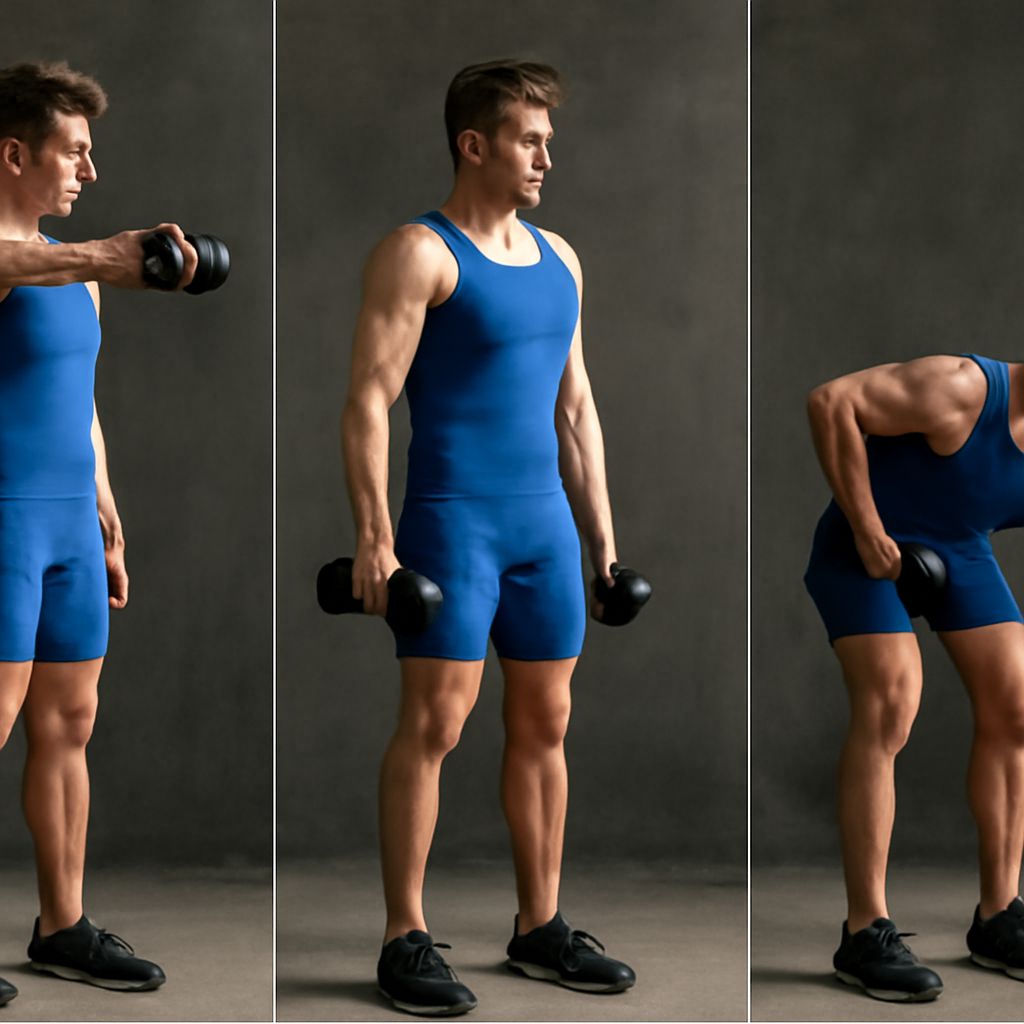
Front raises can be performed with various equipment like dumbbells, barbells, or cables. Stand with feet shoulder-width apart, holding the weight with your palms facing down. Lift your arms in front of you to shoulder height, maintaining a slight bend in your elbows. These variations allow you to focus on different aspects of the front deltoid fibers.
Arnold Press
The Arnold press, named after Arnold Schwarzenegger, is a dynamic exercise that targets multiple areas within the shoulder. Start with dumbbells at chest level, palms facing you. Press the weights overhead while rotating your palms outward. This unique rotation movement engages the front delts while also activating the lateral and rear deltoids.
Cable Front Raises
Cable front raises provide constant tension throughout the movement, which maximizes muscle activation in the front delts. Set the cable to its lowest position, grasping the handle with an overhand grip. Raise the handle to shoulder height, focusing on a slow and controlled motion. The cables offer an advantage in maintaining tension, making this an excellent choice for those looking to intensify their front delt workout.
Creating an Effective Front Delt Workout
Integrating front delt exercises into your workout routine requires strategic planning to ensure balanced shoulder development. Consider starting with compound exercises such as the seated dumbbell press before moving to isolation movements like front raises. Prioritize form over weight to avoid injuries and maximize muscle engagement. Remember to integrate rest intervals to allow recovery and prevent overtraining, which can lead to muscle fatigue.
Common Mistakes in Front Shoulder Workouts
A frequent mistake in front shoulder workouts is neglecting the importance of proper form. Poor execution can lead to strain and injury. Another common error is overemphasizing the front delts while ignoring the other heads of the shoulder muscles. This imbalance can lead to shoulder impingement and affect overall shoulder health. Additionally, insufficient warm-up routines can result in inadequate muscle activation, reducing the effectiveness of the workout.
Key takeaways: Front deltoid exercises are essential for achieving well-rounded shoulder strength. They enhance both aesthetic and functional benefits, improving performance and injury prevention. By incorporating a balanced approach to front shoulder workouts, you can maximize gains while maintaining shoulder health.