It’s a common misconception that a narrow stance is the only effective way to perform traditional strength exercises. However, incorporating a wide stance deadlift or squat into your routine can offer unique advantages that narrow stances might not provide. By embracing wide stance exercises, you can engage different muscle groups and enhance your overall performance.
Curious about the hype around wide squats? Let’s break down the myths: these exercises aren’t just for powerlifters or advanced fitness enthusiasts. Beginners can also benefit significantly from integrating wide leg squats into their workouts. By adjusting your technique and form, you can maximize your workout efficiency and boost strength in a whole new way.
Benefits of Wide Stance Exercises
Why Choose Wide Squats?
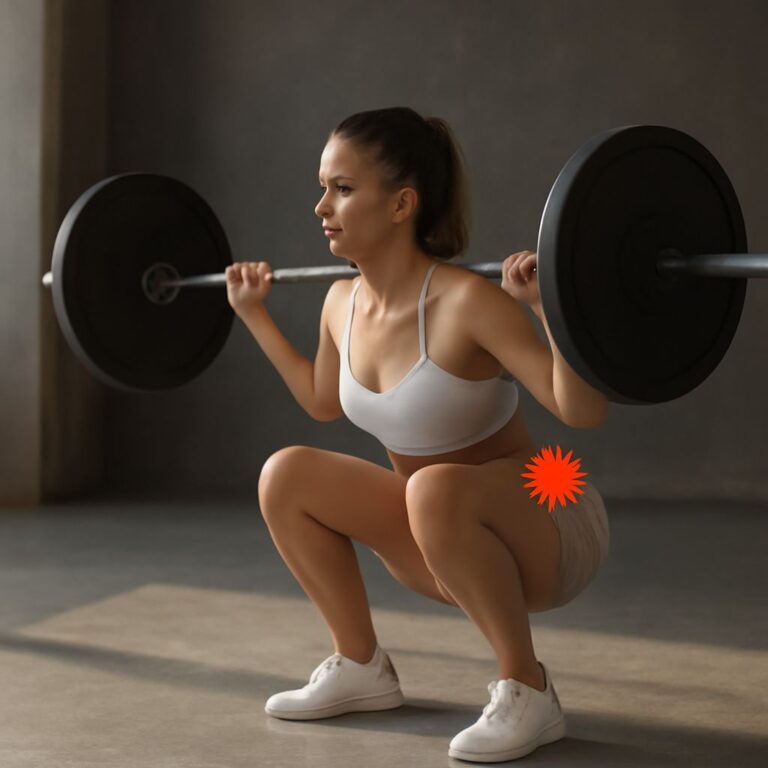
Opting for wide stance squats can provide a range of benefits that extend beyond the typical workout. When you perform these exercises, you’re engaging your lower body muscles in a unique manner. For instance, wide squats emphasize the inner thighs and glutes more than their narrow counterparts do. This engagement can lead to improved muscle development and a more balanced physique.
Another advantage is the potential for greater stability. By widening your base of support, you may find that you have better control over your movements, which can be especially beneficial when lifting heavier weights. Furthermore, performing wide squats can help enhance flexibility in your hips, leading to greater range of motion and reduced risk of injury.
How Wide Stance Deadlift Enhances Performance
The wide stance deadlift is another exercise that can elevate your strength training routine. This variation targets the hip adductors and lower back muscles more intensely, promoting muscle growth and stability. By adjusting the width of your stance, you allow yourself to lift heavier weights with less strain on your lower back.
Incorporating wide stance deadlifts into your exercise regime can also improve your overall athletic performance. The movement pattern closely mimics real-life activities, such as lifting objects off the ground, making it practical beyond the gym. Moreover, this variation can enhance your grip strength and improve your core stability, contributing to better performance in other exercises as well.
Techniques for Safe and Effective Wide Squats
Proper Form for Wide Leg Squats
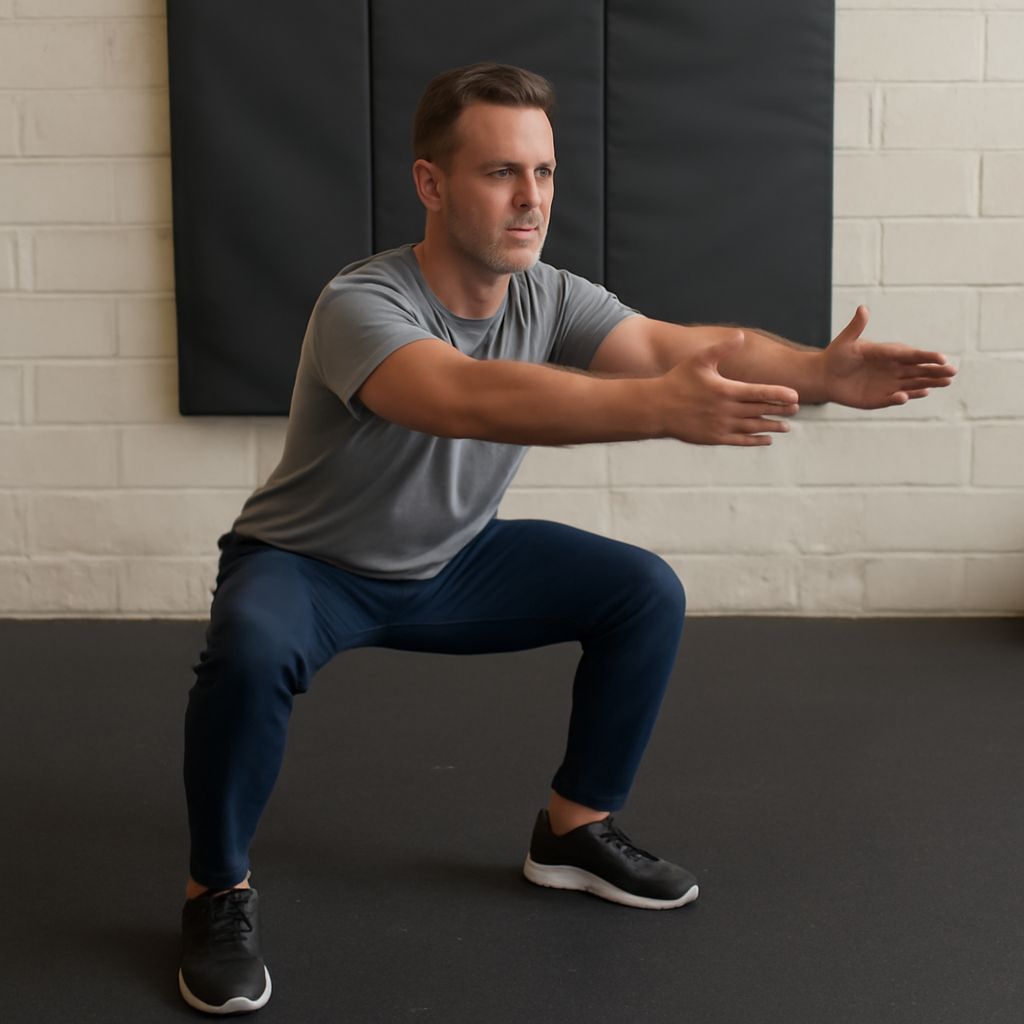
Achieving the right form in wide leg squats is crucial for maximizing benefits and minimizing injury risk. Start by positioning your feet wider than hip-width apart, with your toes slightly pointed outwards. As you lower into the squat, ensure your knees are tracking over your toes and your back remains straight. Maintaining a strong core is essential to provide support throughout the movement.
It’s important to go as low as your flexibility allows while keeping your heels planted on the ground. By focusing on your form, you ensure that the right muscles are being targeted and that you’re not placing undue stress on your joints. Practice regularly to enhance your technique and gradually increase the weight you lift as you become more comfortable.
Common Mistakes to Avoid
While performing wide squats, there are several common mistakes that could hinder your progress. One frequent error is allowing the knees to cave in, which can put excessive strain on the joints. To prevent this, concentrate on pushing your knees outward during the descent and ascent.
Another mistake is rounding the back, a habit that can lead to injury. Keep your chest up and shoulders back to maintain a neutral spine. Additionally, avoid holding your breath during the lift; instead, practice rhythmic breathing to keep your muscles oxygenated and reduce fatigue.
Lastly, be cautious of excessive forward lean. This can shift the focus away from the intended muscle groups and increase the chance of injury. Keep your torso upright by engaging your core muscles and maintaining proper posture throughout the exercise.
Pro tips recap: Embrace the unique benefits of wide stance exercises by incorporating wide stance deadlifts and squats into your routine. Focus on correct form to enhance your workout efficiency. Avoid common pitfalls such as knee collapse and back rounding. With these guidelines, elevate your strength training experience and achieve balanced muscle development.