Mantra Yoga: Sound, Breath, and the Tools That Support Your Practice
Mantra yoga gets dismissed as fringe practice by people who’ve never tried it, and overcomplicated by people who’ve tried too hard. The reality is that repeating a mantra — whether silently or aloud — is a concentration tool, not a religious requirement. It gives the mind an anchor during movement or seated meditation, reducing the mental chatter that makes breath work and stretching feel frustrating. The practice is centuries old, but its application is practical. A yoga band is another misunderstood tool: most people assume it’s only for advanced poses, but it’s actually designed to make beginner-level work more accessible and alignment-focused. A yoga headband is even simpler — it keeps hair and sweat out of your face so you stay in the posture instead of fighting distractions. None of this requires a studio, a specific belief system, or an expensive setup. What you need is a pilates double leg stretch modification you can do at home and a yoga stretch routine you’ll actually repeat.
How Mantra Yoga Works and Why It’s More Than Chanting
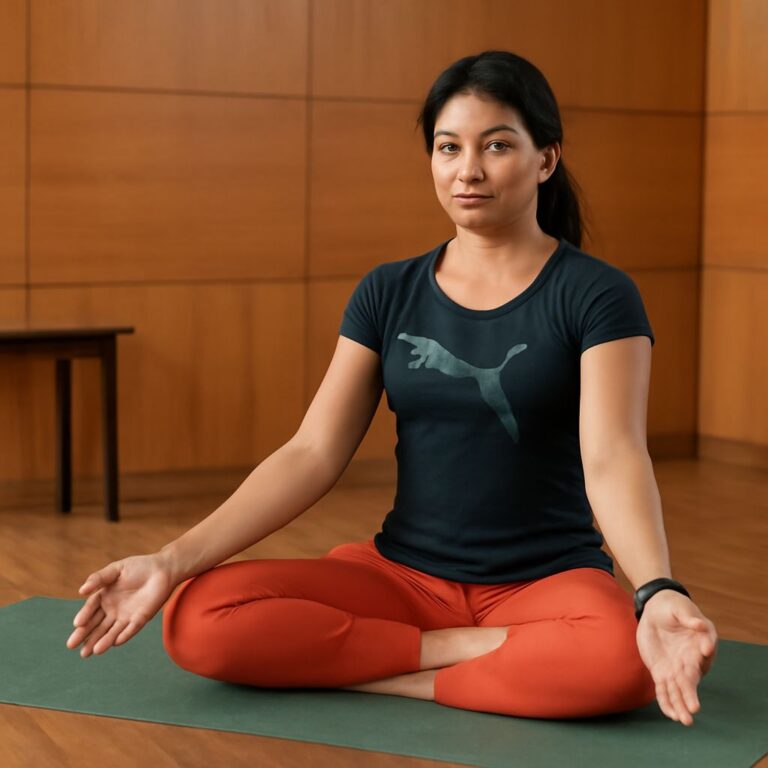
The word “mantra” comes from Sanskrit: “man” (mind) and “tra” (tool or instrument). A mantra is literally a tool for the mind. In mantra-based yoga, you sync a word or phrase with your breath cycle — inhaling on one syllable, exhaling on another. The most commonly used is “So Hum,” meaning “I am that.” But teachers also use affirmations in any language when working with students who prefer a secular frame.
The physiological mechanism is real. Rhythmic repetition of sound activates the vagus nerve through vibration in the chest and throat, which downregulates the sympathetic nervous system — your fight-or-flight response. Practicing mantra-based yoga for ten minutes before a yoga stretch routine produces measurably lower cortisol and heart rate than stretching in silence for some practitioners. The sound, repeating mentally or aloud, gives your prefrontal cortex a task that prevents rumination.
You don’t need to memorize Sanskrit to benefit. Pick a phrase that reflects your intention — “I am steady” or “I breathe” — and repeat it with your inhale and exhale during your practice. The consistency of the syllables matters more than the words themselves. Over weeks, this rhythmic anchoring trains your mind to settle faster when you arrive on your mat.
Gear and Movement: Bands, Headbands, and Stretching Right
A yoga band — also called a strap — solves a specific problem: the gap between where your hand is and where it needs to be for a pose to work safely. In a seated forward fold, most people round their lower back trying to reach their feet. Loop a strap around the soles and hold the ends instead. Now you can keep a neutral spine and get the actual hamstring lengthening the pose is designed for. That’s the entire point of a band: it brings the pose to your body rather than forcing your body toward a shape it isn’t ready for yet.
A yoga headband does one thing well — it stays put. Fabric bands with silicone grip or non-slip lining hold through inversions, sweaty flows, and faster-paced sequences. If your hair slides into your eyes during a Down Dog, you break the flow and break your concentration. A headband removes that friction. It’s not glamour gear. It’s a practical solution.
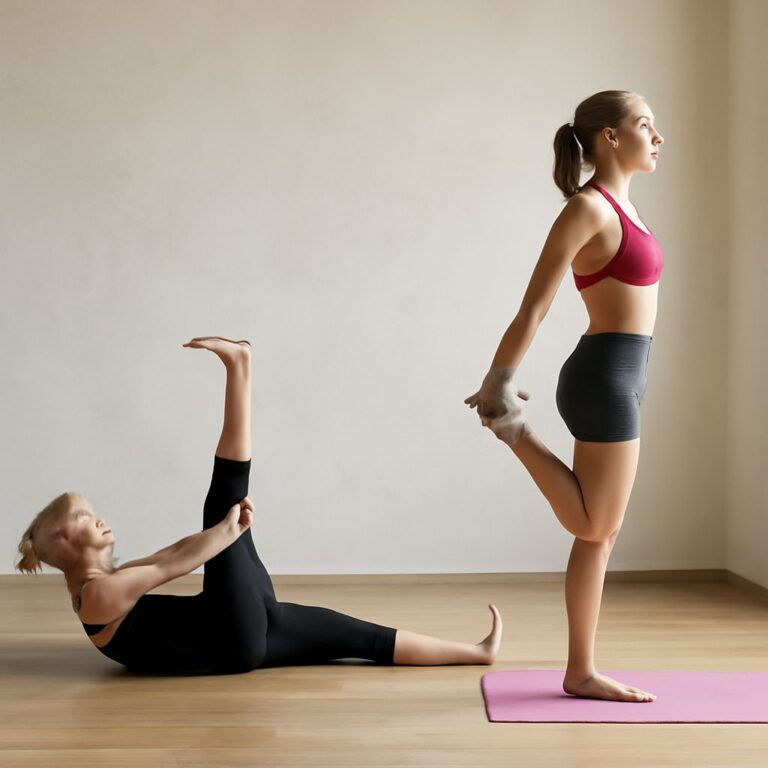
The pilates double leg stretch is worth borrowing for your yoga practice, particularly as a core warm-up before standing poses. Lie on your back, bring both knees to your chest, and curl your head and shoulders off the mat. Inhale as you extend both legs to a diagonal and reach your arms overhead. Exhale as you circle your arms and draw your knees back in. This move trains the deep stabilizers of the spine — the transverse abdominis and multifidus — which are the same muscles that keep you stable in balancing yoga postures. Three to five reps before your standing sequence improves your control noticeably.
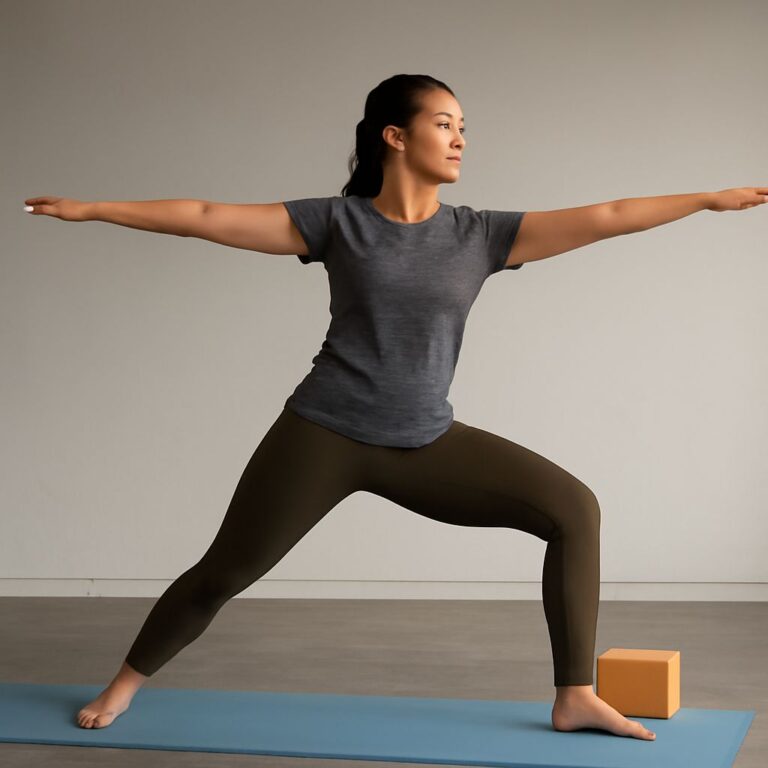
Building a yoga stretch routine that you repeat consistently matters more than making each session perfect. Choose four to six poses that address your personal areas of tightness — hips, hamstrings, thoracic spine, or shoulders. Hold each for five to eight breaths. Add your mantra during the holds. Use your strap where your range limits you. Within three weeks, the routine will feel natural rather than effortful, and the gains in range of motion will be visible.