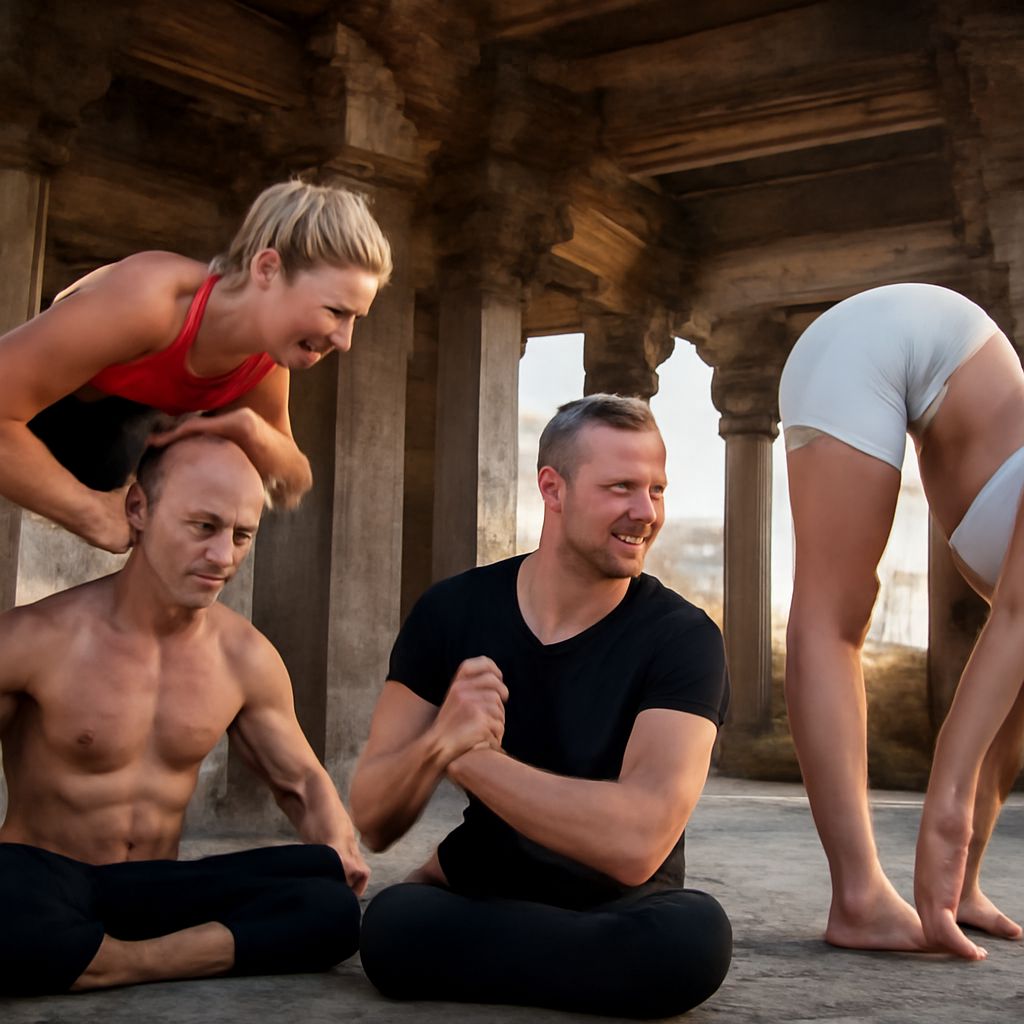
Group yoga poses are often misunderstood as advanced or intimidating, reserved for the most flexible or outgoing practitioners. In reality, yoga practice in groups offers an invigorating pathway toward connection and shared balance, regardless of prior experience. Whether you’re a seasoned yogi or stepping onto the mat for the first time, group yoga poses can support everyone’s journey.
Many believe that yoga is only a solitary pursuit, but the opposite is true—yoga practice flourishes in community settings. By engaging in group yoga poses, you’ll not only deepen your physical balance but also enhance meaningful connection with others. Let’s explore how group yoga practice can transform both your experience and your relationships on and off the mat.
Benefits of Group Yoga Poses
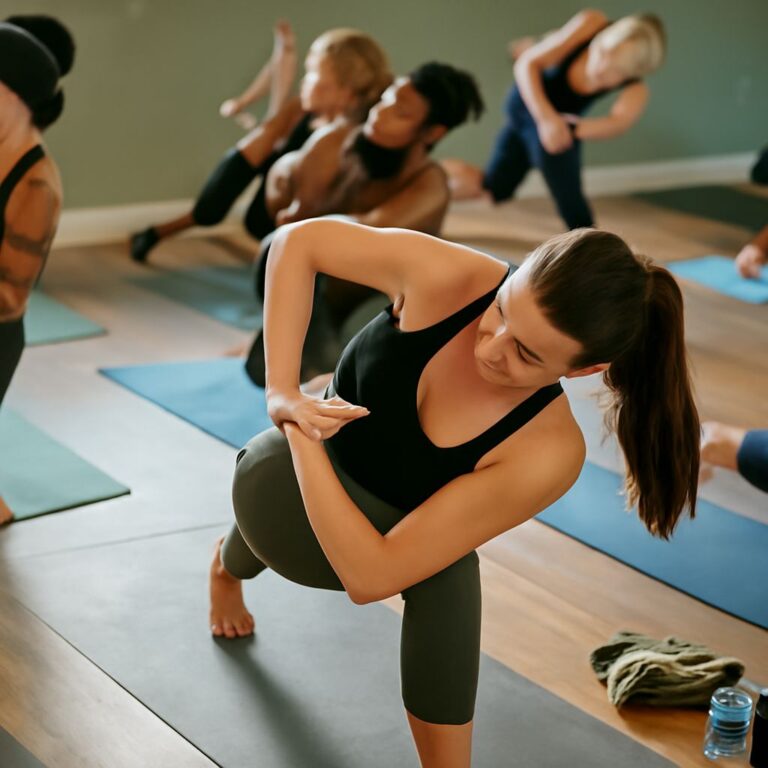
Practicing in a group environment introduces a wealth of benefits that go beyond what’s possible in solo sessions. One of the most profound aspects is the sense of unity and harmony it cultivates. While moving through poses as a team, participants share focus and energy, creating a supportive atmosphere that’s especially nourishing for beginners. This collaborative approach makes yoga practice more inclusive and less intimidating for individuals who may feel hesitant to start alone.
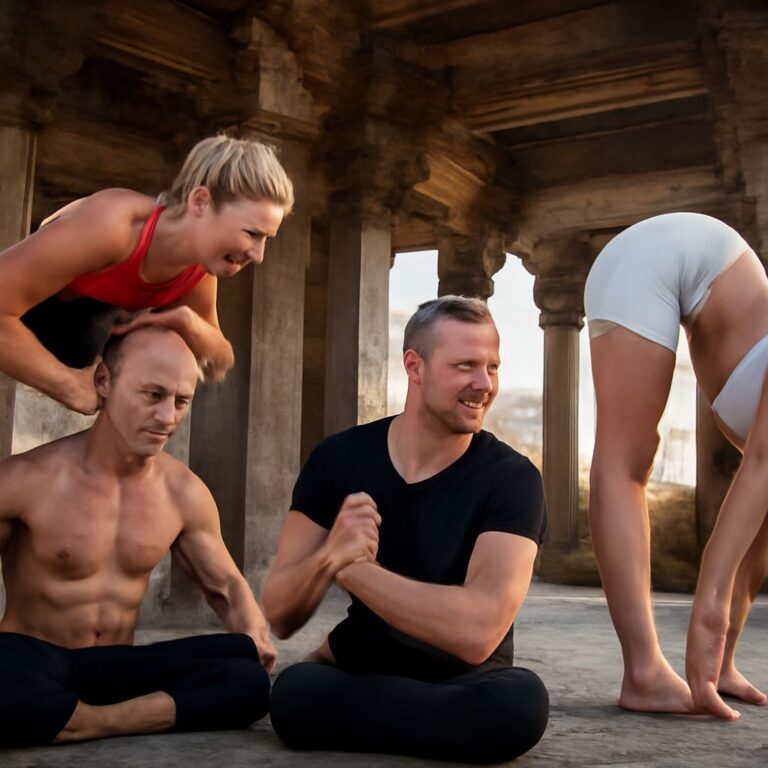
Group yoga poses directly foster connection, both physical and emotional. By coordinating breath and movement with others, you become more attuned to your peers. Trust builds as you support your partners in balance postures or synchronized flows. These positive interactions can strengthen existing friendships and even spark new ones. The shared commitment to presence and mindfulness creates a unique bond among practitioners, often extending beyond the yoga mat into daily life.
Another key benefit is the improvement in balance—not just in the traditional sense of physical stability, but also in how you interact with and respond to others. Working through postures together requires clear communication, patience, and awareness of group dynamics. These skills are valuable in all aspects of life, promoting both self-awareness and empathy. For instance, attempting a formation like group tree pose demands coordinated effort, helping everyone learn to read subtle cues and adjust for mutual steadiness.
Finally, the enjoyment factor of group yoga practice should not be underestimated. Flowing through creative poses as a collective brings a lightheartedness and joy that can invigorate your yoga journey. Laughter, encouragement, and shared accomplishment turn each session into a memorable event, increasing motivation and helping participants stay consistent with their practice.
Tips for Practicing Group Yoga Poses Safely
While group yoga offers many rewards, it also introduces unique challenges that require careful attention. Safety should always be the top priority when attempting shared postures. Before beginning, it’s wise to discuss everyone’s experience level and any injuries or limitations. This open communication helps set realistic expectations and ensures all members of the group feel comfortable voicing their needs throughout the yoga practice.
Start with simple, accessible poses and gradually increase complexity as trust and familiarity grow. For example, partner stretches and basic supported balances are great starting points. As your group becomes more confident, you can explore more intricate formations like group warrior or assisted plank variations. Throughout every pose, prioritize clear instructions and continuous feedback. Check in regularly with your group, asking if anyone needs to adjust or take a break. This helps prevent strain and keeps the practice enjoyable for everyone involved.
Awareness of alignment and proper technique is especially crucial in these settings. Because you’re often physically linked to others, one person’s misalignment can affect the entire group. Paying attention to foundation—such as foot placement and engaged cores—can reduce the risk of falls or injury. Consider enlisting a knowledgeable instructor to guide sessions, especially when learning new poses or progressing to more challenging sequences. Their expertise will provide both safety cues and creative ideas for group yoga poses.
Another important aspect of safe group yoga practice is mutual respect for personal boundaries. Not everyone will feel comfortable with the same level of touch or physical closeness. Encourage an open, judgment-free dialogue about preferences and limits before starting. Using props such as yoga straps, blocks, or bolsters can make difficult poses more accessible and help accommodate different skill levels or physical needs within the group.
Finally, always conclude sessions with a gentle group relaxation or restorative pose. This reinforces the communal energy you’ve built and allows everyone to reset and reflect on their experience. Taking a few moments in group savasana can be deeply grounding, cementing both the physical benefits and the sense of connection gained through practice.
Next steps: To integrate group yoga into your regular routine, invite friends, family, or fellow practitioners to join you for a session. Start small, focus on communication, and gradually explore more dynamic poses as your group’s confidence increases. With patience and mutual support, group yoga practice can become a joyful and sustaining part of your wellness journey.