Getting stronger can make everyday tasks such as carrying groceries and climbing stairs feel more manageable. A workout with resistance gives your muscles a reason to adapt: they produce force against a load that challenges them. You can begin with movements at home and increase the challenge as your control improves.
Strength-training sessions using resistance can involve your own body weight, an elastic band, or a weight. The best starting choice is one you can move steadily through a comfortable range while still feeling the target muscles work.
What Does Resistance Mean?
So, what is resistance exercise? It is movement, or a held position, in which muscles work against a force. In a squat, gravity pulls your body downward while your leg and hip muscles help you lower and rise. In a band row, the stretched band pulls your hands forward while your back and arm muscles pull them toward you.
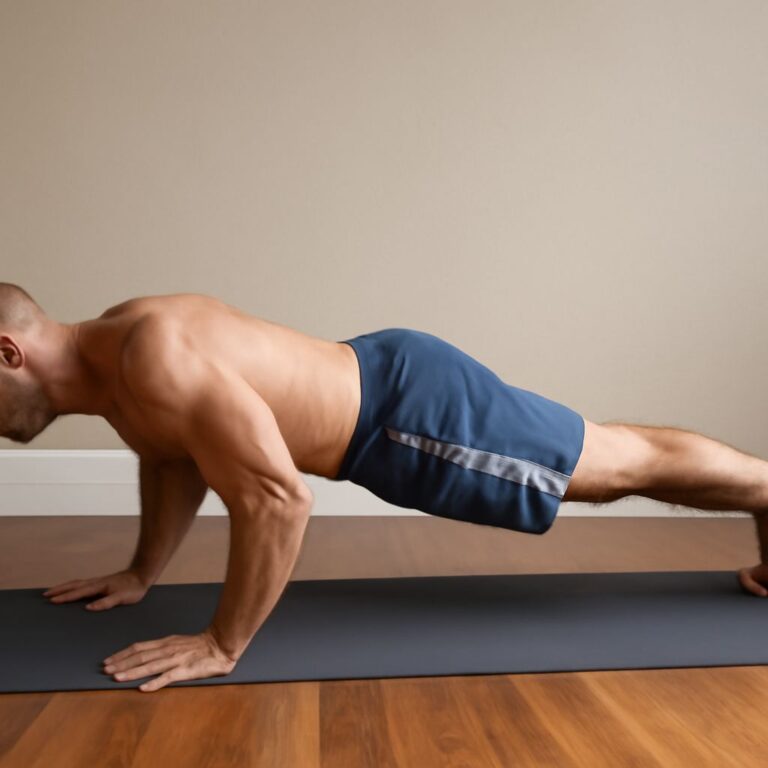
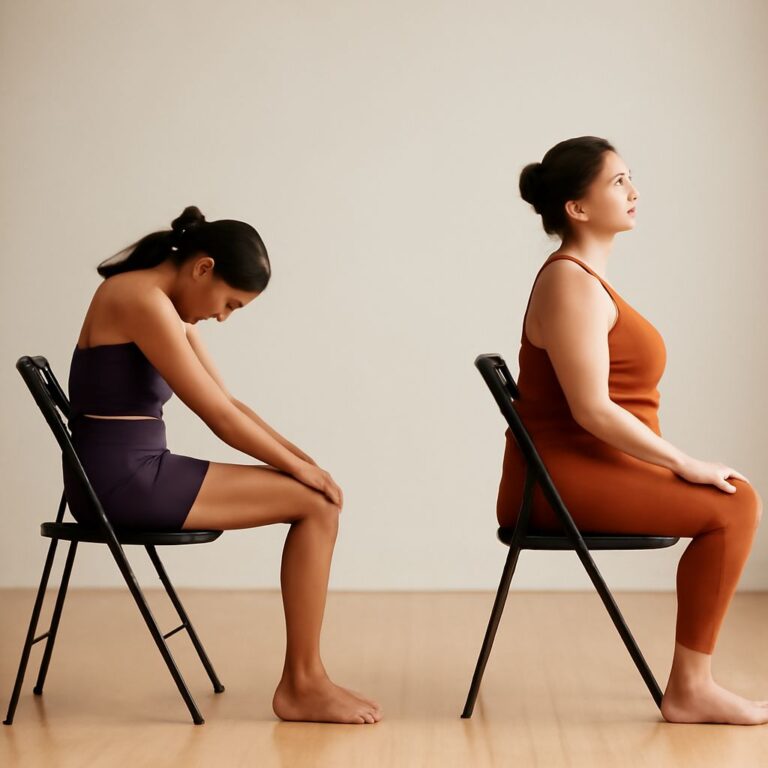
Muscles work during both parts of many movements. When you stand from a chair, your leg muscles shorten as they help lift you. When you sit back down slowly, they lengthen while controlling the descent. In a plank, muscles work to hold a position even though the joints remain relatively still.
The challenge depends on more than the object you use. The angle of your body, the length of a band, the load, and the number of repetitions can all change how demanding a movement feels. A repetition is one complete performance of an exercise; a set is a group of repetitions performed before a rest.
Resistance Training Workouts: Choose Your Starting Tools
The main types of resistance exercises offer different ways to adjust the challenge:
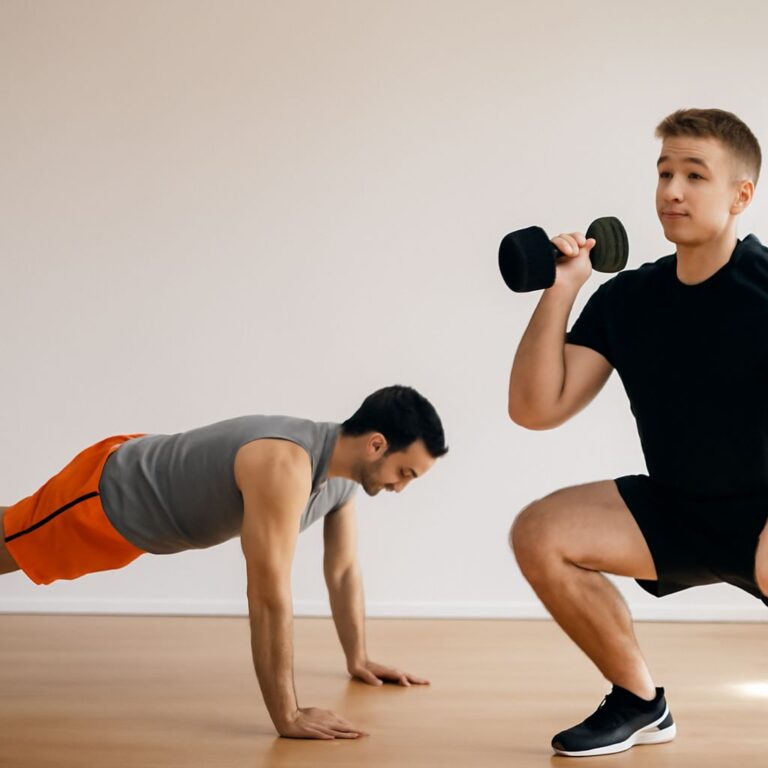
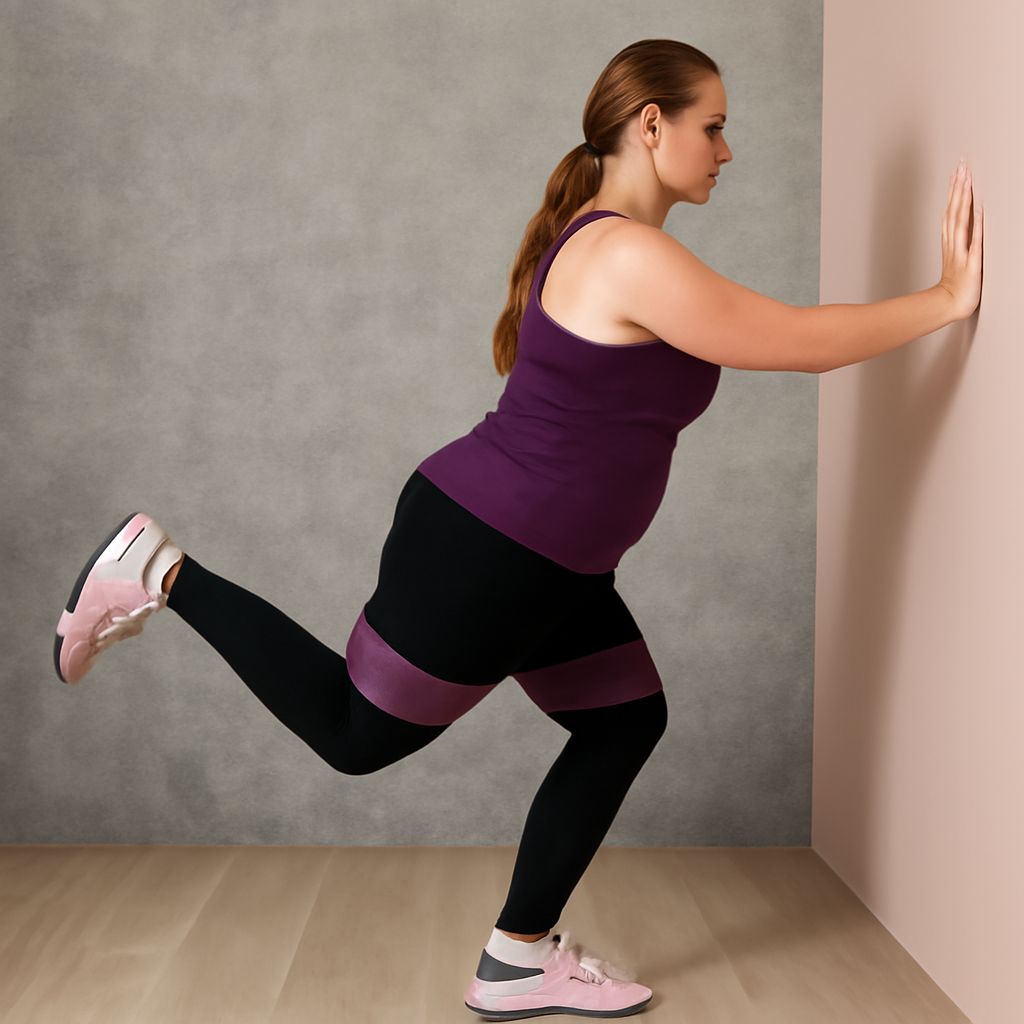
- Body weight: Sit down to and stand up from a sturdy chair for a squat variation. A wall push-up trains the upper body: place your palms against the wall, bend your elbows, and press back. Moving your feet farther from the wall generally makes the push-up harder.
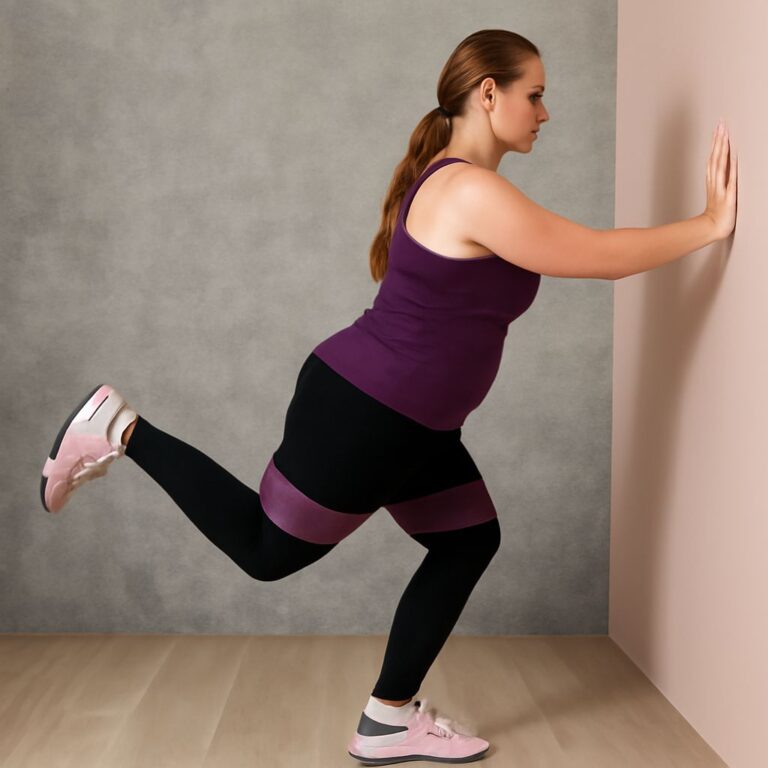
- Elastic bands: For a seated row, loop a band around your feet, sit tall, and pull the ends toward your lower ribs before returning slowly. Begin with light tension and check the band for damage before use. If anchoring it to an object, make sure the anchor is secure.
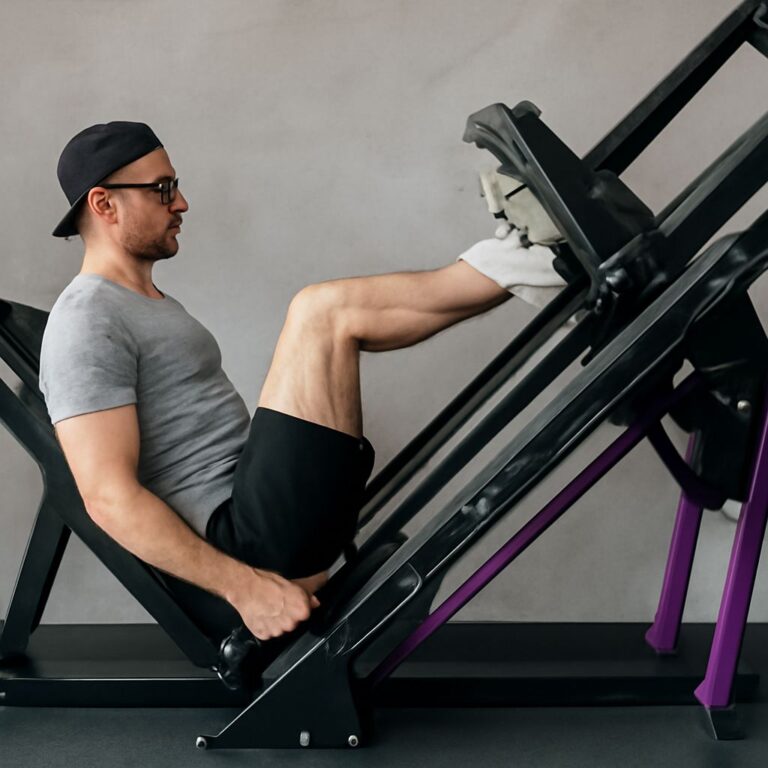
- External weights: Dumbbells, kettlebells, and weight machines provide an adjustable load. For a simple curl, hold a light dumbbell at your side, bend your elbow to lift it, and lower it with control. Machines can guide the path of movement; free weights require you to guide it yourself.
You do not need all three options for a resistance workout. Choose equipment you can set up safely and adjust in small steps. A chair squat and a wall push-up may be enough to learn the basic movements before adding a band or weights.
Put Together a Manageable Session
Begin with a few minutes of easy movement, such as walking or marching in place. Then choose movements that cover the legs, hips, upper-body pushing and pulling, and trunk. For example, pair chair squats with wall push-ups, a seated band row, and a short plank against a countertop. A higher support makes the plank easier to hold than the floor.
Start with one set of about 8 to 12 controlled repetitions for each moving exercise. Rest between exercises long enough to regain control of your breathing. For the plank, hold only as long as you can maintain a steady position and breathe normally. The CDC describes one set of 8 to 12 repetitions as a starting structure and recommends activities that work all major muscle groups.
Select a difficulty that makes the final repetitions feel challenging while you can still move smoothly. If you must jerk the weight, lose your position, or hold your breath, reduce the load or make the movement easier. Exhale during the harder part and breathe in as you return. Stop an exercise that causes sharp pain and seek appropriate advice if it persists.
Make Progress Gradually
In resistance training workouts, repeat the same basic movements long enough to learn them. Record the variation, load, and repetitions so you can tell when a set is becoming easier. Once you can complete your chosen repetitions with steady technique and have room for more, change one variable: add a small amount of weight, use a more challenging band, or make the body-weight variation harder.
For example, move from a wall push-up to one against a stable countertop, then work at that height until you can control the movement. With a dumbbell, choose the next manageable weight and accept fewer repetitions initially. Keep the return phase controlled and allow recovery between challenging sessions.
Plan resistance workouts around your week. The CDC recommends muscle-strengthening activity on at least two days weekly, covering all major muscle groups. Workouts using resistance training can be combined with walking, cycling, or yoga; leave time between demanding sessions for the muscles you worked to recover.
How Soon Should You Increase the Load?
Increase it when the current set feels manageable through the full range and you can finish with control. If the next step changes your technique, return to the previous level and build more comfortable repetitions before trying again.