Many people assume that yoga is only for the flexible and the young, thinking it involves twisting into difficult positions. However, yoga is a versatile practice that can be tailored to suit different needs, even for those suffering from spinal stenosis. Spinal stenosis, a condition that causes narrowing of the spaces within the spine, can lead to significant discomfort. Fortunately, therapeutic yoga offers a potential path to relief, providing gentle stretches and strengthening exercises that can alleviate some of the symptoms associated with spinal stenosis.
Dispelling the myth that yoga is inaccessible, it is crucial to understand how this ancient practice can be modified to serve diverse populations. For those dealing with spinal stenosis, specific yoga poses can be particularly beneficial, offering a safe and effective way to manage pain and improve mobility. Let’s explore how yoga can be an integral part of managing spinal stenosis.
Understanding Spinal Stenosis
Spinal stenosis occurs when the spaces in the spine narrow, putting pressure on the spinal cord and nerves. This condition can lead to symptoms such as pain, numbness, and weakness, often affecting the lower back and legs. While spinal stenosis is commonly associated with aging, it can also be caused by conditions like arthritis or injuries that affect the spine.
Recognizing the symptoms of spinal stenosis early is crucial for managing the condition effectively. Common signs include a feeling of heaviness in the legs, cramping, and discomfort while walking or standing for prolonged periods. A well-structured yoga practice can help manage these symptoms, offering both physical and mental benefits.
Benefits of Yoga for Spinal Stenosis
Yoga provides numerous benefits for individuals with spinal stenosis. Primarily, it helps in improving flexibility and strength, which are critical for supporting the spine. By engaging in regular yoga sessions, individuals can experience reduced pain and increased mobility. Moreover, yoga emphasizes breathing techniques and mindfulness, which can aid in managing the stress and anxiety often associated with chronic pain conditions.
Another benefit of yoga is its ability to improve posture. Poor posture can exacerbate the symptoms of spinal stenosis, but yoga poses promote alignment and balance, helping to distribute weight evenly across the spine. This can alleviate some of the pressure and discomfort associated with the condition.
Effective Yoga Poses
Cat-Cow Stretch
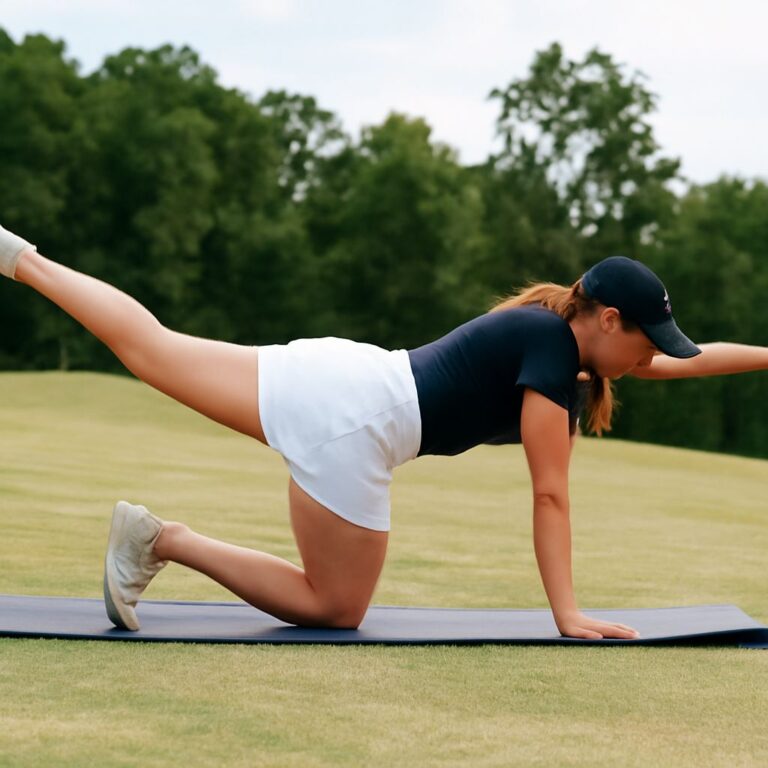
The Cat-Cow stretch is a gentle flow between two poses that warms the body and brings flexibility to the spine. To perform this stretch, start on your hands and knees. Inhale as you drop your belly towards the mat, lifting your head and tailbone upwards. Exhale as you arch your back, pulling your belly button towards the spine and tucking your chin. This stretch mobilizes the spine and helps relieve tension in the back muscles.
Child’s Pose
Child’s Pose is a resting position that promotes relaxation and mild spinal decompression. Begin by kneeling on the floor, sitting on your heels. Bend forward, extending your arms in front of you, and rest your forehead on the mat. This pose gently stretches the lower back and can be held for several breaths to encourage relaxation.
Seated Forward Bend
The Seated Forward Bend is a calming pose that stretches the spine and hamstrings. Sit with your legs extended in front of you, toes pointing upwards. Inhale deeply, then exhale as you hinge from the hips, reaching towards your feet. Keep your spine long, and breathe deeply into the stretch. This pose should be performed carefully to avoid straining the back.
Safety Tips and Precautions
While yoga can be beneficial for managing spinal stenosis, it’s essential to practice safely. Always consult with a healthcare provider before starting any new exercise regimen, especially if you have spinal issues. Consider working with a qualified yoga instructor who has experience in therapeutic yoga for spinal conditions.
Listen to your body and avoid any poses that cause pain or discomfort. Use props such as blocks or straps to assist with certain poses, and modify movements as needed. Lastly, progress slowly and be patient with your body, allowing time for improvement in flexibility and strength.
Next steps: To integrate yoga into your routine for spinal stenosis management, start with short, consistent sessions. Gradually increase the duration and intensity as you become more comfortable. Regular practice, combined with mindful breathing and gentle stretching, can enhance your quality of life and offer relief from the symptoms of spinal stenosis.