Many people believe that yoga is primarily an adult activity, overlooking the potential benefits of yoga for children. Yet, incorporating K1 into kids’ routines can significantly enhance their physical and mental well-being. This myth-busting journey reveals how children practicing yoga are not just expanding their physical capabilities but are also nurturing their emotional health. In this article, we will explore why kids doing yoga is an empowering practice for every young individual.
Introduction to Yoga for Children
Yoga for children is not merely about bending and stretching. It is a holistic approach to fostering a child’s growth, focusing on harmony between mind, body, and spirit. As children engage in yoga, they learn to be present, enhancing their concentration and mindfulness. This ancient practice, tailored to the needs of the young, introduces them to a lifelong journey of self-discovery and well-being.
Benefits of Kids Doing Yoga
The advantages of K1 for young ones are plentiful. Firstly, it supports physical development by improving strength, flexibility, and balance. When kids participate in yoga, they gain better coordination, which is crucial during their formative years. Moreover, yoga aids in emotional regulation. Children practicing these exercises learn to identify and manage their feelings, leading to improved mood and reduced anxiety.
Yoga also contributes to better mental focus. As kids engage in mindful breathing and movement, they hone their ability to concentrate, a skill that carries over into academics and other areas of life. Furthermore, yoga fosters a sense of community and cooperation, as many poses and practices encourage social interaction and teamwork.
How to Introduce K1
Create a Fun Environment
Making yoga enjoyable is key to maintaining a child’s interest. Turn sessions into playful experiences with colorful mats, engaging music, and props that spark their imagination. The goal is to create an atmosphere where children feel free to express themselves and explore new poses without fear of judgment.
Start with Simple Poses
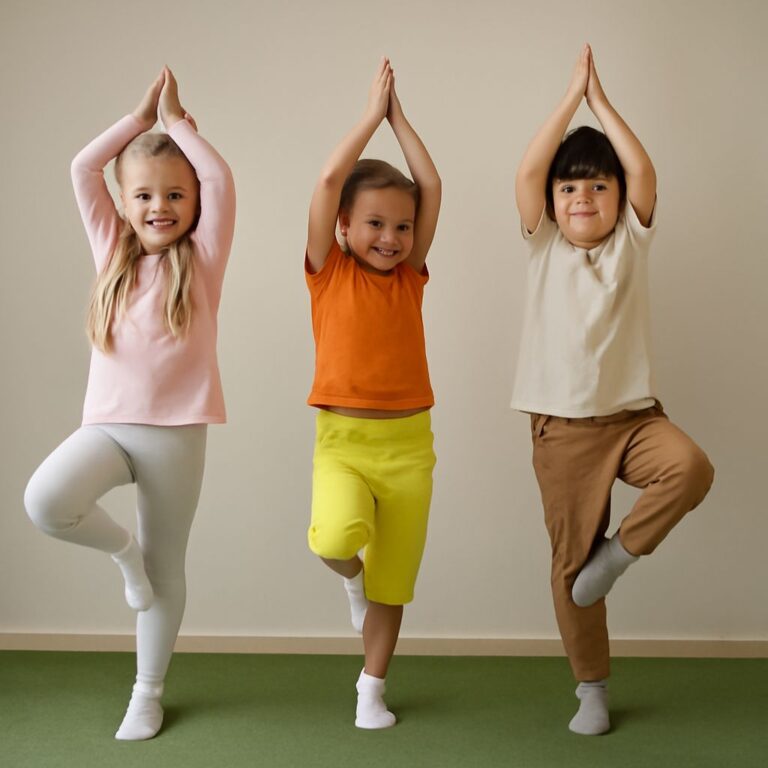
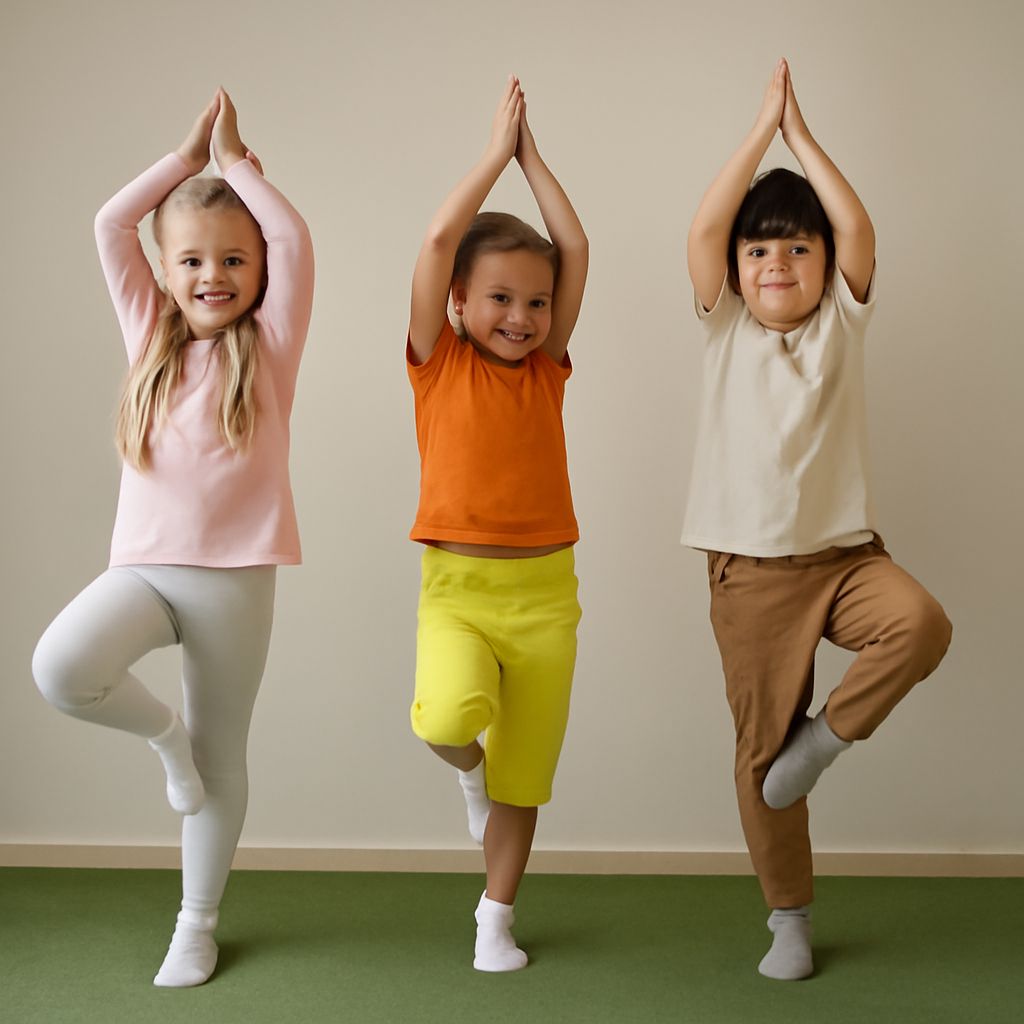
Introduce basic poses that are easy for children to master. Simple postures such as the tree pose or cat-cow stretch help build a foundation without overwhelming them. Gradual progress keeps kids motivated and ensures that yoga remains a positive experience.
Incorporate Storytelling
Engage children’s creativity by weaving stories into the practice. Narratives that involve animals or adventures can make poses more relatable and fun. For example, a story about a journey through a jungle can include poses like the cobra, lion, and butterfly, each representing different parts of the tale.
Safety Tips for K2
Safety is paramount when introducing yoga to children. Ensure that the practice area is free from obstacles and that the surface is comfortable to prevent injuries. It’s essential to supervise children closely, watching for signs of strain or discomfort. Encourage them to listen to their bodies and rest if needed.
Additionally, it’s important to keep sessions age-appropriate. Younger children may have shorter attention spans, so brief, engaging sessions are ideal. As they grow older and more experienced, the complexity and duration of practice can gradually increase.
Resources for Parents and Teachers
Parents and educators looking to integrate yoga into children’s routines can find a wealth of resources. Books, online tutorials, and local classes provide guidance and inspiration for creating effective and fun yoga sessions. Many communities offer child-focused yoga classes, allowing kids to practice in a group setting under the guidance of experienced instructors.
Digital platforms also offer a variety of kid-friendly yoga videos and apps that make yoga accessible at home or in the classroom. These resources can serve as an excellent starting point for those new to teaching yoga to children.
Bottom line: Yoga for children, through K1, brings transformative benefits, enhancing their physical, mental, and emotional health. By creating a safe and engaging environment, parents and teachers can guide kids in cultivating a practice that they can carry with them throughout their lives.